
24/7 Customer Support

Free returns

Same-day & Next-day Delivery

Quality Guaranteed

Unlock Your Welcome Offers: FREE Delivery | Up to 80% OFF | Free 30-day JoyPlus trial
Download the APP
Tinned tomatoes are a dependable cupboard staple for UK households, but choosing the right tin is not always straightforward. Labels may highlight Italian sourcing, “rich” tomato juice or family-sized value packs while leaving the details that affect cooking results less prominent.
Before adding tinned tomatoes to your basket, watch for three common purchasing traps:
The tomato style influences preparation time and the final consistency.
If you regularly prepare smooth soups or quick pasta dishes, chopped or finely chopped tomatoes can save preparation time. For a slow-cooked ragù or rustic Italian sauce, peeled plum tomatoes offer greater flexibility.
For everyday tomato-based cooking ingredients, a short ingredient list is often easier to assess. Common additions include:
Citric acid is used to regulate acidity and maintain consistency; it is not the same as a flavouring or sauce ingredient. Check the tomato percentage, especially when comparing products for regular family cooking or catering.
Dietary suitability should also be confirmed from the label. Several plain tinned tomatoes listed here have no declared allergens, while sun-dried tomato pesto may contain milk, cashew nuts, other nuts, soya or sulphites. “Vegan tinned tomatoes” and vegan tomato pesto are not interchangeable categories, so read the full ingredients and allergen statement before serving.
A standard 400g tin is convenient for many two- to four-person recipes, although the exact number of portions depends on the dish and other ingredients. Smaller households may prefer individual tins, while meal planners, caterers and restaurants may find bulk tinned tomatoes more practical.
After opening, transfer unused tomatoes to a non-metallic, airtight container, refrigerate and follow the product label’s consumption guidance. Many products recommend using them within two days, while some Mutti products specify up to five days. Always follow the packaging for the item purchased.
Store unopened cans in a cool, dry place away from direct sunlight. Do not use packaging that is damaged, leaking or unusually swollen.
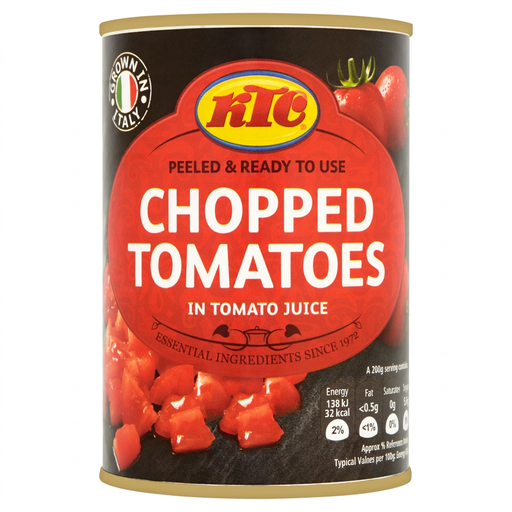
Why This Fits Their Persona: A single 400g tin suits students, smaller households and occasional cooks who want a practical amount without committing to a multipack.
The product information identifies it as chopped and ready to use, with tomatoes, tomato juice and citric acid listed as ingredients.
400g format; listed as grown in Italy; suitable for vegetarians.
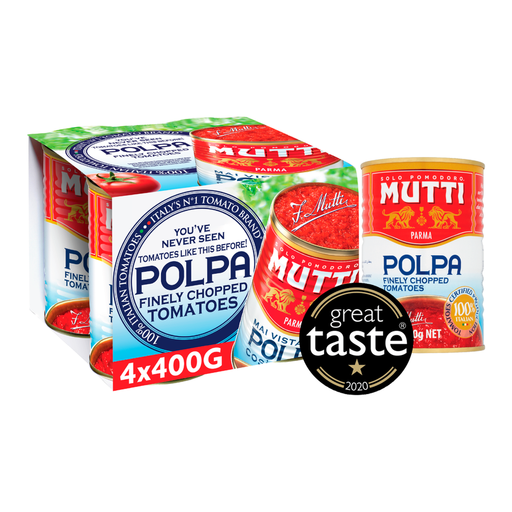
Why This Fits Their Persona: Suitable for cooks who want finely diced texture for sauces, pizza, fish dishes or recipes involving longer cooking times.
Its listed ingredients are tomato and salt, with finely chopped pieces designed for direct cooking or selected uncooked recipes.
Four 400g tins; country of origin listed as Italy; suitable for hot or uncooked recipes.
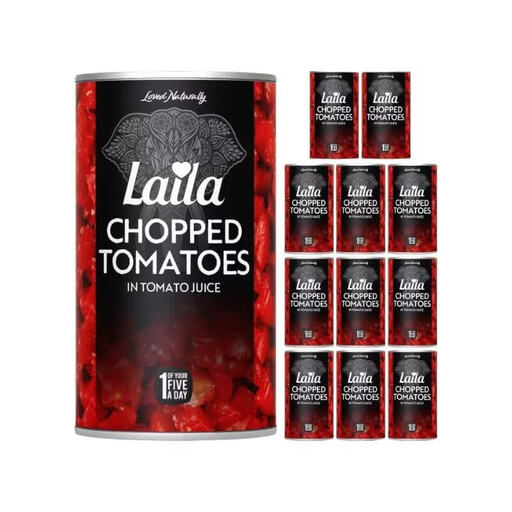
Why This Fits Their Persona: A 12-pack is suited to meal planners, large families, frequent cooks and small catering operations that use tomato sauce bases regularly.
The pack size is clearly stated as 12 x 400g, making the total quantity easier to compare with smaller multipacks and individual tins.
Chopped format; packed in tomato juice; suitable for vegan and vegetarian meal planning according to the supplied product information.
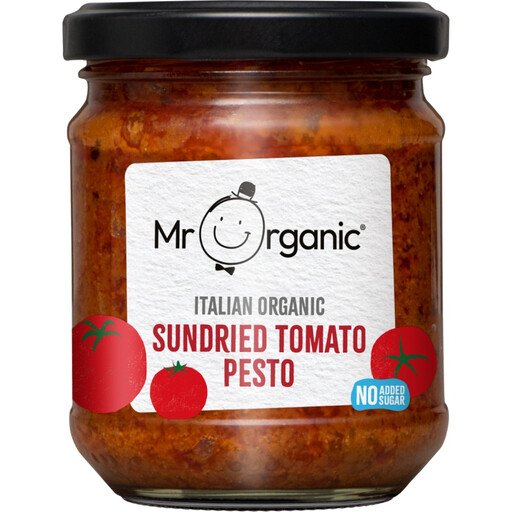
Why This Fits Their Persona: A practical option for vegan shoppers who want a ready-made tomato flavour boost for pasta, sandwiches, salads and quick lunches.
The product information identifies it as suitable for vegans and clearly declares soya, with possible traces of nuts, celery and peanuts.
190g jar; organic ingredients are identified; contains 28% rehydrated sun-dried tomatoes.
We have compiled a complete, real-time list of products that fully satisfy these strict selection criteria and UK safety regulations.
Plain tinned tomatoes are often suitable for vegan and vegetarian recipes, but check the current packaging for ingredients and allergen information. Tomato pesto is different: traditional versions may contain cheese, while some alternatives use tofu or other plant-based ingredients.
Follow the specific label. Several products in this range advise transferring the contents to a covered, non-metallic container, refrigerating and consuming within two days. Some products state a longer period, so the packaging for your selected tin takes priority.
They can offer a more convenient cost per tin when used regularly, but compare the price per 400g rather than the headline pack price. Bulk purchases make practical sense when you have suitable dry storage and can use the tins before their best-before dates.