Carers preparing meals with a salt target
If a recipient has been advised to manage salt intake, a labelled tomato base makes it easier to account for the amount used. Stock, sauces and other ingredients still count towards the finished meal.


For a salt-first tomato base, compare the salt declared per 100g rather than relying on a brand name or a “plain” description. ASDA Chopped Tomatoes declares 0.01g per 100g, while Sainsbury's 227g chopped tomatoes declare 0.07g per 100g and offer a smaller portion. Choose for the recipient's meal plan, not on the assumption that everyone receiving meal support needs a restricted diet; the other ingredients determine the finished meal's salt content too.
If a recipient has been advised to manage salt intake, a labelled tomato base makes it easier to account for the amount used. Stock, sauces and other ingredients still count towards the finished meal.
A manageable portion and the person's overall meal requirements matter alongside the tomato label. As the British Dietetic Association notes, older age alone does not mean salt needs differ from those of younger adults.
A 227g tin may leave less to store than a 400g tin. Sainsbury's says unused contents of its 227g chopped tomatoes should be refrigerated and used within two days.
Start with the recipient's meal requirements, then compare salt per 100g, the quantity the recipe uses and the tin size.
| Priority | What to check | Your needs |
|---|---|---|
| Salt in the tomatoes | Compare the current label per 100g, then use the amount going into the recipe. ASDA Chopped Tomatoes declare 0.01g per 100g; Sainsbury's 227g chopped tomatoes declare 0.07g per 100g. | I'm choosing a tomato base for a meal with a salt target, so the amount used matters as much as the figure on the tin. |
| The whole recipe | Check stock, gravy, sauces and other additions as well as the tomatoes. The NHS advises that its adult daily salt limit of 6g includes salt already in food and salt added during cooking or at the table. | A lower-salt tomato tin won't answer my question if the rest of the meal adds substantially to its salt content. |
| Individual requirements | Check the recipient's documented meal requirements, including any ingredient restrictions or required texture. A salt figure alone cannot establish that a meal meets them. | I need the tomato format and finished dish to fit the person receiving the meal, rather than applying one rule to everyone. |
| Portions and leftovers | Match a 227g or 400g tin to the portions being cooked. Follow that product's instructions for storing and using opened contents. | For one portion, I'd rather choose a tin size I can use than open more tomatoes than the recipe needs. |
Salt from stock, gravy, sauces and other additions also counts. The NHS adult guidance covers salt in food as well as salt added during cooking and at the table.
Use the tin's per-100g figure and the quantity added, then check the other ingredients in the complete recipe.
A tomato base with less declared salt does not by itself address a recipient's other documented requirements or preferences.
Check the person's care plan or relevant professional advice before deciding whether the finished meal is suitable.
Labels can differ between tomato products. ASDA's chopped tomatoes declare 0.01g salt per 100g, while Napolina declares 0.10g per 100g for its chopped tomatoes.
Compare the current pack labels per 100g, including when switching between products from the same brand.
A smaller tin may better match one meal, while an opened larger tin needs to be handled according to its storage instructions.
Choose a size you can use for the planned portions and check the opened-tin directions before preparing meals ahead.
ASDA Chopped Tomatoes are a plain 400g tomato-base option.
Tesco lists chopped tomatoes in both Everyday Value and Italian ranges.
Sainsbury's lists plain chopped tomatoes in a smaller 227g tin as well as a 400g can.
Napolina describes its chopped tomatoes as chunky, a texture consideration for sauces.
Mutti sells different tomato formats; check the precise product rather than applying one label value across the brand.
M&S describes its Italian chopped tomatoes as preserved in tomato juice.
These options include chopped tomatoes for cooking several meals and whole peeled tomatoes where that format works for the recipe. Check each current pack's salt label and the recipient's meal requirements before choosing.
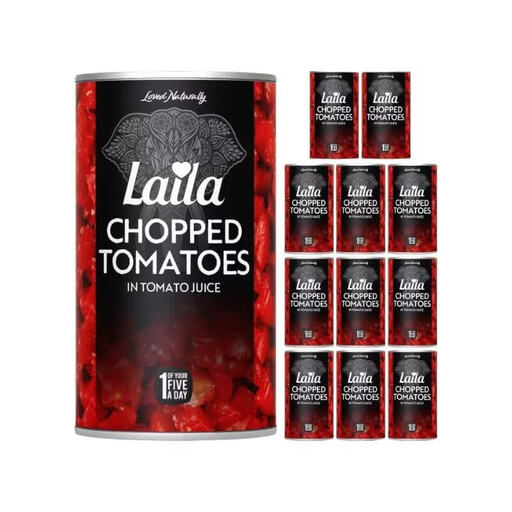 Image unavailable
The 12 x 400g pack suits plans that call for several tins of chopped tomatoes. Check the salt per 100g on the current cans and include the amount used when planning each meal.
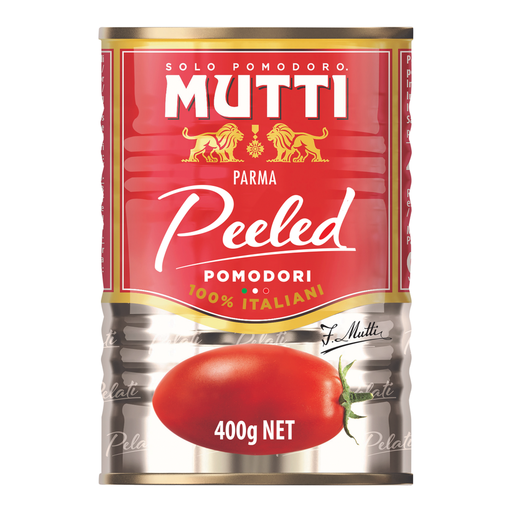 Image unavailable
This 400g tin is an option when whole peeled tomatoes work for the recipe rather than chopped tomatoes. Check its own salt label; figures for Mutti's finely chopped product do not describe this tin.
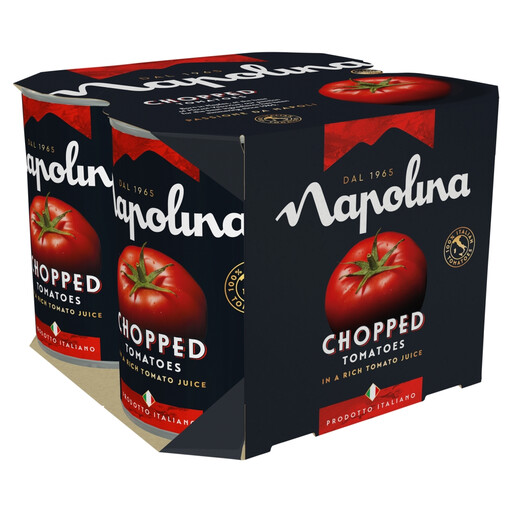 Image unavailable
Four 400g tins provide chopped tomatoes for recipes needing several cans. Napolina declares 0.10g salt per 100g for its chopped tomatoes; check the current pack and the amount used in each meal.
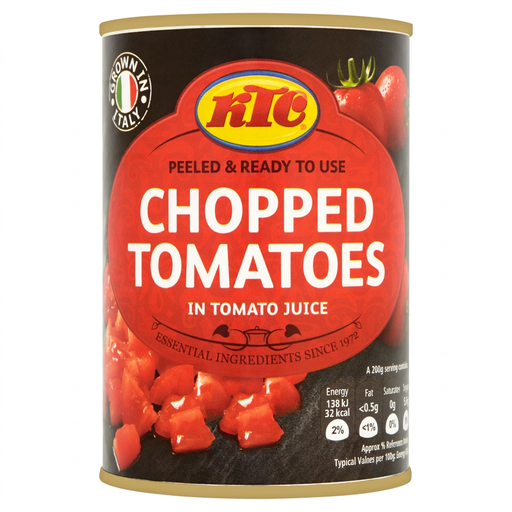 Image unavailable
This single 400g tin suits a recipe calling for chopped tomatoes. Read the current pack for its salt per 100g and instructions for any contents left after opening.
No: receiving meal support or being older does not, by itself, establish an individual salt restriction. The British Dietetic Association says older adults' salt needs are likely to remain the same as those of younger adults; follow the recipient's documented meal requirements and relevant professional advice.
Read the salt value per 100g and calculate it for the quantity used. ASDA Chopped Tomatoes declare 0.01g per 100g and 0.03g per half can; check stock, sauces and other ingredients separately before judging the whole meal.
No. Compare the current nutrition panels per 100g: Tesco's Everyday Value Chopped Tomatoes declare less than 0.01g, while its Italian Chopped Tomatoes declare 0.09g. The product description cannot replace its salt figure.
Follow that tin's storage instructions. Sainsbury's instructs users of its 227g chopped tomatoes to refrigerate opened contents and use them within two days; choosing a smaller tin may avoid leftovers for a one-person recipe.