Parents cooking lunches ahead
A tin can become the base of a pasta sauce, soup or casserole prepared for school days. Choose the format for the recipe, then plan how the finished food will be stored and transported.


Choose tinned tomatoes for a cooked sauce, soup or casserole component, rather than treating a tin as the packed-lunch main item. A single tin suits occasional cooking, while a multipack makes sense if you will use several cans; finely chopped tomatoes suit a less chunky sauce. Keep prepared food that normally needs refrigeration cold on its way to school.
A tin can become the base of a pasta sauce, soup or casserole prepared for school days. Choose the format for the recipe, then plan how the finished food will be stored and transported.
Single 400g tins limit cupboard commitment for occasional recipes. A multipack suits repeated cooking when the sealed cans will be used; consider whether a smaller recipe will leave opened contents to store.
Standard chopped tomatoes leave more distinct pieces in a cooked dish. Tesco describes Mutti Polpa as finely chopped pulp and juice, an option when a less chunky base suits the recipe.
Start with the dish and its texture, then choose a quantity you will use and check how the finished lunch needs to travel.
| Priority | What to check | Your needs |
|---|---|---|
| Lunch dish | Choose a tomato format for a cooked sauce, soup or casserole. Plan the other parts of the lunch separately; NHS lunchbox guidance suggests foods such as bread, rice, pasta or potatoes for the main item. | I’m making a tomato-based component, not packing the tin as the whole lunch. |
| Quantity | Check whether one 400g tin fits the recipe or whether several sealed cans will be used. Read the particular tin’s instructions for storing opened contents. | For occasional cooking, I’d rather buy one tin; for repeated recipes, I can use a multipack. |
| Texture | Compare standard chopped tomatoes with a finely chopped pulp, or choose plum tomatoes if the recipe allows you to crush or blend them. | A less chunky cooked sauce may work better for this lunch; otherwise visible tomato pieces are fine. |
| Storage and transport | Follow the product’s opened-can label. For prepared food normally kept in the fridge, Food Standards Scotland advises a cool bag with ice or frozen gel packs during transport. | The meal needs to stay cool between leaving home and lunchtime; I’ll check the school’s storage arrangements too. |
Chopped tomatoes can form part of a cooked dish, but a tin alone does not replace the main lunchbox item described in NHS guidance.
Choose the tomatoes for a specific recipe and plan the rest of the packed lunch alongside it.
A multipack leaves more sealed cans in the cupboard if tomato-based dishes are only occasional.
Count the cans you expect to use and choose a single tin or multipack accordingly.
A prepared dish containing ingredients normally kept refrigerated needs to stay cool during transport. Food Standards Scotland recommends a cool bag with ice or frozen gel packs for such food.
Refrigerate the prepared lunch until departure and check what storage is available at school.
Opened-can directions vary: Sainsbury’s specifies refrigeration and use within two days for its chopped tomatoes, while M&S specifies transfer to a non-metallic container, refrigeration and use within three days for its chopped Italian tomatoes.
Check the tin you buy for its ingredients and exact storage directions before preparing the lunch.
Tesco Italian Chopped Tomatoes are a 400g tomato-in-juice option for cooked sauces and similar dishes.
Sainsbury’s Chopped Tomatoes are a single 400g tin for preparing a tomato-based dish.
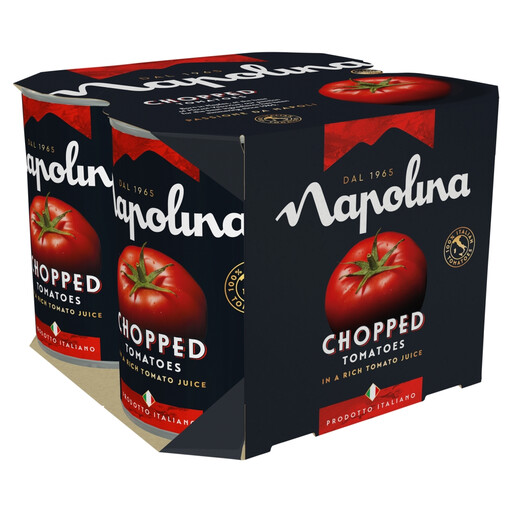
Napolina Chopped Tomatoes come in a 4 x 400g pack suited to recipes that call for several tins over time.
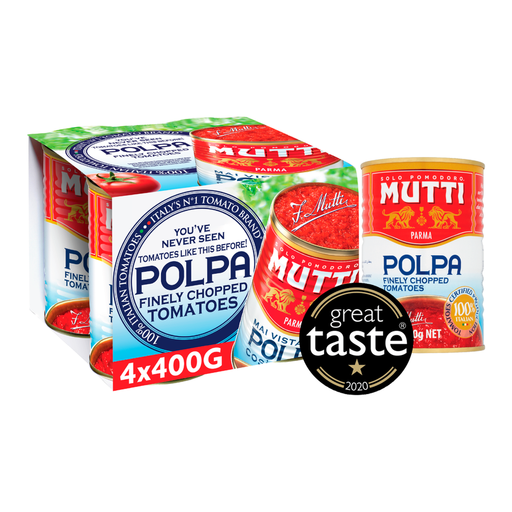
Mutti Polpa is described by Tesco as finely chopped tomato pulp and juice for dishes such as pasta sauce.
M&S Chopped Italian Tomatoes are a 400g chopped-tomato option for cooked recipes.
These tins offer chopped, finely chopped and peeled plum tomatoes for cooking packed-lunch components. Choose between single cans and multipacks according to the recipes you plan to make.
 No image available
Four chopped-tomato tins suit repeated sauce or soup preparation when you will use the sealed cans. Tesco lists tomatoes and citric acid as ingredients for this pack; follow its label for opened-can storage.
 No image available
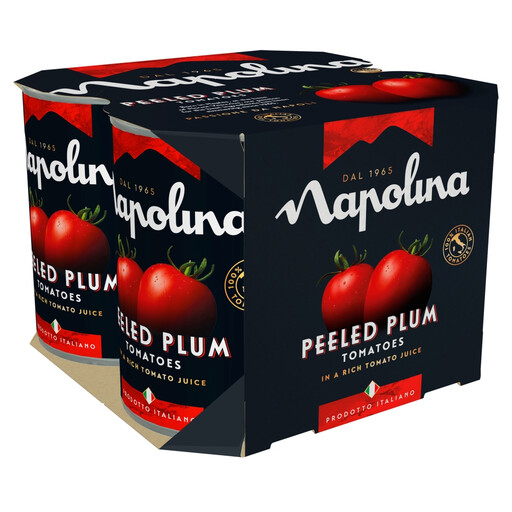
This four-tin pack offers peeled plum tomatoes rather than pre-chopped tomatoes. For a finer cooked sauce, plan to crush or blend the tomatoes and check the pack’s directions for storing opened contents.
 No image available
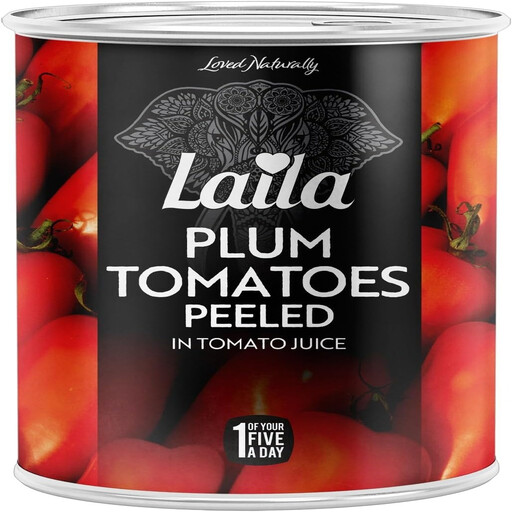
A single 400g tin suits a recipe that does not call for a multipack. These are plum tomatoes, so crush or blend them if the cooked dish needs a finer texture; check the label before storing leftovers.
 No image available
The finely chopped format suits a cooked sauce where you want less distinct tomato pieces. This is a four-tin pack for repeated cooking; check its current ingredient and opened-can storage labels.
 No image available
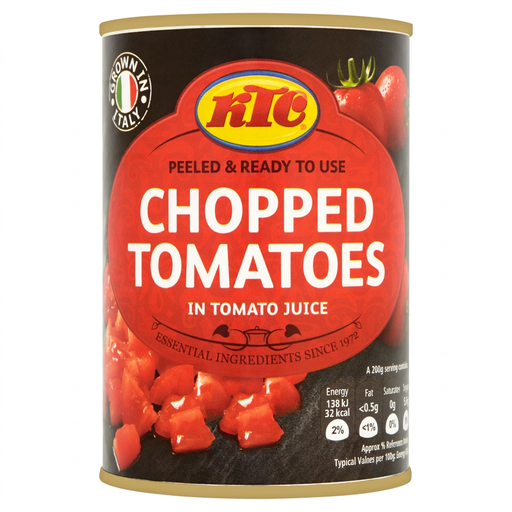
A single chopped-tomato tin can form the base of a cooked sauce or soup without committing to several cans. Read its pack label for ingredients and instructions before storing any opened contents.
Use chopped tomatoes as an ingredient in a prepared dish rather than treating a tin as the whole lunch. NHS lunchbox guidance suggests basing the main item on foods such as bread, rice, pasta or potatoes; a cooked tomato sauce can accompany one of those foods.
Keep prepared food that normally needs refrigeration cool on the journey to school. Food Standards Scotland advises using a cool bag with ice or frozen gel packs for refrigerated food taken away from home; also check the school’s storage arrangements.
Follow the instructions on the particular tin. Sainsbury’s says to transfer its chopped tomatoes to a non-metallic container, refrigerate and use within two days; M&S gives a three-day refrigerated period for its chopped Italian tomatoes after transfer to a non-metallic container.
Yes, especially when ingredients or allergens matter to the lunch you are making. Check the current pack before preparation, and use that product’s directions for storing opened contents.