Roast cooks avoiding added sugar
If you want a plain tomato base for a sauce, gravy or braising liquid, the ingredients list matters as well as the total-sugars figure. The NHS distinguishes sugars naturally present in vegetables from free sugars.


A plain tin does not need to show zero sugars to be a choice without added sugar: the total-sugars figure can include sugars naturally present in tomatoes. For a Sunday roast sauce, check the ingredients for added sugar, then choose chopped tomatoes for pieces, finely crushed tomatoes for a smoother base, or whole peeled tomatoes if you want to control the texture yourself. Compare sugars and salt per 100g on the exact tins you are considering.
If you want a plain tomato base for a sauce, gravy or braising liquid, the ingredients list matters as well as the total-sugars figure. The NHS distinguishes sugars naturally present in vegetables from free sugars.
Chopped, finely crushed and whole peeled tomatoes give you different starting textures. Choose according to whether you want pieces in the finished sauce or plan to crush or blend the tomatoes.
If the roast recipe uses less than a full tin, check that product’s instructions for transferring, refrigerating and using the remainder after opening.
Start with the ingredients and the texture your recipe calls for. Then compare the nutrition panels on the exact products and check the storage instructions if you expect leftovers.
| Priority | What to check | Your needs |
|---|---|---|
| Added sugar | Read the ingredients for sugar or syrup. Read the per-100g total-sugars figure alongside them: it does not identify added sugar on its own. The NHS distinguishes naturally occurring vegetable sugars from free sugars. | I want a plain tomato base without assuming that any sugars shown on the nutrition panel were added. |
| Sauce texture | Choose chopped tomatoes for pieces or finely crushed tomatoes for a finer starting texture. Whole peeled tomatoes can be crushed or blended to control the finish. | For a sauce with visible tomato pieces, I would start with chopped tomatoes; for a smoother finish, I would choose a finer format or allow time to blend. |
| Salt | Compare salt per 100g on the exact tins, using the same basis as the sugars figures. Check the other ingredients going into the roast sauce before seasoning it. | If my sauce also uses stock or gravy products, I want to know what the tomatoes contribute before adding more seasoning. |
| Leftovers | Check the pack’s after-opening instructions, including whether to transfer the contents, how to refrigerate them and when to use them. | A partly used tin needs to fit my plans for another meal, so I will follow its own storage directions. |
A plain tomato tin can show sugars on its nutrition panel even when sugar is not named in its ingredients. The NHS distinguishes naturally occurring sugars in vegetables from free sugars.
Check the ingredients for added sugar or syrup, and use the per-100g panel to compare total sugars between tins.
Chopped tomatoes leave pieces to work with, while finely crushed tomatoes start with a finer texture. Whole peeled tomatoes need crushing, chopping or blending if you want an even sauce.
Decide on the finished texture before choosing a tin, and allow for any preparation the format requires.
Salt in the tomatoes also becomes part of a sauce made with stock, gravy products or other seasoned ingredients.
Compare salt per 100g on the exact labels and taste the sauce before adding further seasoning.
After-opening instructions differ between products, so a familiar routine may not match the tin you have bought.
Follow that pack’s directions for transferring and refrigerating leftovers and for when to use them.
These examples show why the exact product label matters; a brand name alone does not establish the ingredients or nutrition of every tin in its range.
Its cited plain chopped and polpa products offer different starting textures for a roast sauce.
Mutti’s cited whole peeled tomatoes are a starting point for a sauce in which you want to crush or blend the tomatoes yourself.
Tesco’s own-label chopped tomatoes provide another product label to examine when choosing a plain tomato base.
Its cited Chopped Italian Tomatoes are another chopped-format reference for comparing ingredient lists.
These Joybuy options cover chopped, finely chopped and whole peeled tomatoes for a Sunday roast sauce. The format helps narrow the choice; use the exact pack label to check ingredients, nutrition and after-opening instructions.
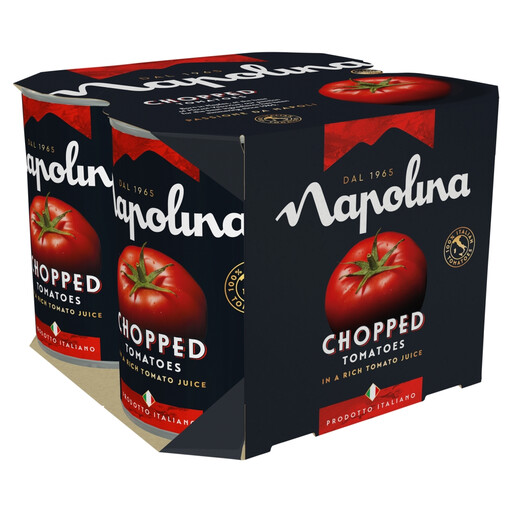 No image available
The chopped format suits a roast sauce in which you want tomato pieces, with blending available if you prefer a finer finish. Check the pack’s ingredients, per-100g sugars and salt, and after-opening directions.
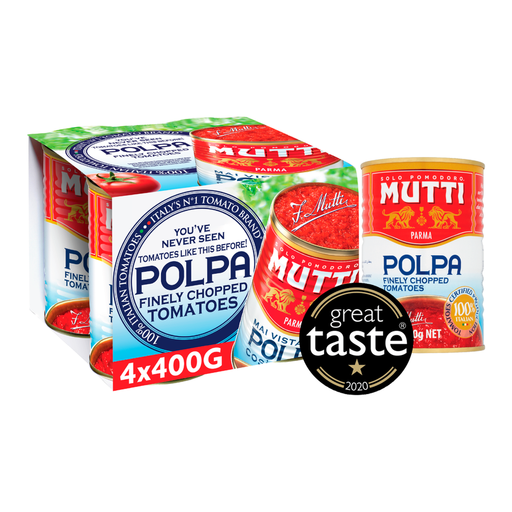 No image available
Consider finely chopped tomatoes when you want smaller pieces as the starting point for a roast sauce. Check the exact pack’s ingredients and per-100g salt as well as sugars, particularly if the sauce uses seasoned stock.
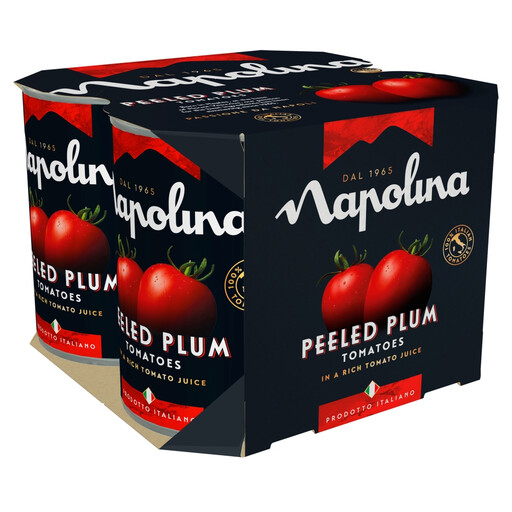 No image available
Whole peeled tomatoes let you decide how much to crush or blend for the finished sauce. Allow for that preparation and check the tin’s ingredients, nutrition and leftover-storage instructions.
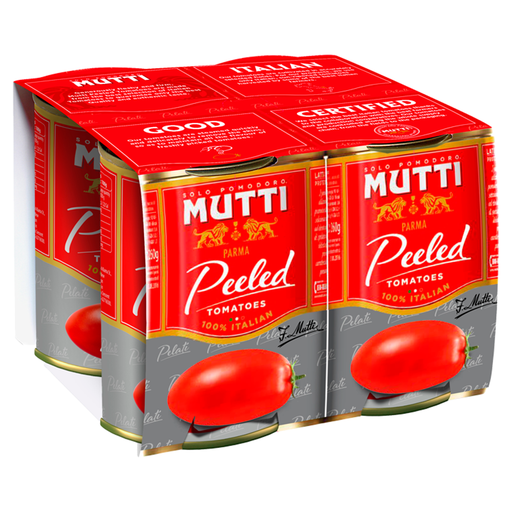 No image available
The whole peeled format suits a sauce in which you plan to crush or blend the tomatoes to your preferred texture. If allergies matter, check the current pack label before buying; product descriptions give conflicting allergen information.
 No image available
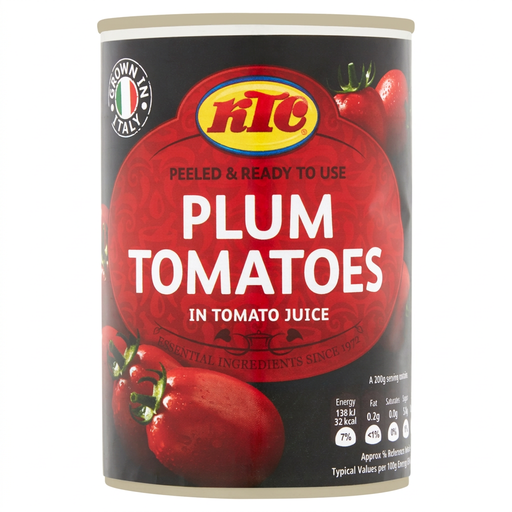
This single 400g tin is a whole peeled option when you want to control the texture by crushing or blending. Check its ingredients and per-100g nutrition, and follow the tin’s storage directions if any remains.
No. Total sugars alone cannot tell you whether sugar was added, because tomatoes contain naturally occurring sugars. The NHS distinguishes sugars naturally present in vegetables from free sugars; check the tin’s ingredients for added sugar or syrup.
Choose chopped tomatoes if you want pieces in the sauce, finely crushed tomatoes for a finer starting texture, or whole peeled tomatoes if you are happy to crush or blend them yourself. Check the exact product’s ingredients separately if avoiding added sugar is part of the decision.
Yes, compare total sugars per 100g on like products rather than comparing different serving sizes. The NHS explains the per-100g basis used on food labels, but the sugars figure does not by itself distinguish added sugar from sugars naturally present in tomatoes.
Follow the instructions on that product’s label for transferring, covering and refrigerating the remainder, and for when to use it. After-opening directions differ between the cited tomato products, so do not assume the same period applies to every tin.