
24/7 Customer Support

Free returns

Same-day & Next-day Delivery

Quality Guaranteed

Unlock Your Welcome Offers: FREE Delivery | Up to 80% OFF | Free 30-day JoyPlus trial
Download the APP
Tinned tomatoes are the unsung hero of the British pantry. From a quick pasta sauce on a Tuesday night to a slow-cooked weekend stew, they form the base of countless meals. But not all tins are created equal. Navigating the supermarket aisle can be confusing, and it is easy to end up with a product that disappoints.
Many of us have faced the same issues: opening a tin expecting rich, flavourful tomatoes only to find a watery liquid with a few sad-looking pieces floating about. Or perhaps you have paid a premium for a well-known brand, wondering if it was truly worth the extra cost. This guide cuts through the jargon to help you understand what really matters when selecting tinned tomatoes, ensuring you get the best value and flavour for your cooking.
Before we look at what makes a good tin, let’s identify the common traps that lead to a poor purchase:
To avoid these pitfalls, focus on a few key details on the packaging. These objective markers are far more telling than any marketing slogan.
The first decision is choosing the right format for your dish. Each has a distinct texture and purpose.
Check the ingredients list for the percentage of tomatoes. This is a direct indicator of quality and value. A higher percentage (typically 60% or more for chopped and plum varieties) means more fruit and less juice. For a premium product like Mutti tomatoes, this can be as high as 99.8%, indicating a very rich and concentrated product.
A short ingredients list is often a good sign. It should primarily contain tomatoes and tomato juice. Salt is common, as is an acidity regulator like citric acid, which helps preserve the colour and flavour. Be wary of tins with added sugar, starches or flavourings unless you are specifically buying a pre-made sauce.
For the richest flavour, look for tins that specify they contain 100% Italian tomatoes. Brands like Napolina tomatoes and Mutti often highlight this, as Italian-grown tomatoes are renowned for their balance of sweetness and acidity.
Based on these practical criteria, here are a few recommendations matched to different needs and budgets.
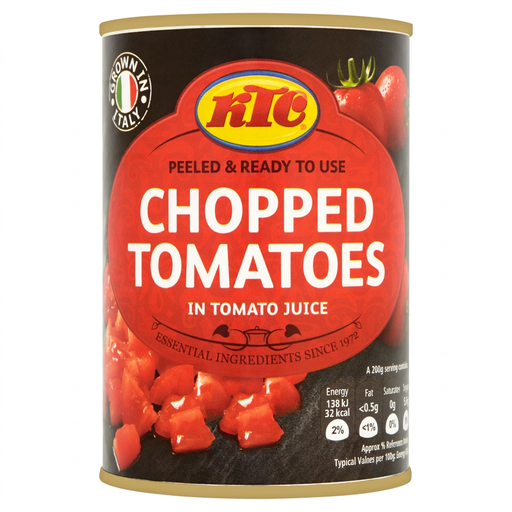
Why This Fits Their Persona: An excellent value-driven choice for everyday cooking. It provides a reliable base for stews, chillies and simple pasta sauces without stretching the weekly grocery budget.
This tin is transparent about its contents, stating a solid 60% tomato content. It avoids the premium brand markup, delivering exactly what it promises: a functional and affordable pantry staple.
Highly affordable and versatile. Suitable for vegetarians and grown in Italy, offering good fundamental quality for the price.
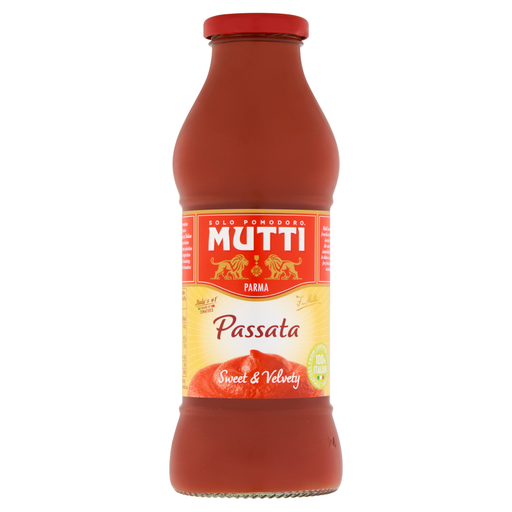
Why This Fits Their Persona: For the home cook who refuses to compromise on flavour. This passata is perfect for creating silky, rich sauces for pasta, pizza or soups where the pure taste of tomato is the star.
It completely sidesteps the "watery tin" trap with an exceptionally high 99.5% tomato content. The label clearly states "100% Italian - Certified Tomatoes and Production," guaranteeing authentic origin and quality.
Offers a smooth, creamy and seedless texture with an invitingly sweet flavour. GMO-free and made from tomatoes processed just hours after harvesting.
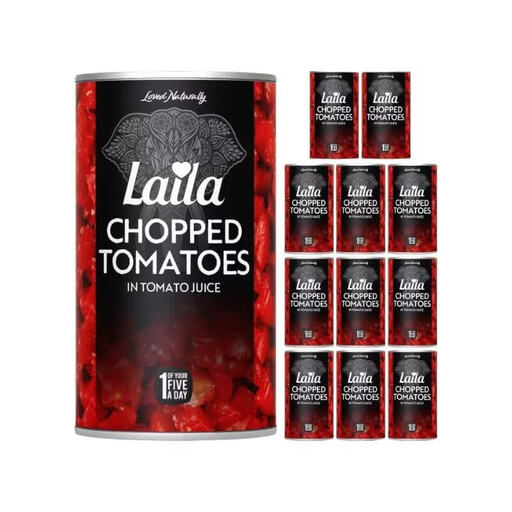
Why This Fits Their Persona: Perfect for those who cook frequently, have large families or run small catering businesses. Buying a tinned tomatoes multipack like this ensures the pantry is always stocked and reduces the cost per unit.
This bulk chopped tomatoes pack offers a consistent product at a lower cost-per-tin, directly countering the trap of overpaying for single, premium-branded tins. It provides predictable quality for large-batch cooking.
Excellent value for money and convenience. The tins are packed in Italy and contain a reliable 60% tomato content, making them a solid workhorse for any kitchen.
We have compiled a complete, real-time list of products that fully satisfy these strict selection criteria and UK safety regulations.
The main difference is texture and processing. Plum tomatoes are whole and offer the most versatility. Chopped tomatoes are pre-diced for convenience and add texture. Passata is sieved and smooth, ideal for creating uniform, velvety sauces without any skins or seeds.
It depends on the dish. For a simple soup or a long-simmered stew where other flavours dominate, an affordable tin is often perfectly adequate. However, for a classic Italian pasta sauce where the tomato is the main flavour, a premium tin with a high percentage of sun-ripened Italian tomatoes can make a noticeable difference in sweetness and depth.
Once a tin is opened, you should transfer any unused contents to a non-metallic, airtight container (like a glass jar or plastic tub). Store it in the refrigerator and aim to use it within two to three days. The acidic nature of tomatoes can react with the metal of the can once exposed to air.