Scratch-cooking shoppers
If you are willing to season and cook a tomato base, a tin gives you control over the finished sauce. Allow for any other ingredients you plan to add rather than treating the tin as a seasoned jar.


Choose tinned chopped tomatoes if you have time to season and cook a sauce: they are a base, not a finished pasta sauce. A seasoned jar removes some flavour-building steps, while a stir-in sauce may be quicker once the pasta is hot. For a weekday breakfast, weigh those steps against the portions you will use and each product’s opened-pack instructions.
If you are willing to season and cook a tomato base, a tin gives you control over the finished sauce. Allow for any other ingredients you plan to add rather than treating the tin as a seasoned jar.
If the pasta will already be cooked and hot, a stir-in sauce can avoid a separate sauce-heating step. Dolmio gives that instruction for its Tomato and Basil Stir-In pot; check the directions on any other product you choose.
If you are buying for someone with an allergy, or expect to use a pack over several meals, check the exact ingredients, allergen declaration and opened-pack instructions. The Food Standards Agency advises that vegan labelling is not a substitute for allergen labelling.
Decide whether you have time to make a sauce from a tomato base before comparing pack sizes and labels. A ready-made jar and a stir-in pot also have different preparation instructions.
| Concern | What to check | Who this matters to |
|---|---|---|
| Usable portions | Check the pack size and whether you have the ingredients and time to turn a tin into sauce. | If I make this breakfast regularly, I want a tomato base I can use across meals without overlooking the seasoning it needs. About 42% of consumers put this scratch-cooking need first. |
| Preparation steps | Distinguish a sauce that needs cooking from one intended to be stirred into hot pasta. | Before work or school, I need to keep the steps after cooking pasta to a minimum. For about 33% of consumers, that preparation need comes first. |
| Labels and storage | Read the exact pack’s ingredients, allergen information and instructions for use after opening. | When I am serving someone with an allergy or keeping leftovers, I need the pack instructions to guide my choice. Checking labels and storage is the primary need for about 25% of consumers. |
A tin is a cooking base, so it may leave you with more preparation than you planned for a weekday morning.
Choose it when you intend to add your own seasoning and cook the sauce. Choose a prepared sauce when fewer flavour-building steps matter more.
Allow time for cooking and for preparing any extra ingredients you choose to use.
A larger pack is useful only if its contents fit the meals you plan to make and you can follow its storage instructions after opening.
Check the amount you will use per meal and whether a multipack or a smaller pack suits that plan.
The Sainsbury’s listing for Napolina Chopped Tomatoes says to empty, cover and refrigerate the contents and use them within two days. Marks & Spencer gives a three-day instruction for its Chopped Italian Tomatoes after transfer and refrigeration.
Follow the instruction on the product you open, including any direction to transfer the contents from the tin.
The Food Standards Agency advises that vegan labelling alone should not be used as a substitute for allergen labelling.
If an allergy or food hypersensitivity matters, check the ingredients, declared allergens and precautionary allergen information on the exact pack.
Prepared pasta sauces with different cooking methods across the named products.
Chopped tomatoes for making a sauce rather than opening a finished, seasoned one.
Own-label chopped and finely chopped tomatoes in single tins and multipacks.
Tinned chopped tomatoes that Marks & Spencer describes as a base for pasta sauces.
These products cover chopped-tomato bases for cooking a sauce and prepared sauces for a weekday pasta breakfast. Check each pack’s directions before deciding how much morning preparation it requires.
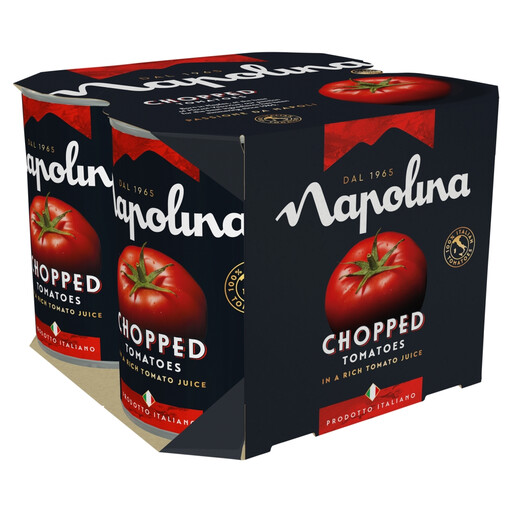 Image unavailable
For breakfasts where you can cook and season a tomato base rather than use a prepared sauce. The pack contains four 400 g tins; check the opened-tin directions when planning portions.
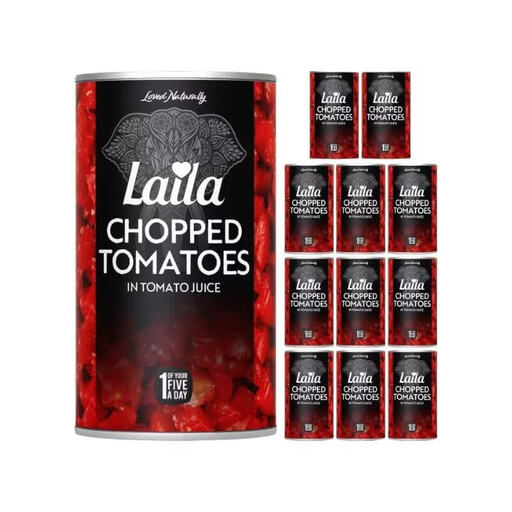 Image unavailable
For repeat scratch cooking when a multipack fits the meals you plan to make. These are twelve 400 g tins of chopped tomatoes, so allow for the preparation and seasoning of a finished sauce.
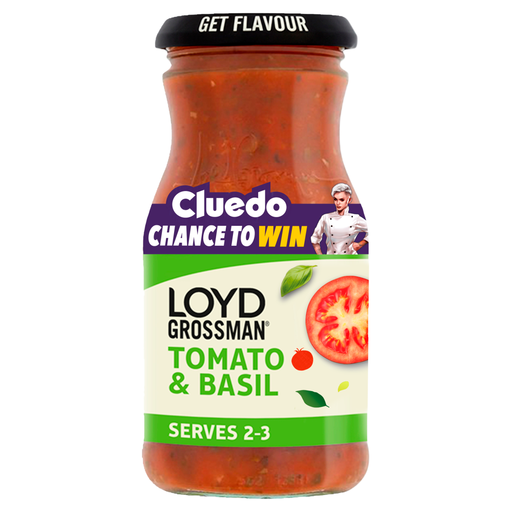 Image unavailable
For a tomato-and-basil sauce rather than a plain tomato base. Check the 350 g jar’s preparation and serving directions if the time available before breakfast is tight.
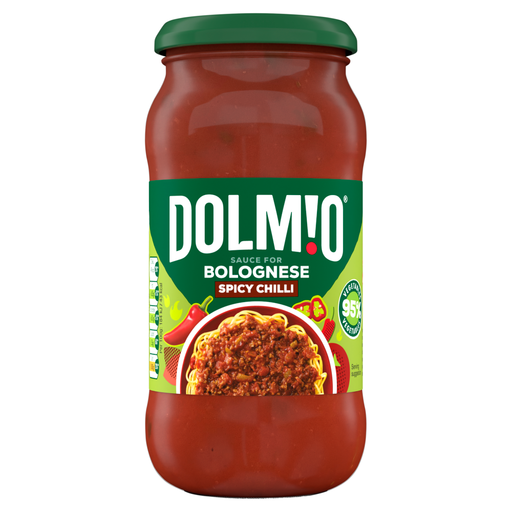 Image unavailable
For a prepared sauce if its spicy chilli flavour suits the meal. The product is a 450 g pasta sauce; follow this variant’s heating directions rather than assuming it can be stirred in without heating.
 Image unavailable
For a prepared tomato-and-cheese sauce rather than a tin to season yourself. This 350 g sauce needs heating before it is stirred into cooked pasta; its product information lists milk and egg allergens, so check the exact pack when buying for someone with an allergy.
No. They can form the base of one, but you may need to add seasoning and cook them to make the sauce you want. Marks & Spencer describes its tinned chopped tomatoes as a base for pasta sauces.
A stir-in sauce can involve fewer sauce-preparation steps once the pasta is hot. Dolmio instructs cooks to stir its Tomato and Basil Stir-In pot into hot pasta without heating it separately; its Original Bolognese jar has different cooking directions. Check the instructions for the exact product.
Follow the instruction on that tin. The Sainsbury’s listing for Napolina Chopped Tomatoes says to empty, cover and refrigerate the contents and use them within two days. Marks & Spencer gives a three-day instruction for its Chopped Italian Tomatoes after transfer and refrigeration.
No. The Food Standards Agency advises that vegan labelling alone is not a substitute for allergen labelling. Check the ingredients, allergen declaration and any precautionary allergen information on the exact pack.
Follow the product or recipe directions and heat it thoroughly until steaming hot throughout, as GOV.UK advises for cooked food. Before reheating, follow the sauce’s opened-pack storage instructions.