Bonfire Night meal planners
If you are preparing jacket potatoes, pasta bakes or sandwiches for several people, consider how much tuna the meal needs and whether separate tins would leave less to store afterwards.


For a Bonfire Night meal spread across several portions, spring-water tuna chunks in separate tins give you flexibility for jacket potatoes, pasta bakes or sandwiches. A larger tin makes more sense when you will use its contents promptly; choose a no-drain format when serving with little preparation matters most. Compare drained weight where stated, and check the exact pack for ingredients, fish allergen information and instructions after opening.
If you are preparing jacket potatoes, pasta bakes or sandwiches for several people, consider how much tuna the meal needs and whether separate tins would leave less to store afterwards.
If preparation space or time is limited, an explicitly labelled no-drain format may be easier to add to a quick topping or sandwich.
If packing liquid, salt, fish species, allergen information or sourcing statements guide your choice, compare the details on the exact product rather than assuming they apply across a brand’s range.
Decide how much tuna you need at one sitting before choosing between separate tins, a larger tin and a no-drain portion. Then check the product label for the details that matter to your household.
| Concern | What to check | Who this matters to |
|---|---|---|
| Portions for a group meal | Compare drained weight where stated and decide whether the meal calls for separate cans or one larger tin. | If I am making toppings or sandwiches for several people, I need enough tuna without opening more than I can use. For about 40% of consumers, portion planning is the primary concern. |
| Quick, low-mess serving | Look for an explicit no-drain statement and check whether the product contains chunks or steak. | When I need a topping before heading outdoors, I would rather not drain a tin. Roughly 30% of consumers put low-mess serving first. |
| Sourcing and product labels | Check the chosen pack for the particular certification, fishing-method or traceability statement you want. | If a sourcing statement determines which tuna I buy, I need it to apply to the can in my basket. That is the leading concern for about 20% of consumers. |
| Household and leftover checks | Read the fish allergen information, ingredients, salt value and instructions for storing unused contents. | For my household, I need to check the label and know how to handle any leftovers before choosing a tin. About 10% of consumers prioritise those checks. |
Liquid contributes to the weight shown on a tin. Tesco lists 4 x 10²g drained tuna for its 4 x 145g spring-water multipack, illustrating why the outer pack weight alone does not tell you how much tuna a meal will have.
Compare drained weights on the same basis where they are stated, then match the amount to your planned portions.
Instructions differ by product. Tesco’s spring-water multipack says to transfer unused contents to a non-metallic container, refrigerate them and consume them within two days.
Follow the directions on the tin you open, particularly if a larger can will leave tuna for another meal.
Opening more than you can use within the stated period can mean discarding the remainder.
Spring water identifies the packing liquid, not the salt value of every product in that format. Values also need the same per-100g or per-serving basis to be compared meaningfully.
Read the nutrition panel on each exact pack and compare like with like.
Certification, fishing-method and traceability statements can refer to different products or product lines; they are not interchangeable descriptions of a whole range.
Check the statement on the size, format and packing liquid you intend to buy.
John West offers a no-drain tuna steak fridge pot for shoppers who want a ready-to-serve format.
The Princes tuna range includes chunks and other serving formats, giving shoppers different ways to plan cupboard meals.
Tesco’s own-label spring-water tuna chunks offer separate tins for meals made on different occasions.
Sainsbury’s own-label range includes spring-water chunks in a multipack and a larger single-tin format.
Asda’s own-label spring-water chunks are a multipack option for comparing portions and labels.
M&S describes its spring-water tuna chunks using a stated fishing method and its Forever Fish policy.
These selections cover spring-water multipacks, a no-drain chunks multipack and brine-packed multipacks for Bonfire Night cupboard meals. Choose by the number of separate cans you will use and the packing format you prefer.
 No image available
Four separate cans can be opened across meals such as sandwiches or pasta dishes. The listing identifies tuna chunks in spring water; compare the pack’s drained weight when planning portions. Its instructions say to transfer unused contents to a non-metallic container, refrigerate them and consume them within two days.
 No image available
Six separate cans suit meals planned over several occasions, including sandwiches and baked potatoes. The listing identifies skipjack tuna, spring water and salt; use the pack’s drained weight to compare portions. Its instructions say to transfer unused tuna to a non-metallic container, refrigerate it and consume it within two days.
 No image available
This three-can pack is an option when you want separate, no-drain portions for a quick sandwich or topping. The listing identifies chunks in spring water, not the tuna steak fridge-pot format. Check the pack’s portion information if the amount of tuna per serving matters to your meal.
 No image available
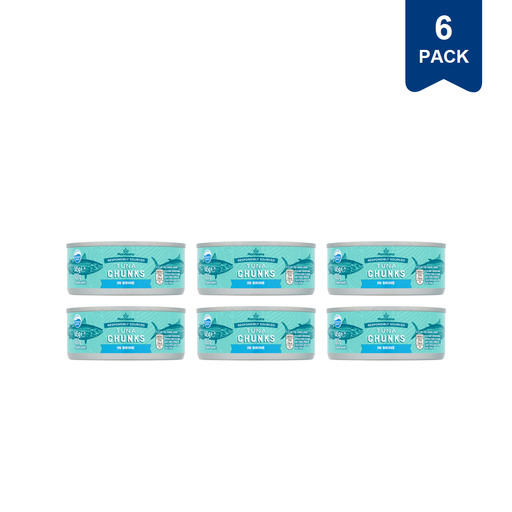
Six separate cans offer portions for cupboard meals if brine is your preferred packing liquid. The listing identifies skipjack tuna, water and salt; check the pack’s drained weight and nutrition panel when comparing it with spring-water products. Its description says some bones may remain. Transfer unused contents to a non-metallic container, refrigerate them and consume them within two days, as directed for this product.
 No image available
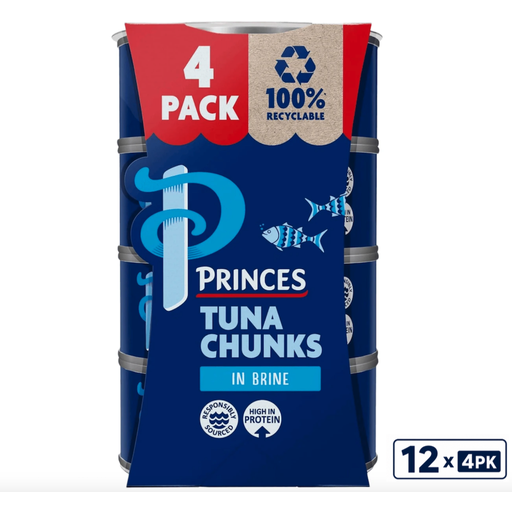
This quantity is worth considering if you are stocking tuna for several meals, rather than only one Bonfire Night gathering. The listing describes 12 packs of four 145g cans of tuna chunks in brine; check the quantity against your storage and meal plans. It says small bones may remain and directs you to refrigerate leftovers in a clean, sealed container and consume them within two days.
Choose separate tins if you expect to make meals on different occasions; a larger tin is more practical when you can use its contents promptly after opening. Compare drained weight where stated and follow the opened-storage instructions on the exact pack.
An explicitly labelled no-drain product suits a quick topping, sandwich or snack when you want to skip draining. Check whether it contains chunks or steak and how much the pack provides: John West’s no-drain chunks multipack is a different format from its tuna steak fridge pot.
Follow the instructions on that product’s packaging rather than assuming one storage period applies to every tin. Tesco’s spring-water multipack, for example, directs you to transfer unused contents to a non-metallic container, cover and refrigerate them, and consume them within two days.
Do not assume it does. Tesco and Asda display MSC statements for the specified spring-water packs, while M&S describes its specified product as pole-and-line caught under its Forever Fish policy. Check the statement on the particular format and pack you are buying.
Check the exact pack for its packing liquid, ingredients, fish allergen information, nutrition values, drained weight where stated, date marking and storage instructions. These details help you match the tuna to your planned portions and any household requirements.