What matters when choosing
Start with how often you use tuna and how much a meal needs, then weigh preparation time against the label checks needed for the child eating it.
| Concern |
What to check |
Who this matters to |
| Pack size for repeat meals |
Compare can count, net and drained weight where given, and whether a usual recipe uses a whole tin. |
For repeated pasta bakes or jacket-potato fillings, I want enough tuna without opening more than the meal needs. About 40% of consumers put matching pack size to repeat meals first. |
| Quick, low-mess preparation |
Confirm that the exact pack says no-drain; check its packing liquid for the recipe. |
On a rushed weekday, I would rather assemble sandwiches without draining a tin. About 30% of consumers prioritise quicker, lower-mess preparation. |
| Ingredients and salt |
Read the current fish and precautionary allergen statements, and compare salt per 100g on the exact packs. |
When choosing for a child with an allergy, or checking salt for a younger child, I need the label for the tin I will serve. About 30% of consumers place these child-specific checks first. |
Joybuy tuna multipacks
These tuna-chunk packs cover no-drain, spring-water, brine and sunflower-oil options for repeat tea-time meals. For a child with an allergy, check the current label on the particular pack before serving.
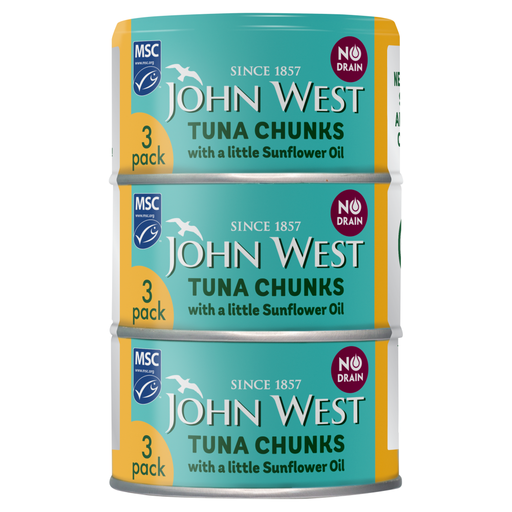 Image unavailable
John West No Drain Tuna Chunks in Sunflower Oil, 3 × 100g
Consider this three-tin pack when avoiding a draining step matters for sandwiches or pasta. It is packed in sunflower oil; check that the oil suits the meal and look for bones before serving, as the product information warns some may remain.
View on Joybuy
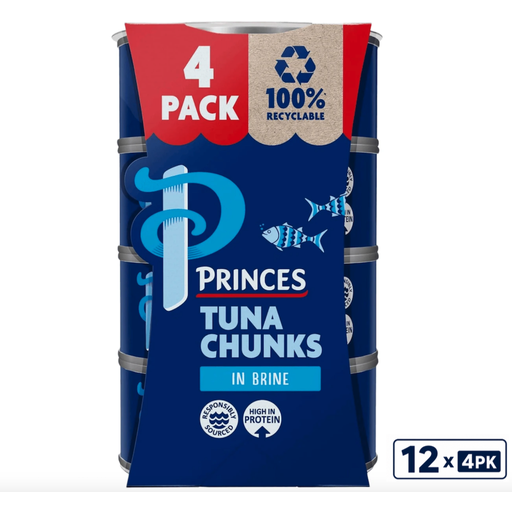 Image unavailable
Princes Tuna Chunks in Brine, 4 × 145g × 12 packs
This larger bundle is worth considering if tuna features in repeated household meals and the tins will be used. It contains twelve 4 × 145g packs; check the salt declaration for the exact product and whether its can size fits your recipes.
View on Joybuy
 Image unavailable
John West Tuna Chunks in Springwater, 4 × 125g
These four tins offer spring-water tuna chunks for meals such as sandwiches and pasta. The stated use instructions allow draining or using the tuna straight from the can; do not treat this as a confirmed No Drain variant.
View on Joybuy
 Image unavailable
Princes Tuna Chunks in Brine, 4 × 145g
This four-can brine pack may fit households making several sandwiches or pasta meals without taking on the larger twelve-pack bundle. The product instructions specify draining before use; compare its salt declaration with the rest of the planned meal.
View on Joybuy
 Image unavailable
Princes Tuna Chunks in Sunflower Oil, 4 × 145g
Consider this four-can pack when sunflower oil fits the flavour and preparation of the intended meal. Check its ingredients and nutrition panel rather than treating it as interchangeable with the brine-packed version.
View on Joybuy
Questions about tuna for kids’ tea
Can children eat tinned tuna?
Tinned tuna can be one food in a varied diet for children already eating fish. The NHS notes that canned tuna does not count as oily fish. For a baby starting solids, NHS guidance says foods that can trigger allergies should be introduced one at a time from around six months; seek advice from a GP or health visitor first if the baby has a diagnosed allergy, eczema or a relevant family history.
Does tinned tuna contain shellfish?
Do not assume it does: tuna is fish, while crustaceans and molluscs are separate allergen categories. M&S lists skipjack tuna and spring water for its cited product, but check each exact tin’s current ingredients and any precautionary allergen statement.
Should I choose tuna in brine, spring water or oil?
Choose the packing liquid to fit the meal, then compare the exact products’ ingredients and nutrition panels. Spring-water tuna can provide a plain base for a sauced dish, while an oil-packed tin changes the liquid going into it. Brine does not establish the salt content of every product: Princes lists 0.9g salt per 100g drained for its cited brine tuna, while M&S lists 0.75g per 100g for its cited spring-water tin.
What should I do with tuna left after opening a tin?
Follow the opened-pack instructions for the tin you bought. For its cited spring-water product, M&S says to transfer unused contents to a non-metallic container, refrigerate them and eat them within two days. A smaller can may be easier to match to a single sandwich filling.
Does buying a multipack change how often to serve tuna?
No: pack size is not a serving-frequency recommendation. The Food Standards Agency notes that tuna, as a predatory fish, can contain mercury. Consider how often tuna appears in the child’s meals rather than using the number of tins in a multipack as a meal plan.


