
24/7 Customer Support

Free returns

Same-day & Next-day Delivery

Quality Guaranteed

Unlock Your Welcome Offers: FREE Delivery | Up to 80% OFF | Free 30-day JoyPlus trial
Download the APP
Tinned tuna is a practical storecupboard staple for UK households, but the right product depends on more than the front-of-pack wording. A can labelled “tuna chunks”, “ready to eat” or “high protein” may still differ considerably in drained weight, packing liquid, salt content, texture and intended use.
Before buying tinned tuna, check the details that affect value and convenience. This helps avoid paying more for a small portion, choosing a flavour that does not suit your meals or discovering that a product needs draining when you are preparing lunch at speed.
A 145g tin does not necessarily contain 145g of tuna. Some of the stated net weight includes springwater, brine or oil. For a fair comparison, look for the drained weight and compare the tuna content per serving.
This matters when choosing tuna multipacks for family meals. Four larger cans may offer more total tuna than four smaller cans, but the packing liquid and price per 100g still need to be considered.
Tuna in springwater usually has a lighter taste and lower fat content than tuna in sunflower oil or tuna in olive oil. Brine can provide a clean, seasoned flavour, but salt levels vary between products. Oil-packed tuna may be more moist and suited to Mediterranean-style dishes, although it generally contributes more energy and fat.
The liquid also affects preparation. Traditional cans normally need draining, while no-drain tuna is designed to be used directly, reducing mess and food waste.
Terms such as “responsibly sourced”, “dolphin friendly” and “sustainable tuna” do not all communicate the same thing. If sustainability is important to you, look for a recognised certification mark, fishing method or fishery information on the packaging. An MSC label, where present, should be checked against the certification details shown on the product.
Also check the species and catch information where provided. Skipjack tuna is commonly used in everyday tuna chunks, while tuna steaks and speciality products may use different formats and sourcing information.
Choose the format that matches how you normally eat tuna:
Nutrition panels are normally shown per 100g, often based on drained product. For example, John West Tuna Chunks in Springwater lists 25g protein and 106 kcal per 100g drained, while Princes Tuna Chunks in Sunflower Oil lists 23.5g protein and 180 kcal per 100g. These figures are useful for comparison, but portion size and the rest of the meal also matter.
“Tuna chunks”, “flakes” and “fillets” are not interchangeable formats:
Tuna steaks are usually frozen or chilled rather than shelf-stable. Always follow the storage instructions. Raw or sashimi-style products require particular care with thawing, hygiene and preparation; do not treat them like ready-to-eat tinned tuna.
A single 80g or 100g can may suit a lunch or snack, while 4 x 125g and 4 x 145g tuna multipacks are more practical for regular family cooking. Consider cupboard space, how quickly your household uses an opened can and whether leftovers can be consumed within the stated period.
No-drain and resealable formats can be useful for work lunches or quick snacks. However, prepared tuna products may contain additional ingredients such as sugar, oil, vegetables, sauces or cereals. Read the ingredients and allergen information rather than assuming all ready-to-eat tuna has the same nutritional profile.
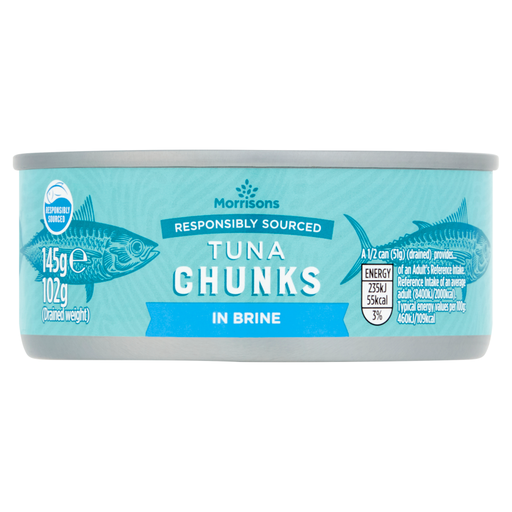
Why This Fits Their Persona: A single 145g can is a straightforward option for trying tuna in brine without committing to a larger multipack.
The product information gives drained nutrition values, helping shoppers compare the tuna rather than only the 145g net weight.
Brine, water and salt are listed ingredients; 24.9g protein per 100g drained.
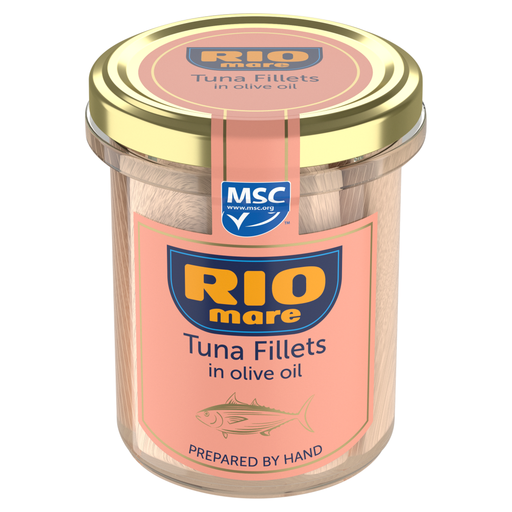
Why This Fits Their Persona: A glass jar and fillet format suit shoppers who want tuna for plated salads, grilled vegetables or more presentation-focused meals.
The drained nutrition panel separates the tuna from the oil, making the higher-energy oil-packed format easier to assess.
Tuna fillets in olive oil; MSC certification information is provided in the product details.
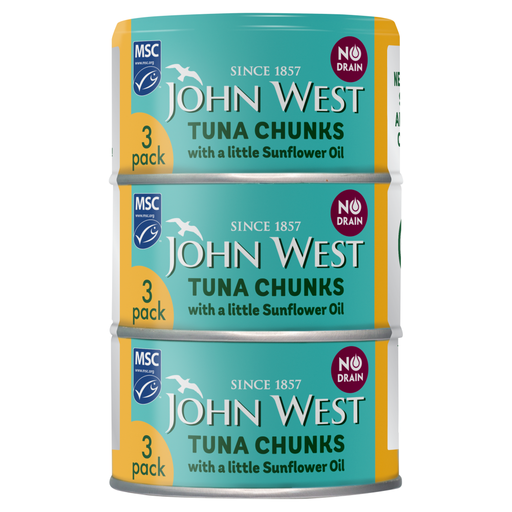
Why This Fits Their Persona: Three 100g cans and a no-drain format are convenient for packed lunches, quick snacks and small portions.
The no-drain design addresses the mess and lost liquid associated with traditional cans, while the pack size avoids opening a large tin for one lunch.
No draining required; 27g protein per 100g and MSC-certified fishery information are listed.

Why This Fits Their Persona: A prepared hot and spicy recipe adds seasoning for rice bowls, sandwiches or quick meals when plain tuna feels repetitive.
The ingredient list makes the added oil, sugar, chilli and thickeners visible, avoiding the assumption that all tinned tuna is a plain, single-ingredient food.
Ready-to-eat tuna flakes; 180g format with a chilli-based recipe for quick serving.
We have compiled a complete, real-time list of products that fully satisfy these strict selection criteria and UK safety regulations.
Store unopened tinned tuna in a cool, dry place and check that cans are not swollen, leaking or badly damaged. Do not eat from a can with a bulging lid. After opening, transfer unused tuna and liquid to a non-metallic container, refrigerate and consume within the period stated on the packaging, commonly two days.
For a quick meal, combine tuna in springwater or brine with sweetcorn, cucumber and yoghurt dressing. Oil-packed tuna can be mixed with pasta, tomatoes and herbs, while flavoured tuna works with rice, baked potatoes or wraps. Check allergens carefully: all products in this guide contain fish, and prepared recipes may include additional allergens such as wheat, egg, soya, milk or mustard.
Many plain tuna products provide around 23–27g of protein per 100g drained, although the exact value varies by product and recipe. Flavoured or sauced tuna may contain less tuna per 100g, so check both the protein figure and the serving size.
That depends on your recipe and preference. Tuna in springwater is relatively light and mild, tuna in brine has a seasoned taste, and tuna in sunflower oil or olive oil generally offers a richer texture. Compare the nutrition panel on the drained product and account for the oil or salt used elsewhere in the meal.
Follow the storage instructions on the label. Many products advise transferring leftovers to a non-metallic sealed container, refrigerating them and eating them within two days. Ready-to-eat tuna meals may have different instructions, so check the packaging before storing.