
24/7 Customer Support

Free returns

Same-day & Next-day Delivery

Quality Guaranteed

Unlock Your Welcome Offers: FREE Delivery | Up to 80% OFF | Free 30-day JoyPlus trial
Download the APP
Tinned tuna is a practical UK storecupboard staple, but the tin that looks like a bargain is not always the right choice for your meals, budget or nutrition preferences. The difference between tinned tuna, tuna chunks, steaks and ready-to-eat flavoured varieties can affect drained weight, texture, salt, calories and value.
Before adding a multipack to your basket, look beyond front-of-pack phrases such as “high in protein”, “premium” or “responsibly sourced”. The ingredients list and nutrition panel provide more useful buying information.
A larger tin may contain more water or oil, so the net weight alone does not show how much tuna you will actually use. Compare the drained weight, especially when choosing tuna in springwater, tuna in brine or tuna in sunflower oil.
For family cooking, tuna multipacks can reduce the cost per can and prevent repeat shopping trips. However, a single 80g can may be more suitable for a snack, sandwich or one-person lunch than a 145g tin.
Plain tuna chunks often provide around 23–27g of protein per 100g, but prepared meals and flavoured products can include oil, sugar, pasta, sauces or vegetables. For example, John West Tuna Light Mediterranean Lunch provides 17g of protein per 220g pack, while its recipe also includes pasta and dressing.
Check whether the figures are listed per 100g, per serving or per pack. This prevents misleading comparisons between plain tuna and ready-to-eat meals.
Tuna in brine contains water and salt, while tuna in oil can have a higher energy and fat content than tuna in springwater. Flavoured products may also contain sugar, sauces or additional allergens.
All tuna products contain fish, and some recipes include ingredients such as wheat, eggs or soya. Always read the current packaging before purchase if you have an allergy or specific dietary requirement.
Tuna chunks are convenient for mixing into pasta, sandwiches and salads. Tuna steaks or fillets are generally more suitable when you want larger pieces to serve whole. Flakes in sauce can be useful for rice, toast or quick meals where the sauce is part of the dish.
The ingredient list can also show how much tuna the product contains. For instance, John West No Drain Tuna Chunks in Sunflower Oil lists tuna at 90%, while some prepared recipes contain a lower proportion because they include pasta, vegetables or sauce.
A 3- or 4-pack is practical for regular lunches and family meals. A 6-pack of 145g cans may suit a busy household that uses tuna several times a week. Smaller 80g cans can help reduce leftovers, while jars may provide a presentation-friendly option for salads and sharing dishes.
After opening, transfer unused tuna and liquid to a non-metallic container, refrigerate and consume within the period stated on the packaging. Many of the products listed here advise using opened tuna within two days.

Why This Fits Their Persona: Four 145g cans provide a useful everyday supply for lunches, jacket potatoes, pasta dishes and family meals.
The four-can format makes it easier to compare household value, while the nutrition information is given per 100g drained.
Each 145g can provides 23.5g protein per 100g drained and contains tuna, water and salt.
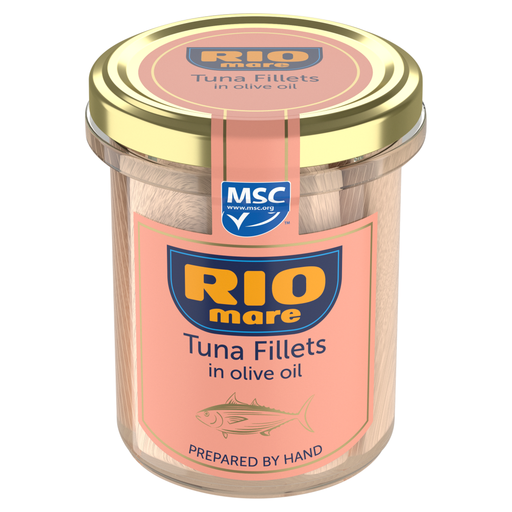
Why This Fits Their Persona: The glass jar and fillet format suit shoppers who want tuna for composed salads, Mediterranean dishes or serving at the table.
The listing separates whole-product and drained nutrition values, helping shoppers assess the effect of the olive oil accurately.
The product is supplied in a 180g glass jar and lists tuna fillets, olive oil and salt.

Why This Fits Their Persona: The four-can format offers ready-to-use tuna for post-gym lunches, salads and meal preparation without oil-based packing liquid.
Its nutrition panel is stated per 100g drained, so the protein and energy figures are easier to compare with other plain tuna options.
It provides 25g protein per 100g drained, with tuna, springwater and salt listed as ingredients.
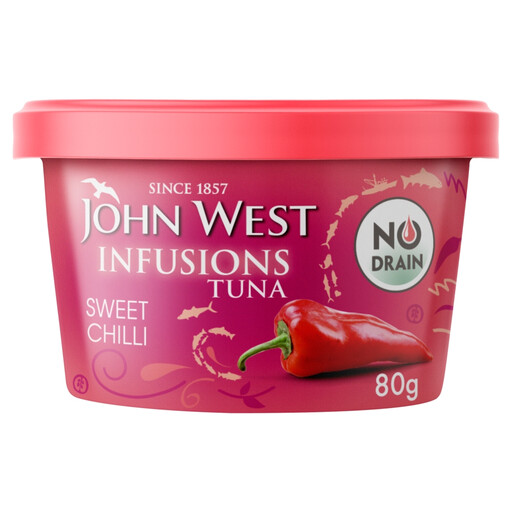
Why This Fits Their Persona: The resealable, no-drain format is convenient for quick sandwiches, stir-fries, roasted potatoes or desk lunches.
The listing clearly identifies sunflower oil, sugar and pepper ingredients, helping shoppers avoid mistaking a seasoned recipe for plain tuna.
The 80g can is ready to eat without draining and provides 22g protein per 100g.
We have compiled a complete, real-time list of products that fully satisfy these strict selection criteria and UK safety regulations.
Plain tinned tuna can provide a substantial amount of protein per 100g, with the exact figure varying by product and drained weight. Compare the nutrition panel rather than relying only on front-of-pack wording. Flavoured meals may contain less tuna because they include other ingredients.
Many products advise refrigerating unused tuna and consuming it within two days, although the precise instruction can vary. Transfer it from the opened tin to a non-metallic, covered container and follow the product label.
Not necessarily, but oil-packed tuna can have a higher energy and fat content, and some of the oil may remain after draining. Compare the price per drained weight and the nutrition values to judge which option suits your meals and budget.