Cooks short on preparation time
If tuna is going straight into pasta, a jacket potato, a wrap or a salad, an explicitly labelled no-drain tin removes the draining step. A standard spring-water tin remains an option when that step is not a concern.


For a quick dinner without draining liquid, choose a tin explicitly labelled no-drain; standard spring-water chunks suit dishes where you want to add your own sauce or dressing, while oil-packed tuna suits meals where you want the oil in the finished dish. If an organic claim matters, check exactly which ingredient it covers: tuna in organic olive oil does not, by itself, establish that the fish is organic. Check MSC sourcing claims separately from organic claims.
If tuna is going straight into pasta, a jacket potato, a wrap or a salad, an explicitly labelled no-drain tin removes the draining step. A standard spring-water tin remains an option when that step is not a concern.
If you are looking for an organic ingredient, distinguish the oil from the fish. The Fish4Ever listing at Ocado identifies certified organic olive oil and states that organic ingredients make up 17.5% of the product; it does not establish an organic claim for the tuna.
If sourcing affects your choice, look for the claim on the exact tin. The Marine Stewardship Council says its blue MSC label concerns wild-caught seafood from fisheries independently assessed against its environmental-sustainability requirements; it is not an organic label.
Start with how the tuna will go into dinner, then check the exact pack for ingredients, claims and a size that suits the number of diners.
| Priority | What to check | Your needs |
|---|---|---|
| Preparation | Look for an explicit no-drain description if you want to skip draining. Check the size of each tin, not just the number in the pack. | I want to add tuna straight to pasta, a jacket potato or a salad with minimal preparation. |
| Packing medium | Check whether the tuna is in spring water, brine or oil. Read the ingredient list and compare nutrition figures on the same per-100g basis, noting whether a value is for drained tuna. | A neutral base lets me add my own sauce or dressing; for another recipe, I may want the oil as part of the finished dish. |
| Organic claim | Identify whether “organic” describes the whole food or a named ingredient, and check the certification statement. UK organic labelling rules published by the Department for Environment, Food & Rural Affairs require applicable production rules and certification by an approved control body. | If I am choosing a product for its organic claim, I want to know whether it applies to the oil, the fish or the product as a whole. |
| Sourcing | Check the exact pack for an MSC label or a stated fishing-method claim. The Marine Stewardship Council says its blue label relates to independently assessed wild-caught fisheries, not organic certification. | When sourcing is important to me, I want a claim I can identify on the tuna I am buying rather than assuming one label covers every concern. |
| Portions and leftovers | Compare tin size and drained weight where given. Before keeping unused tuna, follow the pack’s instructions for the container, refrigeration and time after opening. | A tin that fits tonight’s number of diners may leave less to store for another meal. |
The Fish4Ever listing at Ocado identifies certified organic olive oil as 17.5% of the product’s ingredients. That ingredient-level statement does not establish that the fish is organic.
Read the product name, ingredient list and certification statement to see precisely what the claim covers.
Spring water provides a base for a sauce or dressing added separately; oil becomes part of the finished dish if you use it with the tuna. The formats should not be treated as interchangeable for every recipe.
Choose the medium for the meal you plan to make, and compare the exact products’ per-100g labels if their nutrition figures matter to your choice.
The Marine Stewardship Council’s blue label concerns assessed wild-caught fisheries. Organic food claims fall under separate UK production and labelling rules.
If both claims matter, check each one independently on the exact product.
A partly used tin needs handling according to its pack. For example, Marks & Spencer instructs buyers of its spring-water tuna chunks to transfer unused contents to a non-metallic container, refrigerate them and eat them within two days.
Choose a pack size you can use conveniently, and follow the storage directions on the tin you open.
These examples show why the exact product label matters: a format or sourcing claim for one line should not be assumed for every tuna product under the same name.
Its No Drain Tuna Chunks in Spring Water is an option when skipping the draining step matters.
Its spring-water chunks are a water-packed option for meals where you add other flavours yourself.
Tesco lists own-label spring-water tuna chunks, giving shoppers another standard water-packed format to consider.
Its tinned-fish range includes spring-water and olive-oil tuna options.
Its Tuna Chunks in Spring Water is another water-packed product to compare for a quick meal.
Its yellowfin tuna in organic olive oil is relevant when the certified ingredient in the oil-packed product is the point of interest.
These options cover no-drain spring-water tuna, standard spring-water chunks, tuna in olive oil and a brine multipack for quick meals. Check the exact pack if an organic or sourcing claim is essential to your choice.
 No image available
The no-drain format suits a meal where you want to add tuna without first pouring off liquid. John West lists 90% tuna, spring water and salt, with 27g protein per 100g for this product. Follow the pack’s instructions for any unused contents.
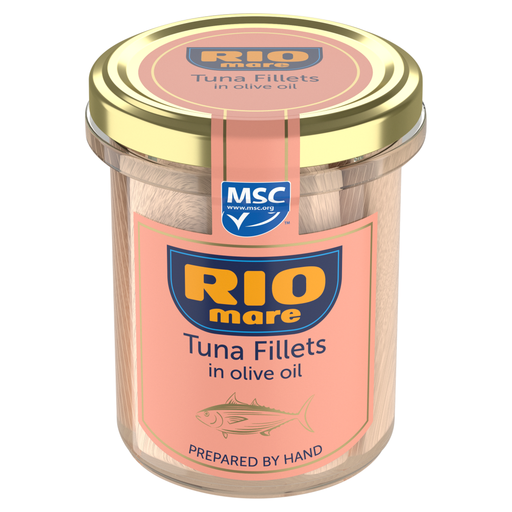 No image available
This olive-oil-packed jar is an option when you want the oil alongside the tuna in a salad, sandwich or pasta dish. Check the jar’s ingredient and sourcing statements if either an organic or an MSC claim is part of your decision.
 No image available
These spring-water chunks offer four separate tins for meals such as pasta or salads. If avoiding the draining step matters, check this pack’s directions rather than assuming it has the no-drain format of the other John West product shown here.
 No image available
This single spring-water tin is a format to consider when you want tuna for a meal without opening a multipack. Check the pack if you need a no-drain product, and follow its directions for any leftovers.
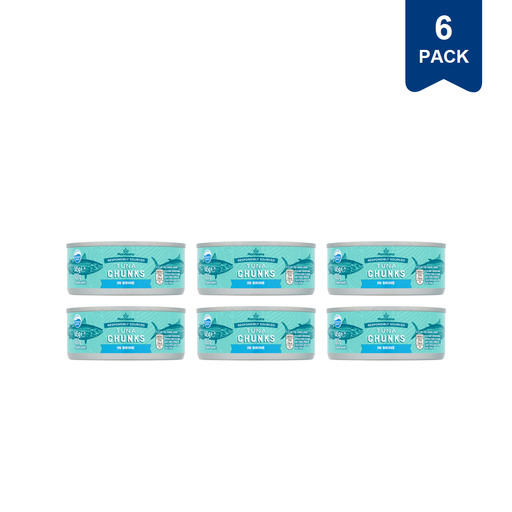 No image available
The six-tin pack provides separate brine-packed portions for quick meals. Choose it with the brine in mind rather than treating it as a spring-water variant; the product information also warns that some bones may remain.
No claim about the fish follows from the oil’s claim alone. The Fish4Ever listing at Ocado identifies certified organic olive oil and says organic ingredients make up 17.5% of that product; check the exact pack to see whether any separate organic claim applies to the tuna.
According to the Marine Stewardship Council, its blue label identifies wild-caught seafood from fisheries independently assessed against MSC environmental-sustainability requirements. It does not certify the tuna as organic or tell you whether it is packed in water or oil.
Choose spring water when you want to add your own sauce or dressing; choose oil when you want that oil in the finished dish. Check the exact ingredient list and compare per-100g nutrition figures on a consistent basis, including whether they refer to drained tuna.
Follow the directions on the tin you opened. For its spring-water tuna chunks, Marks & Spencer instructs buyers to transfer unused contents to a non-metallic container, refrigerate them and eat them within two days.