What matters when choosing tuna?
Start with the finished meal: the Hillingdon Hospitals NHS Foundation Trust describes easy-to-chew fish as soft enough to break apart with the side of a fork or spoon. Then choose the piece format and pack details that suit your preparation.
| Concern |
What to check |
Who this matters to |
| Finished texture |
Can you moisten the dish and break its prepared fish pieces apart easily with a fork or spoon? |
If I am preparing an easy-chew meal, I need to assess the serving rather than rely on the tin’s description. About 36% of consumers put finished texture and preparation first. |
| Piece format |
Check whether the pack contains steaks, chunks, flakes or a mixture; plan how you will divide larger pieces. |
I may want larger pieces on the plate, but I still need to make them suitable for the dish. For about 22% of consumers, that balance is the primary concern. |
| Ingredients and salt |
Read the exact ingredient and allergen lists; compare salt values on the same labelled basis. |
When ingredients or salt affect my choice, the particular pack matters more than a general claim about brine or water. Roughly 21% of consumers make these label details their first consideration. |
| Other pack priorities |
Check the pack for an MSC label or suitable opening method; compare drained-weight unit prices where shown. |
I may prioritise certified sourcing, an opening method I can manage or pack value once I know how I will prepare the meal. About 21% of consumers place these pack considerations first. |
Tinned tuna selections on Joybuy
These selections cover sauced flakes, chunks in brine or spring water, and a steak-format product. Choose among them by the preparation you can do and the texture you need to check before serving.
 No image available
Century Tuna Flakes in Adobo Style Sauce 180g
The flake format is an option for a filling or pasta dish where you can mix the tuna through a moist accompaniment.
Check the finished texture before serving. The product information identifies fish, soybeans and wheat allergens; check the exact pack if these affect your choice.
View on Joybuy
 No image available
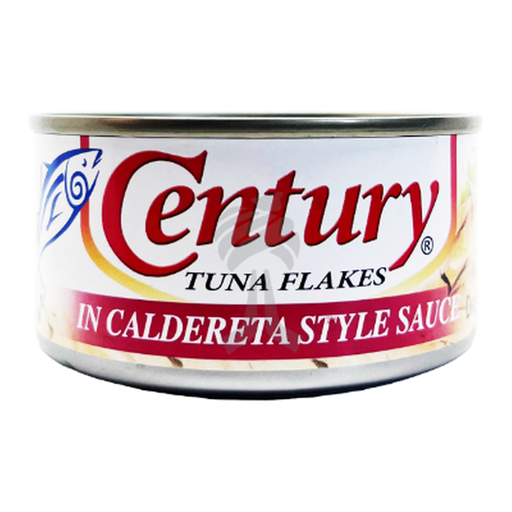
Century Tuna Flakes in Caldereta Style Sauce 180g
These flakes in sauce can be mixed into a filling or pasta dish, with the prepared serving checked for softness and fork-breakability.
The product information identifies fish and soy and flags possible milk cross-contact. Check the exact pack for allergen details.
View on Joybuy
 No image available
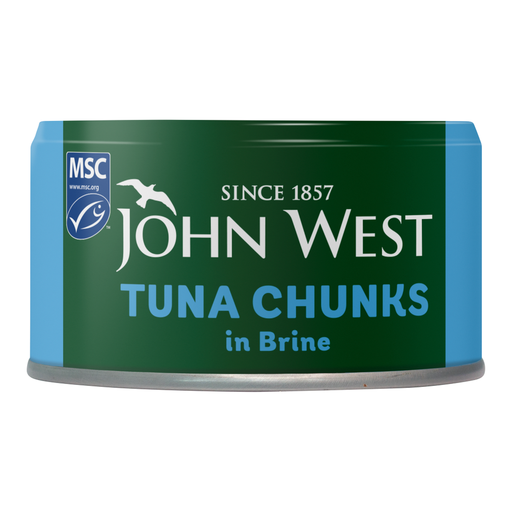
John West Tuna Chunks in Brine 125g
Choose chunks if you want a tuna base that you can break up and mix into a moist dish.
Check the finished pieces with a fork before serving. The product information warns that some fish bones may remain.
View on Joybuy
 No image available
John West No Drain Tuna Chunks in Springwater 3 x 100g
The no-drain format avoids a draining step if you plan to break up the chunks for a meal.
No-drain does not establish easy-chew suitability: check the prepared serving’s moisture and whether its pieces break apart easily. The product information warns that some bones may remain.
View on Joybuy
 No image available
Tropical Sun Tuna Steaks in Brine 160g
This steak format is for a meal where you want larger pieces and can prepare them further before assessing the cooked texture.
The product information says cooking is required and states that it is unsuitable for children under four because of its texture. Cook as directed, then divide, moisten and check the finished serving; do not treat the steak format as an easy-chew guarantee.
View on Joybuy
Common questions
Does premium tuna mean it is easier to chew?
No. A steak or fillet may need dividing and moistening before it suits an easy-chew meal. The Hillingdon Hospitals NHS Foundation Trust advises checking that prepared fish is soft enough to break apart easily with the side of a fork or spoon.
When should I seek advice before preparing an easy-chew meal?
If someone has an increased choking risk or swallowing problems, follow their individual professional guidance rather than relying on an adapted tin of tuna. NHS East of England Community Health and Care NHS Trust guidance says Level 7 Easy to Chew is not intended as a universal approach for those difficulties.
How do I compare salt and ingredients between tuna tins?
Read each pack’s ingredient list and compare its nutrition values on the same basis, such as per 100g drained. Do not assume that every product packed in brine or spring water has the same salt value.
Is tinned tuna suitable for someone with a fish allergy?
No. Tuna is fish, so someone with a fish allergy should avoid it. Check the exact pack for its full allergen information, particularly when tuna comes with a sauce or other ingredients.
Is there a tuna limit during pregnancy?
Yes. NHS pregnancy guidance advises no more than four cans of tuna or two tuna steaks a week because tuna can contain pollutants including mercury. That advice concerns pregnancy; it does not indicate whether a tuna dish has an easy-chew texture.


