One-dish festive bakers
If one pie, tart or pasta bake is on the menu, an individual tin avoids opening a multipack. Check its drained weight against the amount of tuna the recipe needs, not just the weight printed prominently on the front.


For a savoury Christmas bake, choose a single tin of tuna chunks in spring water when you want to control the filling’s seasoning and richness yourself; drain it and check the salt on the exact tin, as spring-water products can differ. Brine suits a filling that can accommodate its salt, while oil-packed tuna changes the moisture and richness; whichever you choose, check the drained quantity and whether the recipe calls for chunks or larger pieces.
If one pie, tart or pasta bake is on the menu, an individual tin avoids opening a multipack. Check its drained weight against the amount of tuna the recipe needs, not just the weight printed prominently on the front.
Cheese, stock or other salty ingredients leave less room for salt from the tuna. Compare the packing liquid and the salt figure on the exact tin before seasoning the finished filling.
Using the whole tin in one dish simplifies storage. If some remains, follow that product’s instructions for transferring and refrigerating it; the stated time after opening differs between tins.
When choosing one tin for a Christmas savoury bake, start with the amount of fish the recipe needs, then consider seasoning, texture and the people eating it.
| Concern | What to check | Who this matters to |
|---|---|---|
| Quantity for one bake | Confirm it is one tin, then compare the drained weight with the recipe’s tuna quantity. | For one pie or pasta bake, I need enough fish without opening more tins than necessary; about 36% of consumers put one-bake quantity first. |
| Salt and moisture | Read the exact tin’s ingredients and salt figure, and drain it if the filling needs less liquid. | When cheese or stock is already in the filling, I want control over added salt and liquid; seasoning and moisture are the primary concern for about 29% of consumers. |
| Piece size and richness | Check whether the tuna is chunks or steak and whether it is packed in water, brine or oil. | If the tuna needs to spread through a pastry filling, I care about its pieces and how its packing liquid changes the dish; about 21% of consumers prioritise texture and richness. |
| Labels and diners’ needs | Check the current label for fish and other relevant allergen information, sourcing claims and storage instructions. | When cooking for other people, I need to check the ingredients and any requirements that affect what I can serve; these label checks come first for about 14% of consumers. |
Packing liquid counts towards net weight. Tesco Groceries lists 102g drained weight for its 145g spring-water tuna chunks, so that tin does not provide 145g of drained fish.
Use the drained weight when planning the filling. If the recipe specifies a weight of fish and the label does not give one, drain and weigh the tuna before deciding whether one tin is enough.
Salt varies even between similarly sized tins. Sainsbury’s lists 0.12g salt per 100g drained for its 145g spring-water chunks and 0.42g for its 145g brine chunks; its listing for Princes 145g brine chunks gives 0.9g.
Check the exact variant and taste the combined filling before adding salt, particularly if it also contains cheese or stock.
Instructions after opening differ. The checked Sainsbury’s own-label tins specify use within one day, while the checked Tesco and M&S products specify two days.
If tuna remains, transfer it to a covered non-metallic container, refrigerate it and follow the time stated on that tin’s label.
Chunks and steak are different piece formats. M&S describes its sunflower-oil tuna steak as moist and rich, so it is not a like-for-like substitute for drained chunks in every filling.
Choose chunks if the recipe needs tuna distributed throughout. If substituting steak or oil-packed tuna, consider its pieces and the liquid or oil going into the dish.
Tesco’s 145g spring-water tuna chunks provide a reference for planning a straightforward drained-tuna filling.
Princes lists tuna chunks in brine in an individual 145g size.
John West offers tuna chunks in standard and No Drain formats.
Sainsbury’s lists individual 145g tuna chunks in both spring water and brine.
M&S lists a 160g tuna chunks in spring water product for a bake that calls for a different tin size.
These individual tins cover spring-water and brine tuna for savoury bakes. The steak option calls for a different approach to piece size and preparation than the chunks.
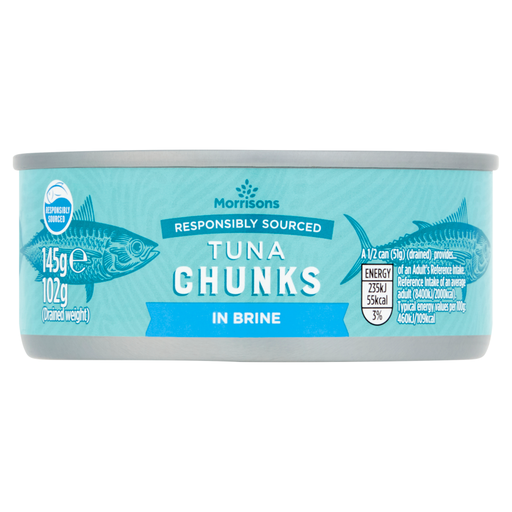 Image unavailable
An individual tin of chunks for a filling where brine suits the seasoning plan. The 145g figure is net weight: check the usable quantity if the recipe specifies drained tuna, and account for the tuna’s salt before seasoning a cheese- or stock-based filling. Contains fish; check the label if bones are a concern.
 Image unavailable
A single tin of spring-water chunks for a filling whose other ingredients supply the richness. Drain it as the recipe requires, and check both the drained quantity and the tin’s salt figure before adding further seasoning. Contains fish.
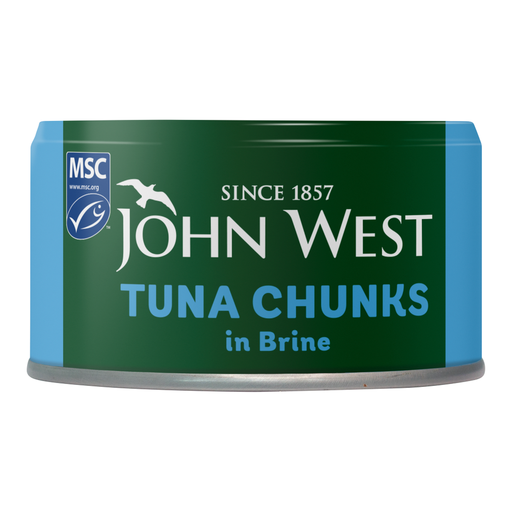 Image unavailable
This 125g brine tin is an option when a recipe calls for a modest portion of chunks. Check its drained quantity and the basis of the salt figure on the can if either affects the filling. Contains fish; check the label if bones are a concern.
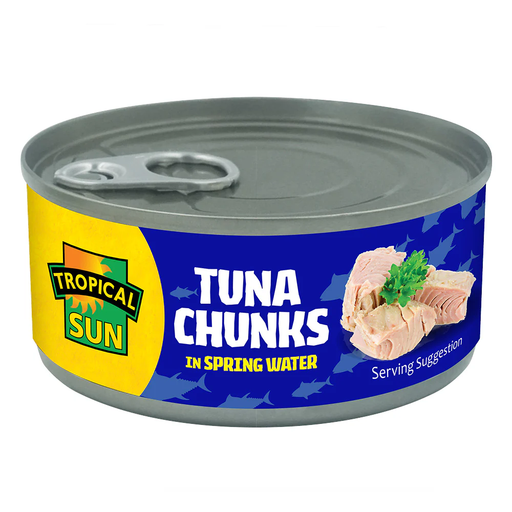 Image unavailable
A 160g spring-water tin for a bake that can use chunks from a larger can. Drain it before mixing if the recipe requires a drier filling, and check the drained quantity. Read the current label for fish and possible soy or wheat traces where allergies matter.
 Image unavailable
This 160g brine tin contains steaks rather than chunks; consider whether larger pieces suit the bake. Its listing says to drain and cook the product thoroughly before serving, and states that it is not suitable for children under four because of its texture. Check the drained quantity if the recipe specifies a weight of fish. Contains fish.
Choose spring water when you want to set the filling’s seasoning yourself; brine can work when its salt suits the other ingredients. Check the exact tin rather than relying on the packing liquid alone: Sainsbury’s lists 0.12g salt per 100g drained for its 145g spring-water chunks and 0.42g for its 145g brine chunks. Drain as the recipe requires and taste the combined filling before adding salt.
Not necessarily: net weight includes packing liquid. Tesco Groceries lists 102g drained weight for its 145g spring-water chunks, so use the drained figure when comparing that tin with a recipe’s fish quantity.
Transfer it to a covered non-metallic container, refrigerate it and follow the tin’s open-life instructions. The checked Tesco 145g tin specifies use within two days, while the checked Sainsbury’s own-label tins specify one day; Food Standards Scotland also advises checking food labels for storage instructions.
No. The NHS states that fresh and canned tuna do not count as oily fish, regardless of whether the tuna is served in a bake.