Hosts serving tuna visibly
For a starter, salad, canapé or buffet dish where the pieces remain on show, you may prefer a steak, loin or fillet format to tuna intended for a mixed filling.


When the tuna will be visible in a Christmas starter or buffet dish, begin with a steak, loin or fillet format rather than ordinary chunks. Choose olive oil if it suits the finished recipe, or spring water if you plan to add your own dressing; check the exact pack separately for its ingredients, nutrition, sourcing claims and serving instructions.
For a starter, salad, canapé or buffet dish where the pieces remain on show, you may prefer a steak, loin or fillet format to tuna intended for a mixed filling.
If environmental assurance or traceability matters to you, check the exact pack for an MSC label or a stated catch method. These signals do not mean the same thing.
If the tuna will be dressed or mixed with other ingredients, compare the packing liquid and nutrition panel before deciding whether water, brine or oil fits the dish.
For a Christmas starter or buffet, decide how the tuna will be served before comparing its cut, packing liquid and pack-level claims.
| Concern | What to check | Who this matters to |
|---|---|---|
| Visible pieces | Look for steak, loin or fillet wording; check the serving quantity and any bone warning on the pack. | If the fish is going straight onto a platter or salad, I want pieces that will still be recognisable when served. About 33% of consumers put visible presentation first. |
| Sourcing evidence | Check the exact pack for an MSC label, catch-method statement or traceability claim, depending on what matters to you. | When sourcing decides my purchase, a specific claim matters more than premium-looking packaging. Roughly 25% of consumers make sourcing assurance their primary concern. |
| Packing liquid | Compare the ingredients and per-100 g fat, energy and salt values on the products you are considering. | If I am adding a separate dressing, I may want water rather than oil to shape the finished flavour. About 25% of consumers put the recipe and nutrition fit first. |
| Preparation | Check whether a no-drain format would help, along with the opening and after-opening instructions. | With several dishes to assemble, I want fewer draining steps without overlooking the serving instructions. Approximately 17% of consumers prioritise low-mess preparation. |
Oil can contribute to the flavour of a festive dish, but it also changes what you are buying alongside the fish. An oil-packed product is not automatically a better fit for every recipe.
Decide whether you want to use the packing oil, then compare the ingredients and per-100 g nutrition panels of the exact products.
The Marine Stewardship Council says its blue MSC label identifies wild-caught seafood from fishing practices independently assessed against its environmental-sustainability requirements. A pole-and-line statement identifies a catch method; a brand traceability statement addresses another question.
Look for the particular label or claim you value on the can you intend to serve.
Whole pieces can require a check for bones, and storage directions apply once a container has been opened. Fish is also an ingredient guests may need to know about.
Read the physical pack before serving, check for bones as you plate the tuna, and follow its instructions for leftovers.
The NHS states that fresh and canned tuna do not count as oily fish in its dietary guidance.
Choose tuna for the dish you are preparing, not on the assumption that it fills the oily-fish role described by the NHS.
Its range includes albacore tuna loins in Spanish extra virgin olive oil and tuna-steak products in different packing liquids.
Its range includes no-drain tuna chunks and a no-drain tuna-steak fridge pot in spring water.
Its Ocean Select range includes yellowfin tuna steak in olive oil with lemon or sweet chilli.
Its tinned-fish listings include own-brand tuna steaks in spring water and sunflower oil.
These olive-oil-packed tuna products are options to consider for a Christmas salad, starter or platter where the fish may remain visible. Check the pieces and usable quantity against the dish you plan to make.
 No image available
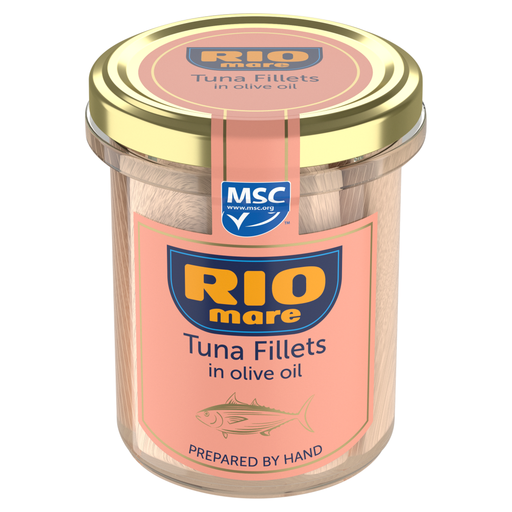
Consider these olive-oil-packed fillets when the tuna will be visible in a salad or platter.
The 180 g figure is the jar size; check how much fish the dish requires. If sourcing assurance matters, check the claim on the jar itself. Check the physical label for guest requirements, and do not use the product if its lid is swollen.
 No image available
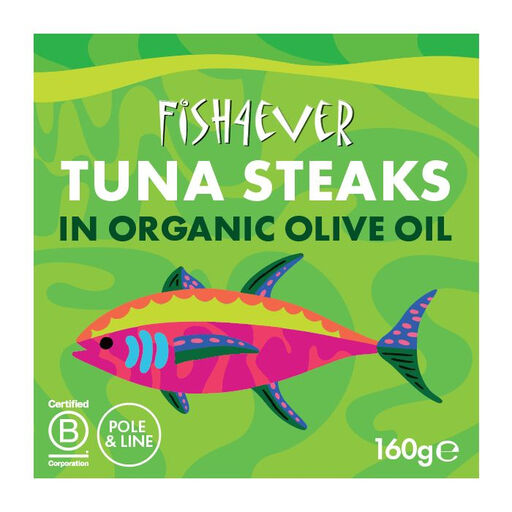
Consider this olive-oil-packed tuna for a salad or pasta dish if the packing oil suits your recipe.
The product name says steaks, while its description also refers to chunks; check the pieces before relying on intact presentation. The pack size is 160 g, so check the usable fish quantity when planning portions, along with the physical label for guest requirements.
Choose according to how the fish will appear in the finished dish. Steaks, loins or fillets are worth considering when pieces will be visible; then check the packing liquid, serving quantity and current pack label. A premium description alone does not establish the cut, nutrition or sourcing credentials.
Choose olive oil if you want its flavour in the dish, or spring water if you intend to add your own dressing. Compare the exact products' ingredients and per-100 g nutrition values rather than assuming every oil-packed or water-packed tuna is alike.
No. The Marine Stewardship Council says its blue MSC label applies to wild-caught seafood from fishing practices independently assessed against its environmental-sustainability requirements. Pole-and-line describes a catch method, so check which statement appears on the exact product.
The NHS advises people who are pregnant or trying for a baby to have no more than four cans of tuna a week. Ask guests about their requirements when planning the menu rather than assuming a festive serving is suitable for everyone.
Follow the storage instructions on the physical pack. Check whether it directs you to transfer unused tuna to another container, and use its stated refrigeration and use-by instructions after opening.