Christmas platter builders
If the tuna needs to remain recognisable in a salad, canapé or buffet dish, look at steak- or fillet-style products before choosing loose chunks. Check the pieces in the particular pack if their appearance is crucial.


For a Christmas platter or salad where the tuna will remain visible, choose tinned steaks or fillet-style pieces if the pack confirms they suit the way you plan to serve them; choose chunks when the fish will be mixed into a filling. If the recipe calls for a raw steak to cook, buy fresh or frozen tuna instead of a tin. Check the packing medium and preparation instructions: not every tinned steak in this selection is ready to eat.
If the tuna needs to remain recognisable in a salad, canapé or buffet dish, look at steak- or fillet-style products before choosing loose chunks. Check the pieces in the particular pack if their appearance is crucial.
For fillings, sandwiches or potato toppings, a product labelled ready to eat can reduce preparation at serving time. Check whether it needs draining and follow its instructions after opening.
If the dressing or seasoning is already planned, compare spring water, brine and oil on the exact pack. Check the fish allergen declaration, any bones warning and the storage instructions too.
Start with whether the finished dish needs visible pieces, mixed-in tuna or a raw steak for cooking; then choose the packing medium and pack size.
| Concern | What to check | Who this matters to |
|---|---|---|
| Visible pieces | Look for steak- or fillet-style pieces when the tuna will be on show; check the pack if intact pieces are essential. | For a Christmas platter, I want recognisable pieces rather than tuna that disappears into the other ingredients; about 36% of consumers put whole-piece presentation first. |
| Packing medium | Compare spring water, brine and oil, including the nutrition and ingredients on the exact variant. | If I have already planned the dressing and seasoning, the liquid in the tin changes my starting point. Packing medium is the primary concern for about 29% of consumers. |
| Preparation | Check whether the product is ready to eat, needs draining or requires cooking; follow its directions after opening. | When I am assembling a cold dish shortly before guests arrive, I need to know exactly what preparation remains; roughly 21% of consumers prioritise that convenience. |
| Pack quantity | Compare pack and drained weights with the amount your recipe needs. | For a filling or bake, I want enough tuna without opening more than the dish requires. Around 14% of consumers make quantity their main consideration. |
Preserved tuna will not give a recipe the same starting ingredient as a raw steak. Preparation also varies between tinned products: the Tropical Sun steak in brine listed below requires cooking.
Decide whether the dish calls for raw fish to cook or tinned fish to serve or add to a recipe, then read the chosen product’s preparation instructions.
A steak-style format matters less when the tuna will be broken up into mayonnaise, pasta or another mixed dish.
Choose chunks when appearance will not matter; reserve a steak-style pack for a dish where its pieces will remain visible.
Spring water, brine and oil give a recipe different starting ingredients. Princes lists different fat values for its spring-water and sunflower-oil drained tuna products; the exact variant matters.
Choose the medium alongside the rest of the recipe, and compare the salt and fat figures on the packs you are considering.
Unused tuna needs to be handled according to the particular product’s directions after opening.
Plan the quantity before opening the pack, then follow its instructions for transferring, refrigerating and using leftovers.
The John West No Drain Fridge Pot Tuna Steak listed by Tesco is a small-format option for a dish assembled close to serving.
Princes lists drained tuna-steak products in spring water and sunflower oil, allowing the packing medium to be chosen for the dish.
Tesco lists own-label skipjack tuna steaks in spring water and brine.
Sainsbury's spring-water tuna chunks in a 4 x 145g pack are relevant when the fish will be mixed into several dishes.
M&S lists tinned tuna steaks in spring water and sunflower oil for dishes where the packing medium and presentation both matter.
These products cover tinned tuna for visible-piece or mixed dishes, plus a frozen tuna-steak option for a recipe that starts with uncooked fish. Check each product’s preparation directions rather than assuming that all tinned steaks can be served straight from the pack.
 No image available
An oil-packed tinned steak option for a salad or buffet dish where the tuna will remain visible. The product information identifies it as ready to eat; account for its sunflower-oil packing medium when planning the dressing.
 No image available
Consider this brine-packed steak product only for a dish in which you can follow its cooking directions. Its product information says not to eat it raw and to cook it thoroughly until piping hot; it is not a ready-to-eat choice for cold canapés. Check its salt content alongside the other ingredients in the dish.
 No image available
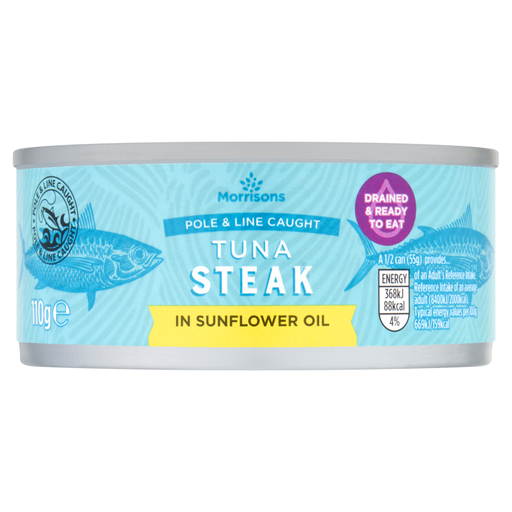
A tinned steak option to consider for salads or sandwiches when sunflower oil suits the recipe. Check the pack for its draining directions before planning assembly, and follow its own storage instructions after opening.
 No image available
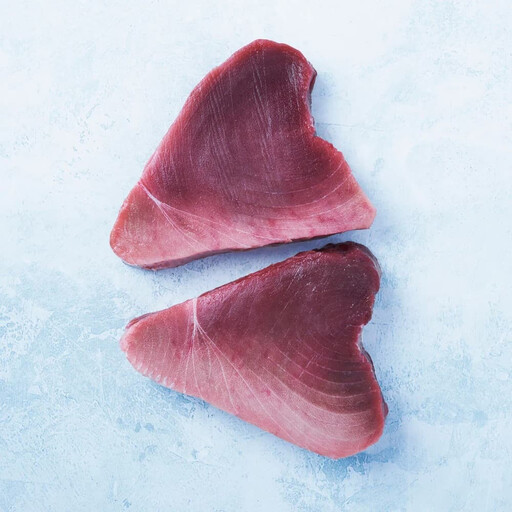
Choose these frozen, uncooked steaks rather than tinned tuna if the recipe requires a steak to cook. The pack contains two steaks totalling 260g; plan for thawing and follow the product’s storage and preparation instructions. The wording in the product name should not be taken as a substitute for those instructions.
 No image available
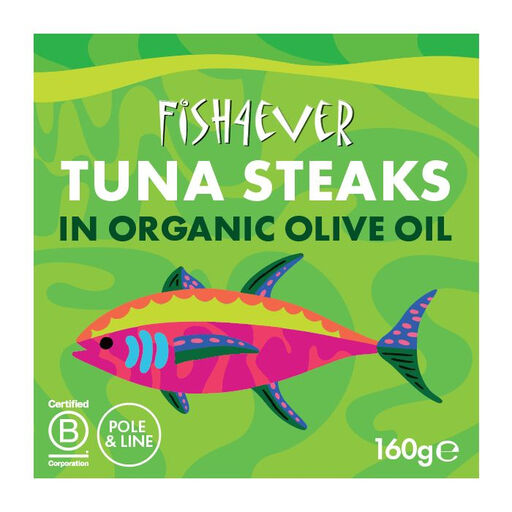
An olive-oil-packed tinned tuna option for a recipe where that oil suits the other ingredients. If the platter needs intact steak-shaped pieces, check the pack before choosing it: the product wording also describes the contents as chunks.
No. A tinned tuna steak is a preserved product, while a fresh or frozen uncooked steak is the starting point for a recipe that calls for cooking raw fish. Check the tin’s directions before serving: preparation requirements vary between products.
Choose spring water if you want to add the dressing yourself, or oil if it belongs in the recipe; check how brine fits with the other salty ingredients. Read the nutrition label on the exact variant rather than assuming that different packing media have the same figures.
Follow the storage and use-by directions on that product. The retailer-listed examples include instructions to transfer unused tuna to a non-metallic container and refrigerate it, but their stated periods after opening differ.
Read the pack’s fish allergen declaration and preparation instructions, and look for any warning that bones may remain. Use the information on the pack you will serve, particularly when choosing between ready-to-eat tuna and a product that requires cooking.