Quantity-focused dinner planners
If tuna is going into pasta, a bake, salad or a filling, you need enough drained tuna for the dish. The can’s total weight includes its packing liquid, so drained weight is the more useful quantity to check.


Choose spring-water chunks when the tuna will be mixed into pasta, a bake or a filling and usable quantity matters more than intact pieces. For a plated starter or composed salad, consider steaks if visible pieces are part of the dish; choose a no-drain format when avoiding a preparation step matters most. Check the drained weight and packing liquid before treating the formats as interchangeable.
If tuna is going into pasta, a bake, salad or a filling, you need enough drained tuna for the dish. The can’s total weight includes its packing liquid, so drained weight is the more useful quantity to check.
For a composed salad, starter or canapé with visible tuna pieces, steak format may suit the planned presentation better than chunks that will be mixed through other ingredients.
When the dish needs assembling just before serving, a product explicitly labelled no-drain or ready to use can remove a draining step. Check that its packing liquid also suits the recipe.
Decide whether this dinner calls primarily for enough tuna to mix through a dish, pieces to leave visible, or a format that needs less preparation.
| Concern | What to check | Who this matters to |
|---|---|---|
| Usable quantity | Compare drained weight, tin count and the amount your recipe needs. | If I am mixing tuna through pasta or a filling, I need enough fish after draining to serve the dish. About 36% of consumers put usable quantity first. |
| Plated presentation | Look for chunks or steaks according to whether pieces must remain visible; check the packing liquid. | For a starter or composed salad, I want the tuna pieces to show rather than disappear into the other ingredients. Visible presentation is the primary need for about 29% of consumers. |
| Preparation | Check for an explicit no-drain or ready-to-use description. | When I am assembling the meal shortly before serving, I would rather avoid draining and managing extra liquid. Roughly 21% of consumers prioritise that preparation step. |
| Label suitability | Read the exact tin for allergens, bone warnings, ingredients, storage directions and any sourcing claim. | If a diner has an allergy or I need to check a sourcing claim, the label takes priority over the format. About 14% of consumers put these suitability checks first. |
Net weight includes the packing liquid. Two tins of similar size may leave different amounts of tuna once drained.
Check the drained weight and work out how much the planned dish requires.
John West describes its no-drain range as ready to open without draining, while Princes describes its drained range as ready to use. That distinction matters less if the dish already involves several mixing steps.
Choose the format for a preparation step it actually removes, and check whether its packing liquid fits the recipe.
Olive oil contributes to a dish differently from spring water. A simple plated serving and a tuna mixture may therefore call for different tins.
Read the ingredients and decide whether the packing liquid belongs in the finished dish or whether you intend to add your own dressing.
Ingredients and product warnings can vary between tuna products. Bone warnings and allergen information are particularly important when preparing a starter or canapé for others.
Read the pack you will serve for allergens, possible bones, storage instructions and any sourcing statement you intend to rely on.
Tesco’s own-label range includes spring-water chunks, multipacks, steaks and oil-packed tuna, giving shoppers several formats to consider for the same dinner plan.
Sainsbury’s own-label range includes tuna chunks in spring water, brine, sunflower oil and olive oil.
John West is relevant when no-drain tuna or steak format would change how you assemble the meal.
Princes offers spring-water chunks alongside drained tuna intended for ready-to-use preparation.
M&S has spring-water chunks and tuna-steak products relevant to meals where format or product-level sourcing information matters.
These tins cover spring-water chunks for mixed dishes, no-drain chunks for quicker assembly, steaks for visible servings and seasoned flakes for a dish that calls for adobo-style sauce. Choose by the recipe and the exact pack details rather than assuming the formats serve the same purpose.
 Image unavailable
Consider these chunks when a salad or mixed dish needs assembling with less liquid handling. The pack contains three 100g cans in sunflower oil; check that the oil suits the dish. The product description warns that some bones may remain.
 Image unavailable
Spring-water chunks are an option when tuna will be mixed into pasta, salad or a filling. This is a four-can pack of 125g tins; use the drained weight to judge how much tuna the recipe will have. If avoiding draining matters, check the wording on this exact pack.
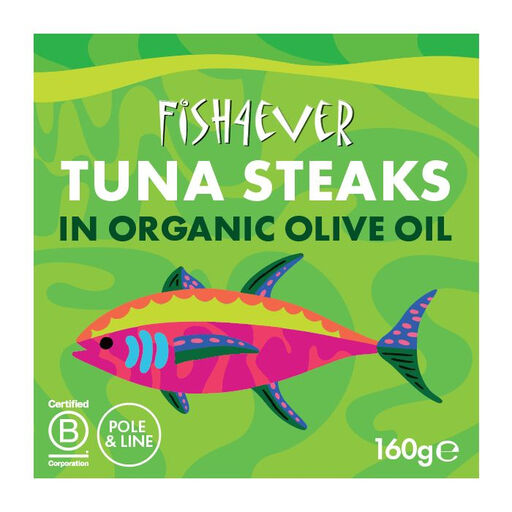 Image unavailable
The steak format is worth considering when you want tuna pieces to remain visible in a plated salad or starter. This 160g tin is packed in organic olive oil, so decide whether that oil belongs in the finished dish.
 Image unavailable
Consider this steak format for a serving where the tuna will remain visible. It is packed in sunflower oil; check whether that matches the dressing or other ingredients you plan to use.
 Image unavailable
These 180g seasoned flakes suit a mixed dish that calls for adobo-style sauce rather than a neutral tuna base. The product information identifies fish, soybeans and wheat as allergens; check the pack against diners’ requirements before serving.
Choose chunks when the tuna will be mixed through pasta, a bake or a filling. Consider steaks for a composed salad or plated starter where you want the pieces to remain visible; the recipe, not the occasion alone, determines which format is useful.
Not necessarily: net weight includes packing liquid. Check the drained weight when planning portions, particularly if you are comparing spring-water tins with other formats.
Yes. Spring-water tuna gives you a base to combine with your own sauce or dressing, while the oil in an oil-packed tin can become part of the finished dish. Read the exact ingredients before substituting one product for another.
The NHS says that people who are pregnant or trying for a baby should have no more than four cans of tuna a week or two tuna steaks a week. This is guidance about intake across the week, so take other tuna servings into account when planning the dinner.