
24/7 Customer Support

Free returns

Same-day & Next-day Delivery

Quality Guaranteed

Unlock Your Welcome Offers: FREE Delivery | Up to 80% OFF | Free 30-day JoyPlus trial
Download the APP
Finding the right tinned tuna can feel like navigating a crowded sea of options. For busy professionals, health-conscious individuals and families across the UK, it's a pantry essential for a reason: it’s convenient, versatile and a fantastic source of protein. But with choices ranging from brine to oil to springwater, how do you decide which tinned tuna chunks are right for your salads, sandwiches and pasta dishes?
This guide is designed to help you understand the key differences between the types of canned tuna available. We will provide practical advice to help you select the perfect option for your culinary needs and nutritional goals, ensuring you can stock your cupboards with confidence.
Before we look at specific products, let's cover a few key points that will make your next shopping trip easier. Understanding these factors will help you choose the best tinned fish for your household.
The liquid the tuna is packed in significantly affects its flavour, texture and nutritional profile.
Tuna in brine is an excellent all-rounder, particularly for dishes where you plan to add your own dressings or sauces, like a tuna mayonnaise filling.tuna in sunflower oil can be very convenient, as the oil can be incorporated into your dish, such as a simple pasta sauce or salad dressing.tuna in springwater is the ideal choice. It contains the lowest number of calories and fat, making it a popular option for those closely monitoring their nutritional intake. This type allows you complete control over the fats and seasonings you add to your meal.Tuna is prepared in several ways, but tinned tuna chunks offer a superb balance of firm texture and versatility. The chunks are large enough to hold their shape in a salad but can be easily broken down for sandwiches. This makes them a more adaptable choice compared to flakes (which are softer and better for smooth fillings) or whole steaks (which are best served as a solid piece).
All tinned tuna is a high protein tinned tuna option, but the other values can vary. When checking the label, pay attention to:
Based on their distinct characteristics and versatility, here are our recommendations for your pantry.
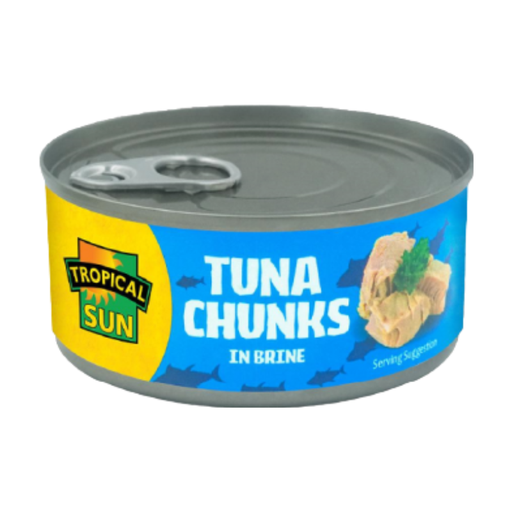
Why It Stands Out: This is a classic pantry staple done right. The tuna is preserved in a simple brine, which enhances the natural seafood flavour without adding extra fats or oils. It offers a firm yet flaky texture that works beautifully in a wide range of dishes.
Pros:
Who is it for? This is a great choice for health-conscious consumers and anyone looking for a reliable, all-purpose tuna in brine for everyday meals. It's perfect for those who like to control the amount of fat and seasoning in their cooking.
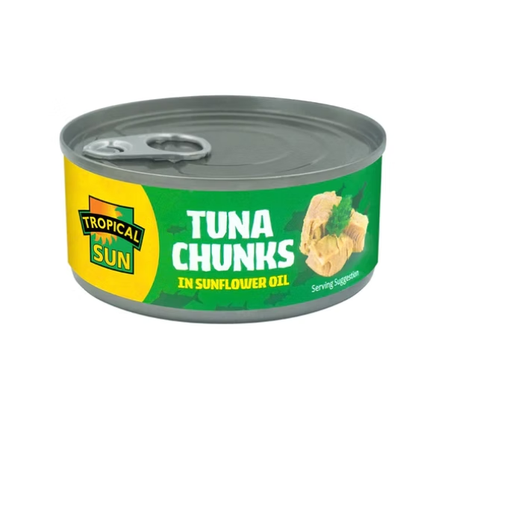
Why It Stands Out: For those who prioritise flavour and a succulent texture, this tuna in sunflower oil is an excellent option. The oil keeps the tuna chunks exceptionally moist and tender, making them ready to be enjoyed straight from the can or mixed into a quick salad.
Pros:
Who is it for? Ideal for individuals who want a ready to eat tuna that requires minimal preparation. It’s perfect for flavourful tuna for sandwiches and salads where a moist texture is desired.
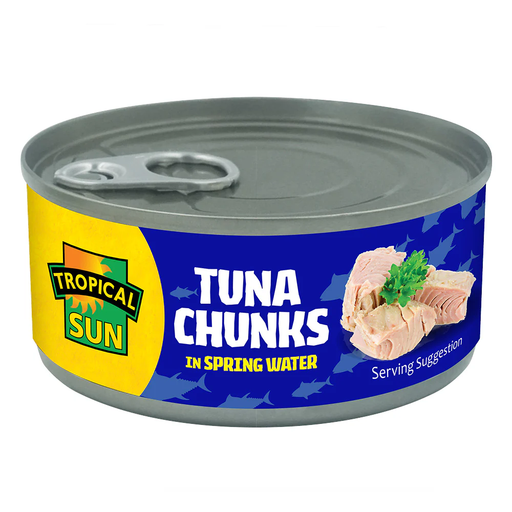
Why It Stands Out: This is tuna in its purest form. Packed in nothing but spring water and a little salt, it delivers a clean, fresh seafood taste. It is exceptionally low in calories and fat, making it the leanest choice available.
Pros:
Who is it for? This tuna in springwater is perfectly suited for anyone on a calorie-controlled diet or those who prefer to have complete authority over the flavour and nutritional content of their meals.
While tinned tuna is a fantastic pantry staple, we know everyone's shopping list is different. If you're exploring other items for your cupboards, from essential tinned fish to specialised products like tropical fish food, you can browse our wider collection to find what you need.
The "healthiest" option depends on your personal dietary goals. For the lowest calories and fat, tuna in springwater is the clear winner. Tuna in brine is also a lean, high-protein choice, though it contains more sodium. Tuna in oil has more calories, but it provides a moist texture and can be part of a balanced diet. All three are excellent sources of protein.
Yes, absolutely. All canned tuna is pre-cooked during the canning process, making it a safe and convenient ready to eat tuna. For the best taste and texture, it's recommended to drain the excess liquid before eating or adding it to your dish.
Tinned tuna chunks are incredibly versatile. They are perfect for classic tuna and mayonnaise tuna for sandwiches, mixed into a fresh Ni?oise salad or baked into a comforting pasta dish. You can also use them to make fish cakes, stuff jacket potatoes or mix them with beans and corn for a quick and nutritious lunch bowl.