Sugar-conscious curry cooks
If you make the sauce separately, the tuna’s per-100g sugars declaration helps you assess what the fish contributes. Check the sauce ingredients separately.


For a curry where you want the tuna itself to add as little sugar as possible, start with a plain tin whose label declares 0g sugars per 100g; a John West spring-water multipack is one documented example. Spring water alone does not establish the sugar or salt value, so check the exact tin, then choose chunks or larger steak pieces according to how you want the fish to sit in the sauce.
If you make the sauce separately, the tuna’s per-100g sugars declaration helps you assess what the fish contributes. Check the sauce ingredients separately.
If preparation time matters, compare chunks with larger pieces and check whether a tin needs draining. Pack size and instructions for storing leftovers may also affect your choice.
If fishing method or certification matters to you, look for a statement on the exact product. A sourcing statement does not establish its sugars or salt value.
Compare the tuna’s nutrition declaration separately from the curry sauce, then decide which format suits the way you will cook and serve it.
| Concern | Buying check | Who it matters to |
|---|---|---|
| Sugars in the tuna | Read “of which sugars” per 100g on the exact tin, noting whether the figure is for drained tuna. | If I make the sauce separately, I want to know what sugar the tuna itself adds; about 50% of consumers put that label check first. |
| Texture and preparation | Choose between chunks and larger pieces; check drained weight and whether draining is required. | When dinner needs little preparation, I want a format that works in my curry; about 30% of consumers make texture and convenience their primary concern. |
| Sourcing information | Look for a fishing-method or certification statement for the exact product, then check its nutrition panel separately. | I want to know how the tuna in this tin was sourced before choosing it; that is the leading concern for about 20% of consumers. |
“Reduced” describes a comparison, not a zero-sugar value. The British Nutrition Foundation explains that a “low sugar” claim for solid food can apply at up to 5g sugars per 100g.
For the tuna’s contribution to your curry, compare the “of which sugars” figures on the exact tins. Check the sauce ingredients separately.
The Joybuy listing for John West Tuna Chunks in Springwater 4 x 125g declares 0g sugars but 0.80g salt per 100g drained.
Read both lines of the nutrition panel, particularly if your sauce also contains salty ingredients.
Tin size and drained weight describe different quantities. Whether the tuna needs draining also affects preparation.
Compare drained weights when planning how much fish to use, and choose chunks for stirring through or larger pieces when you want them to remain visible.
Tesco’s instructions for its Tuna Chunks in Spring Water 4 x 160g call for transferring unused contents to a non-metallic container, covering and refrigerating them.
Follow the instructions on your pack; Tesco specifies using that product within two days of opening.
A spring-water option with a stated sugars value for the specific 4 x 125g multipack listed by Joybuy.
Sainsbury’s lists Princes spring-water chunks and a Drained & Ready to Use tuna steak format.
Tesco lists own-label tuna chunks in spring water in several pack formats.
Sainsbury’s describes its own-label 145g spring-water tuna as pole-and-line caught and from an MSC-certified fishery.
M&S describes its spring-water chunks as pole-and-line caught under its Forever Fish policy and lists an already-drained steak format.
These tinned tuna options cover spring-water chunks, a no-drain chunks format and a 100g canned tuna format for curry-night shopping. Check each tin’s sugars and salt declaration before settling on one.
 No image available
If you want chunks without a draining step, this three-tin format fits that preparation need. Check the exact pack’s sugars declaration and whether its per-100g figure refers to drained tuna or tuna as sold.
 No image available
For curries where you will stir chunks into the sauce across several meals, this pack contains six 145g tins. Compare the current pack’s sugars, salt and drained weight with the other formats you are considering.
 No image available
For a curry where you want a stated zero-sugars value for the tuna, Joybuy lists this four-tin chunks pack at 0g sugars per 100g drained. The same listing declares 0.80g salt per 100g drained, so check that value alongside your sauce ingredients and confirm the current pack label.
 No image available
If one tin better fits the amount of tuna you plan to stir into a curry, this is a 145g chunks format. Read its current sugars and salt values and check the drained weight when comparing usable quantities.
 No image available
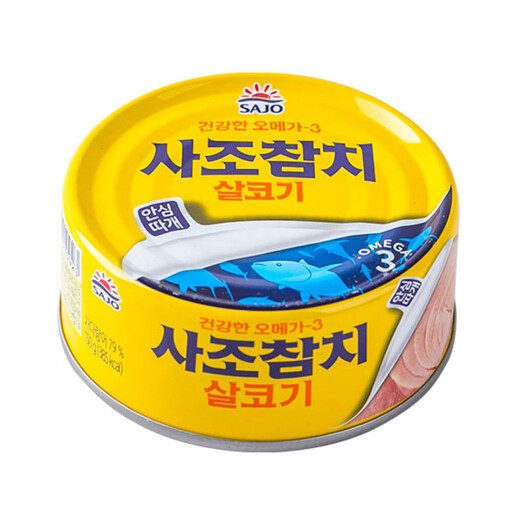
If a 100g tin suits the amount you need, check whether this format fits your curry before choosing it. Confirm the packing liquid, ingredients, sugars and salt on the exact tin; “Light Standard” does not establish any of those values.
No. “Reduced” is comparative, while the British Nutrition Foundation says a “low sugar” claim for solid food can apply at up to 5g sugars per 100g. To assess the tuna you will add to a curry, read the exact tin’s “of which sugars” value.
Not necessarily. Joybuy’s John West Tuna Chunks in Springwater 4 x 125g listing declares 0g sugars per 100g drained, but the packing liquid alone does not establish another product’s value. Compare the nutrition panels of the tins you are choosing between.
Yes; the two values are separate. Joybuy’s John West Tuna Chunks in Springwater 4 x 125g listing declares 0g sugars and 0.80g salt per 100g drained. Check the salt on your chosen tin alongside other ingredients in the curry.
Follow your tin’s storage instructions. For its Tuna Chunks in Spring Water 4 x 160g, Tesco instructs shoppers to transfer unused contents to a covered non-metallic container, refrigerate them and use them within two days.