Cooks plating tuna as the centrepiece
If the tuna will sit visibly on a salad, toast starter or stuffed vegetable, choose its format with the finished plate in mind. M&S sells chunks and an already-drained steak as distinct options.


For a sauce-led dinner, choose tuna chunks in spring water so the sauce or dressing sets the flavour. Choose steak or fillet-style tuna when visible pieces matter on the plate, or oil-packed tuna when its oil belongs in the finished dish. Whatever the format, check the exact tin’s drained weight, ingredients and salt before planning portions and seasoning.
If the tuna will sit visibly on a salad, toast starter or stuffed vegetable, choose its format with the finished plate in mind. M&S sells chunks and an already-drained steak as distinct options.
If pasta sauce, lemon, herbs, capers or mayonnaise will provide the flavour, consider how the tuna’s preserving liquid will affect the dish. Princes offers chunks in spring water, brine and sunflower oil.
If tuna is often in your cupboard, compare the species, preserving medium, salt and product-specific sourcing information. The NHS also distinguishes fresh and canned tuna from oily fish in its fish guidance.
Decide whether the tuna will be mixed into a dish or remain visible, then choose a preserving liquid that fits the recipe. For a dinner for two, use drained weight rather than the tin’s net weight to work out how much tuna you have.
| Concern | What to check | Who this matters to |
|---|---|---|
| Appearance and texture | Check whether the tin contains chunks, steak, fillets or a no-drain format; these descriptions do not promise identical pieces. | If the tuna will be visible on a starter or plated main, I want pieces that suit the presentation rather than tuna intended mainly for mixing. About 31% of consumers put the dish’s appearance and texture first. |
| Flavour and preserving liquid | Read the ingredients and salt declaration on the exact tin. Decide whether spring water, brine or oil fits the dressing or sauce. | When I am building the flavour with my own sauce or dressing, I want the preserving liquid to work with it, not change its direction. Flavour control is the primary need for about 31% of consumers. |
| Portions and preparation | Compare drained weight with the recipe quantity, and check whether the product needs draining. | For a quick dinner for two, I need enough tuna without discovering that much of the stated tin weight is liquid. About 23% of consumers chiefly need a suitable portion with little preparation. |
| Sourcing information | Look for a specific certification or sourcing statement on the product being bought, rather than relying on the brand name. | If sourcing determines which tin I choose, I need a claim I can identify on that particular product. Product-level sourcing information comes first for about 15% of consumers. |
The weight printed most prominently on a tin can include its liquid. Tesco lists its spring-water four-pack as 4 x 145g net but 4 x 10²g drained, a meaningful difference when following a recipe.
Work from the drained weight when deciding how many tins the dinner needs.
For the cited Princes chunks, the sunflower-oil version lists 180kcal and 9.5g fat per 100g drained; the spring-water version lists 99kcal and 0.5g fat on the same basis. The oil also changes what goes into the dish if you use it.
Choose the liquid alongside the recipe: spring water leaves the dressing to you, while oil can be used deliberately in an oil-led dish.
Princes lists water and salt in its brine-packed chunks, with 0.9g salt per 100g drained. Capers, olives or anchovies can also contribute salt to a finished dish.
Mix the drained tuna with the other ingredients, taste, then decide whether to add salt.
Its cited tuna-chunk products offer a choice of spring water, brine or sunflower oil.
The Tesco tinned-tuna listing includes John West no-drain chunks and steak products in several preserving liquids.
Its cited own-label four-pack contains skipjack tuna chunks in spring water.
The cited range includes spring-water chunks and an already-drained tuna steak.
These tins cover chunks and steaks for sauce-led or plated dinners, with spring water, brine and oil among the preserving liquids. Choose by the dish you intend to make, then check the pack for the portion you need.
 No image available
For a quick salad or a dish with its own dressing, these spring-water chunks offer a no-drain format. Check the pack’s tuna quantity when planning portions; the 100g tin size is not a stated drained weight. Contains fish.
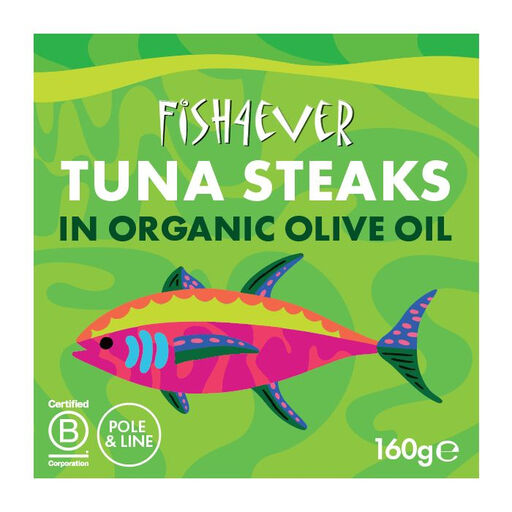 No image available
The steak format suits a serving where the tuna remains visible, while the listed organic olive oil can be incorporated into the dish. The listed ingredients include skipjack tuna and sea salt. Check drained weight on the tin before portioning; contains fish.
 No image available
Consider this steak format for a plated dish where sunflower oil suits the other ingredients. The listed net quantity is 160g; use the drained weight on the can, rather than net weight, to plan the recipe. Contains fish.
 No image available
These sunflower-oil chunks suit a mixed dish where you intend to use the oil. The pack contains four 125g tins; check each tin’s drained weight when scaling a recipe. The listing states 0.90g salt per 100g drained and notes that some bones may remain. Contains fish.
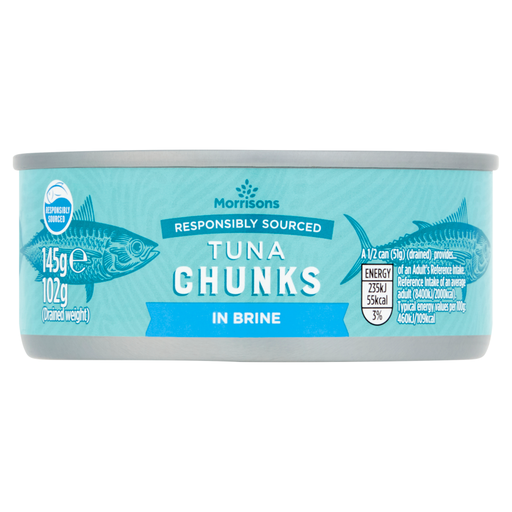 No image available
These brine-packed skipjack chunks can be mixed into a salad or pasta dish with its own dressing or sauce. The listed ingredients are tuna, water and salt, with 0.9g salt per 100g drained; taste before adding more salt. The 145g quantity is net weight, so check drained weight for portions. Contains fish; some bones may remain.
Choose spring water if your own sauce or dressing will lead, oil if you want to use it in the finished dish, or brine if that liquid fits the recipe. Check salt before seasoning: Princes lists 0.9g salt per 100g drained for its cited brine-packed chunks.
No. The NHS says fresh and canned tuna do not count as oily fish, regardless of the preserving liquid in the tin.
Follow the storage instructions on the particular product. The cited Tesco and M&S products instruct shoppers to transfer unused tuna to a covered, non-metallic container, refrigerate it and eat it within two days.
Look for a certification mark or a specific sourcing statement on the tin you are buying, rather than assuming it applies across a brand. Tesco makes an MSC-certified-fishery statement for its cited spring-water chunks; the Marine Stewardship Council says certified tuna products are available in the UK and Ireland.