Meal planners comparing usable quantities
If tuna is a regular lunch or family-meal ingredient, the drained quantity tells you more about how much tuna you can serve than the total contents of the tin.


Plain tuna in spring water is a straightforward starting point when you want to assess the tuna separately from the rest of a diabetes-friendly meal. Compare the exact tin’s carbohydrate and salt labels and its drained quantity; a multipack or no-drain format is useful only if its portions suit how you eat. Diabetes UK notes that the type and amount of carbohydrate in the whole meal matter, so the tuna label alone cannot settle the meal choice.
If tuna is a regular lunch or family-meal ingredient, the drained quantity tells you more about how much tuna you can serve than the total contents of the tin.
You want to check plain tuna alongside the sauces and carbohydrate-containing foods in the meal. Diabetes UK says there is no single diabetes diet and that carbohydrate type and amount affect blood glucose management.
A no-drain format, particular pack size, catch-method statement or seafood certification may influence your choice. Check that the feature applies to the exact product you pick.
Assess the tuna as one ingredient in the meal, then check how much usable tuna the pack contains and which label details matter to you.
| Concern | What to check | Who this matters to |
|---|---|---|
| Meal composition | Read carbohydrate per 100g on the exact tuna label; assess sauces and carbohydrate-containing accompaniments separately. | If I am putting tuna in a sandwich or pasta dish, I need to consider the other ingredients as well as the fish. About 42% of consumers put meal composition first. |
| Usable quantity | Compare drained weight rather than total tin weight, and choose a pack size you can use. | For regular lunches, I want to know how much tuna remains after draining and whether I will use every opened portion. Usable quantity is the primary concern for about 42% of consumers. |
| Salt, format and sourcing | Check salt per 100g and the exact pack’s opening format or sourcing statement. | If I have a particular salt preference or want a no-drain tin or stated catch method, those details shape my choice. They come first for about 16% of consumers. |
Packing liquid contributes to a tin’s stated weight but not to its drained tuna quantity. Tesco Groceries lists a 145g spring-water tin with a drained weight of 102g.
Check the drained-weight statement when comparing the amount of tuna in different formats.
Salt figures vary between the specific spring-water products listed by Tesco Groceries, ASDA Groceries and Sainsbury’s.
Read salt per 100g on the exact tin, rather than relying on its packing-medium description.
Diabetes UK explains that carbohydrate type and amount matter to blood glucose management. Bread, pasta, rice, potatoes and sauces can change the composition of a tuna meal.
Consider the complete meal and use your own care team’s advice if you need individual carbohydrate guidance.
An opened tin creates leftovers even when the unopened pack stores conveniently.
Choose a can size that fits your portions and follow its storage instructions after opening.
The checked Tesco and Asda spring-water listings instruct shoppers to refrigerate unused contents and use them within two days.
Own-label spring-water tuna in single tins and multipacks.
Own-label spring-water and sunflower-oil multipacks.
An own-label spring-water option for shoppers comparing individual tuna labels.
Branded tuna offered in spring-water formats.
Branded spring-water tins, including a no-drain format.
Spring-water tuna for shoppers interested in a stated catch method.
These tins cover spring-water singles and multipacks, a no-drain spring-water pack and a brine multipack. Choose by the format and portion size you will use, then check the exact label against the rest of your meal.
 No image available
Consider this spring-water multipack if avoiding a draining step matters to you. It contains three 100g cans; check the exact nutrition label before comparing it with drained-weight figures for other formats.
 No image available
This four-can spring-water pack suits meal planning when 125g cans fit your portions. Compare its stated drained quantity and exact label with other pack sizes.
 No image available
Six 145g spring-water cans may suit households that use tuna across several meals. Consider whether that pack quantity matches your usage, and check each opened can’s storage instructions.
 No image available
A single spring-water can is worth considering if a multipack would exceed what you use. The stated 145g is the can size; check its drained-weight statement when comparing usable quantities.
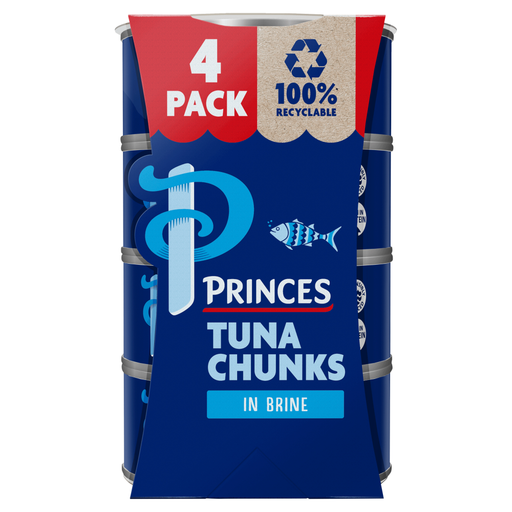 No image available
This four-can option suits shoppers who prefer tuna in brine. Check its salt label directly rather than assuming the packing medium tells you how it compares with a spring-water tin.
Not on its own. Diabetes UK says there is no single diabetes diet and that carbohydrate type and amount affect blood glucose management. Assess the accompaniments, sauces and portions in the complete meal.
Choose the packing medium that fits the dish, then compare exact labels. In the checked ASDA Groceries products, sunflower-oil tuna listed 160 kcal and 6.4g fat per 100g drained, versus 109 kcal and 1.0g fat for spring-water tuna. The checked Asda brine and spring-water multipacks both listed 0.90g salt per 100g drained, so brine alone does not establish the salt difference.
Use drained weight when the product includes packing liquid, rather than comparing total can weights alone. Tesco Groceries lists a 145g spring-water tin with 102g drained weight; check the corresponding statement on any other format you are considering.
Follow the exact product’s storage label. The checked Tesco Groceries and ASDA Groceries spring-water listings instruct shoppers to transfer unused contents to a suitable non-metallic container, cover and refrigerate them, and use them within two days.
Yes. The Food Standards Agency’s November 2024 guidance says pregnant people should have no more than four cans of tuna a week or two tuna steaks a week. This is pregnancy-specific guidance, not a general rule for everyone choosing tuna for a diabetes-friendly meal.