Weeknight cooks short on preparation time
For pasta, jacket potatoes, salads or sandwiches, the choice is whether draining a standard tin fits the time available or a no-drain format is worth seeking out.


For a quick dinner, choose a single spring-water tin if you can drain it and want to decide how to dress or season the tuna. A no-drain format removes that step, but check whether it is sold as one tin or a multipack; choose oil-packed tuna when its flavour suits the dish, and compare the nutrition labels for the exact products. For any standard tin, check drained weight rather than relying on the net weight to plan the meal.
For pasta, jacket potatoes, salads or sandwiches, the choice is whether draining a standard tin fits the time available or a no-drain format is worth seeking out.
A single tin avoids choosing a multipack, but the net weight does not tell you how much fish remains after draining. Check the drained weight against the portion you plan to use.
Salt values and sourcing statements belong to specific products. Compare the nutrition panel and any certification or fishing-method claim on the tin you intend to buy.
Start with the amount of tuna the meal needs, then decide whether draining, the packing liquid and the label details work for your recipe.
| Priority | What to check | Your needs |
|---|---|---|
| Preparation | Check whether the tin needs draining and whether the format is sold singly or in a multipack. John West describes its no-drain spring-water chunks as ready to use. | I want to add tuna straight to a salad or pasta, or I have time to drain a standard tin. |
| Usable portion | Compare drained weight, not just net weight. Tesco Groceries lists 102g drained for its 145g spring-water tin; Marks & Spencer lists 120g drained for its 160g tin. | One tin needs to provide enough fish for the meal I am making, particularly if I am sharing it. |
| Packing medium | Check for spring water, oil or added seasoning. John West lists 170kcal and 6.9g fat per 100g for its no-drain sunflower-oil chunks; compare the exact labels if nutrition affects your choice. | Spring water leaves me to choose the sauce or dressing; oil or seasoning may suit a dish where I want that flavour already in the tin. |
| Salt | Compare values on the same basis. Sainsbury's lists 0.12g salt per 100g drained for its spring-water chunks, while Asda lists 0.90g per 100g drained for its own product. | If salt matters to my choice, I will read the value for this particular tin rather than assume every spring-water version is alike. |
| Sourcing | Look for the claim on the exact tin. The Marine Stewardship Council says its blue ecolabel applies to wild seafood from fisheries certified to the MSC Fisheries Standard. | I want a stated certification or fishing-method claim that I can identify on the product I take home. |
A tin's net weight includes its liquid. Tesco Groceries lists 102g drained fish in its 145g spring-water tin, while Marks & Spencer lists 120g drained in its 160g tin.
Use drained weight to work out whether one tin is enough for the planned meal.
Sainsbury's lists 0.12g salt per 100g drained for its spring-water chunks; Asda lists 0.90g per 100g drained for its own spring-water chunks.
Read the salt value on the exact tin and compare values stated on the same per-100g basis.
Oil changes both the flavour and the nutrition panel. John West lists 170kcal and 6.9g fat per 100g for its no-drain sunflower-oil chunks.
Check whether that packing medium suits the sauce or dressing you plan to add, and compare labels if the nutrition values matter to you.
These examples describe particular tins or ranges; check the variant on the shelf before applying a figure or sourcing statement to your choice.
Its no-drain chunks are relevant when skipping the draining step matters to dinner preparation.
Its 145g spring-water chunks are a conventional tin for meals where draining is manageable.
Its 145g spring-water chunks provide a standard single-tin format.
Its 145g spring-water chunks may interest shoppers comparing salt values on individual tins.
Its 145g spring-water chunks are another standard-tin option when draining fits the recipe.
Its 160g spring-water tin is relevant when the planned meal calls for a larger drained portion.
These single tins cover plain spring-water chunks and flavoured tuna. Choose by the dish you are making, and check the can for drained weight and ingredients where those details affect your meal.
 No image available
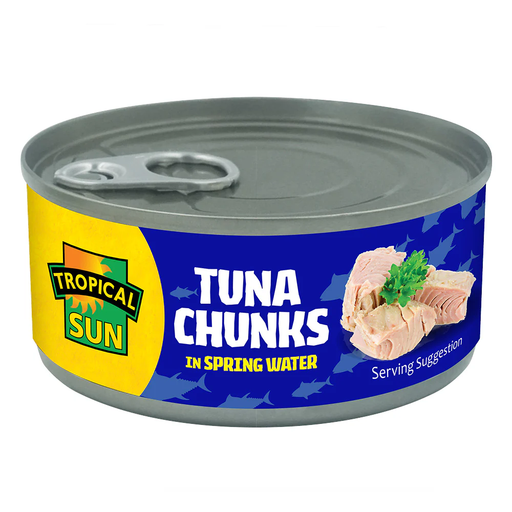
A single spring-water chunks tin for a meal where you can drain the tuna. Check the drained weight on the can if you need a particular amount of fish.
 No image available
This single spring-water tin has a 160g net weight. If the amount of fish matters to your recipe, use the drained weight on the can rather than the net weight.
 No image available
Choose these seasoned flakes if a hot-and-spicy flavour suits the dish, rather than substituting them for plain chunks without checking. Read the can for ingredients, allergens and the usable portion.
 No image available
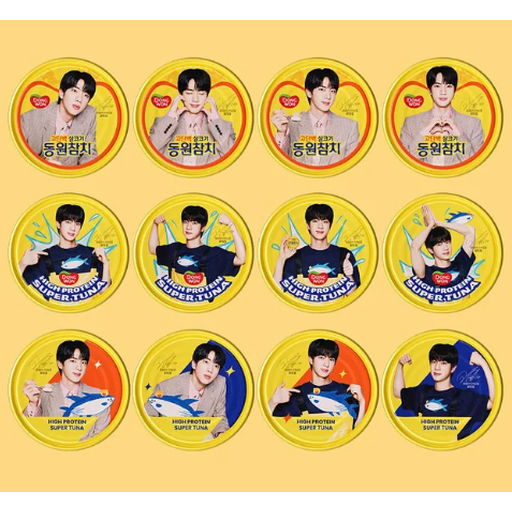
This single 150g tin is an original-flavour option for a quick meal; the special-edition design is sent at random. Check the can's ingredients and drained weight if either matters to your recipe.
No. The NHS states that fresh and canned tuna do not count as oily fish. If you are following its advice to include an oily-fish portion, do not count a tuna dinner as that portion.
The Food Standards Agency advises people who are pregnant or trying for a baby to have no more than four cans of tuna a week, or two tuna steaks a week. Check its guidance when planning how often to have tuna; do not assume that different tin sizes can be converted into an exact allowance from the front-of-pack weight alone.
Follow the storage and use-by-after-opening instructions on the exact tin. If keeping leftovers, transfer them to a suitable non-metallic container and refrigerate them as directed on the label.
Check the ingredient and allergen information on the tin: tuna is fish, and other ingredients depend on the product. Also check for any warning about bones, particularly if the meal is for someone who needs bone-free food.
The Marine Stewardship Council says its blue ecolabel applies to wild seafood from fisheries certified to the MSC Fisheries Standard. Look for the label on the specific tin you are buying rather than assuming it applies to every product from a brand.