Spring-water tuna chunks are a practical starting point for an easy-chew meal if you can break them up and mix them into a soft, moist dish; compare pack size, drained weight and the salt listed on the exact product when judging value. Flake-containing or already-drained formats can reduce preparation, but neither the tin format nor a tender-texture description establishes that the finished meal meets an individual's needs. NHS and IDDSI easy-to-chew guidance centres on the prepared food and does not replace individual advice where swallowing or choking risk has been identified.
Who is choosing this tuna?
Value-focused meal planners
If you keep tuna for moist pasta, potato dishes or sandwich-style fillings, the amount of tuna after draining matters alongside pack size and salt. The Tesco, Sainsbury's and Asda product information gives examples of why the exact pack is worth checking.
People preparing softer meals
NHS and IDDSI guidance describes easy-to-chew food as soft and tender. If a meal needs to follow individual texture guidance, assess the prepared dish rather than relying on the word “tender” on a tin. An identified swallowing or choking risk calls for individual professional guidance.
Low-preparation meal makers
Princes describes its Sandwich Tuna as a mix of chunks and flakes, while M&S describes a tuna steak that is already drained. These formats can remove a preparation step, although the finished meal still needs a texture and bone check.
What matters when choosing?
If you are preparing a meal to meet IDDSI Level 7 Regular Easy to Chew guidance, choose the tin for the recipe you can make, then assess the softness and moisture of the finished food. An identified swallowing or choking risk requires individual guidance rather than a choice based on tin format.
| Concern |
What to check |
Who this matters to |
| Usable tuna quantity |
Compare pack sizes and stated drained weights when your recipe calls for tuna after the liquid is removed. |
If I am planning several moist meals, I need to know how much tuna each pack contributes after draining. About 34% of consumers put usable quantity first. |
| Finished-meal texture |
Break up the tuna, inspect for bones and check the prepared dish against the applicable easy-to-chew guidance. |
When I am making food for someone who needs softer mouthfuls, the completed meal must be soft and moist, not merely labelled tender. Roughly 33% of consumers make finished-meal texture their primary concern. |
| Salt and ingredients |
Read salt per 100g on the exact tin and its ingredients list; consider the other ingredients added to the dish. |
If I want to choose by the listed salt content, I cannot assume every spring-water tin is alike. About 20% of consumers place the salt and ingredients check ahead of the other factors. |
| Preparation steps |
Check whether the tuna contains flakes or is already drained, then assess the dish after mixing. |
On days when draining or breaking up tuna is inconvenient, I want a format that removes a step. Around 13% of consumers prioritise preparation convenience. |
Checks that are easy to miss
-
Assuming spring water means less salt
The checked Sainsbury's spring-water chunks list 0.12g salt per 100g drained; the checked Tesco and Asda spring-water chunks each list 0.90g on the same basis. The liquid description alone does not tell you the salt figure.
Read the nutrition information on the exact variant and consider what else will go into the meal.
-
Judging easy-chew suitability from the tin
NHS and IDDSI guidance concerns the prepared food. Chunks or flakes still need to form a soft, moist meal that meets the texture guidance applicable to the person eating it.
Break up and mix the tuna, then check the finished dish. Follow individual professional advice where swallowing or choking risk has been identified.
-
Overlooking possible bones
Asda and M&S product information warns that bones may remain. A description such as “chunks” or “flakes” does not remove the need to check the food.
Inspect and break up the tuna before adding it to an easy-chew meal.
-
Using can weight as the recipe quantity
The amount printed prominently on a tin can include liquid. A recipe based on tuna after draining calls for the stated drained weight instead.
Compare the drained quantity on the packs you are considering, and decide whether an already-drained format would remove a useful preparation step.
Brands and formats to consider
Tesco
Tesco describes its spring-water skipjack chunks as tender; they are a chunk format to consider for meals in which the tuna will be broken up and moistened.
- The checked multipack contains 4 × 145g tins and states 4 × 10²g drained weight.
- The checked product lists 0.90g salt per 100g drained. Tender chunks do not establish the texture of a finished meal.
Sainsbury's
The checked own-label spring-water chunks offer a different listed salt figure from the Tesco and Asda examples.
- The checked 4 × 145g pack lists 0.12g salt per 100g drained.
- The salt figure belongs to that product and variant; check the tin you choose and the ingredients used in the finished dish.
Asda
Asda's checked spring-water chunks provide another 4 × 145g multipack format for meals where the tuna will be mixed into a moist dish.
- The checked product lists 0.90g salt per 100g drained.
- Asda warns that some bones may remain despite care in preparation. Inspect and break up the tuna before serving.
John West
John West has spring-water chunks and a separately named No Drain format; check which product and pack you are comparing.
- The checked 4 × 125g spring-water chunks list tuna, spring water and salt as ingredients.
- That checked product warns that bones may remain. A standard spring-water pack should not be treated as the No Drain variant.
Princes
Princes lists spring-water chunks in several pack sizes and a distinct Sandwich Tuna made from chunks and flakes.
- According to Princes, the Sandwich Tuna format combines chunks and flakes, which can reduce breaking-up when making a filling.
- Smaller pieces alone do not establish that the completed filling meets an individual easy-to-chew requirement.
M&S
M&S offers spring-water chunks and a separately listed, already-drained tuna steak for different preparation preferences.
- M&S describes its 360g tuna steak as already drained and naturally flaky.
- Its spring-water chunks warn that bones may remain; inspect the tuna and check the finished meal's texture.
Tinned tuna on Joybuy
These packs include spring-water and brine chunks for moist meals, a No Drain option and larger bundles for planned use. Compare the stated pack and drained quantities for your recipe; whichever format you choose, inspect the tuna and check the prepared dish.
 No image available
John West No Drain Tuna Chunks in Springwater, 3 × 100g
The No Drain format suits a filling or moist dish when draining a tin is inconvenient. This pack contains three 100g portions of spring-water tuna chunks; break up and inspect the tuna, then check the texture of the completed meal.
View on Joybuy
 No image available
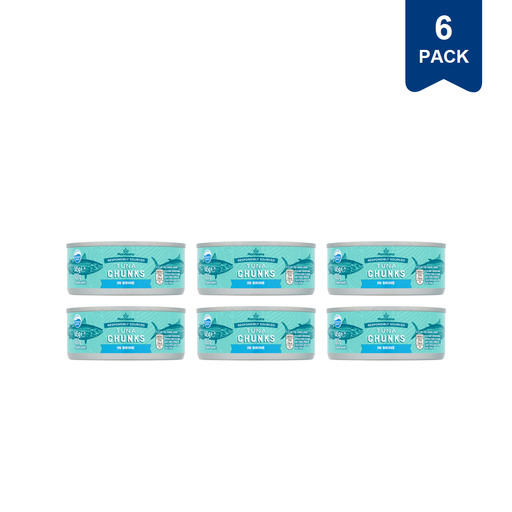
Morrisons Fad Free Tuna Chunks in Brine, 6 × 145g
This six-tin brine pack is an option for planning several tuna meals. Break up the chunks for a moist dish and inspect them before serving; the product information warns that some bones may remain. Use the stated drained weight when working out how much tuna a recipe needs.
View on Joybuy
 No image available
Morrisons Fad Free Tuna Chunks in Spring Water, 6 × 145g
This six-tin spring-water pack suits meal planning when chunks will be broken up and mixed into a moist dish. Check the exact tin's drained weight and salt listing, inspect the tuna for bones and assess the finished meal's texture.
View on Joybuy
 No image available
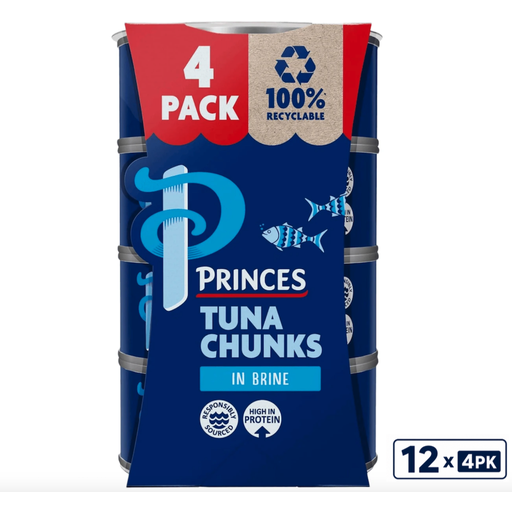
Princes Tuna Chunks in Brine, 12 × (4 × 145g)
The stated bundle suits a plan that calls for multiple packs of brine tuna chunks. Its format is 12 packs of four 145g tins; check the quantity against your intended use. The product information notes that small bones may remain, so inspect and break up the tuna before mixing it into a moist meal.
View on Joybuy
 No image available
John West Tuna Chunks in Springwater, 4 × 125g
These spring-water chunks can be broken up for a moist tuna dish. The pack contains four 125g tins; check the drained quantity for your recipe. This is a different product from John West No Drain Tuna Chunks, so do not assume the same preparation steps.
View on Joybuy
Common questions
Can tinned tuna be used in an easy-chew meal?
Tinned tuna can be part of a meal prepared for someone for whom IDDSI Level 7 Regular Easy to Chew is appropriate, provided the finished food meets their texture guidance. NHS and IDDSI guidance calls for soft, tender food; break up and moisten the tuna, remove any bones and check the prepared mouthful. Seek individual professional guidance if swallowing safety or choking risk has been identified.
Are flakes easier to use than chunks or tuna steak?
Flakes may need less breaking-up for a filling, but no tin format establishes the texture of the completed meal. Princes describes its Sandwich Tuna as a mix of chunks and flakes, while M&S describes its already-drained steak as naturally flaky. Inspect whichever tuna you use and check the dish after mixing.
How should I keep tuna left over from an opened tin?
Follow the storage directions on the exact product. The checked Tesco, Asda and M&S product instructions call for unused tuna to be transferred from the can into a suitable container and refrigerated; check your tin for its stated time limit.
Is there UK guidance on tuna during pregnancy?
Yes. The Food Standards Agency advises people who are pregnant or trying for a baby to have no more than four cans of tuna a week or two tuna steaks a week. Check the size and form of the tuna you are using rather than treating cans and steaks as interchangeable.


