Cooks who want tuna to stand out
For salads, toast toppings and simple meals, intact steaks or fillets can remain visible rather than disappearing into a mixture. Marks & Spencer and Tesco list formats suited to this kind of meal.


Stock steaks or fillets when the tuna will remain visible in a salad, on toast or in another simple meal; standard chunks suit dishes where it will be broken up and mixed in. Choose the packing medium for the dish, compare drained weights across packs, and check storage instructions before stocking up.
For salads, toast toppings and simple meals, intact steaks or fillets can remain visible rather than disappearing into a mixture. Marks & Spencer and Tesco list formats suited to this kind of meal.
For sandwiches, pasta bakes and family meals, chunks may provide the format needed without relying on intact presentation. Compare drained weights when choosing between tins and multipacks.
John West describes its no-drain tuna as ready to use without draining and offers a resealable fridge-pot format. Check the exact pack’s instructions for any tuna left after opening.
Start with the meal you expect to make, then check the format, drained weight, packing medium and instructions on the particular pack.
| Concern | What to check | Who this matters to |
|---|---|---|
| Texture and presentation | Look for fillets, steaks or chunks; check whether the packing medium suits the finished dish. | When tuna stays visible in a salad or on toast, I want recognisable pieces rather than tuna that breaks into the mixture. About 33% of consumers put texture and presentation first. |
| Usable quantity | Compare drained weight and pack count, particularly across different can sizes and liquids. | When I use tuna regularly in sandwiches and bakes, I need to know how much fish each pack provides. For about 25% of consumers, usable quantity is the primary concern. |
| Preparation and storage | Confirm that a pack is labelled no-drain or resealable, and read its after-opening instructions. | For a quick lunch, I would rather open a pack without draining it, but I still need a plan for leftovers. Ease of preparation comes first for about 25% of consumers. |
| Ingredients and sourcing | Read the exact ingredients and nutrition panel; check any stated catching method on the product. | If the packing medium, dietary limits or stated sourcing method guides my choice, I need details for the tin I will use. About 17% of consumers put those checks first. |
Oil, brine or water contributes to the stated net weight, so two packs of the same size need not contain the same quantity of tuna.
Compare drained weights on the labels, then decide which format suits the meals you intend to make.
The presentation of a steak or fillet is less relevant once it is stirred into tuna mayonnaise or a pasta bake.
Keep steaks or fillets for meals where you want larger pieces; consider chunks for mixed recipes.
The packing medium affects how tuna works in a dish, and ingredients and nutrition values differ between products.
Check the particular tin’s ingredients and per-100g nutrition panel rather than assuming another product’s values apply.
Best-before dates and after-opening instructions matter when tins are stored for later meals. Food Standards Scotland advises following the storage information on the label.
Rotate pantry stock and check the exact pack’s refrigeration and open-life instructions before saving leftovers.
Its no-drain tuna steaks and fridge pots are relevant when quick preparation matters.
Its range includes chunks and Ocean Select yellowfin tuna-steak variants for different uses.
Its own-label chunks and steaks offer formats to compare alongside other tuna in its range.
Its tinned-fish range includes Collection fillets and loins as well as chunks and steaks.
These Joybuy selections cover olive-oil fillets and steaks for meals where the tuna stays visible, plus no-drain chunks for quick lunches and mixed dishes.
 No image available
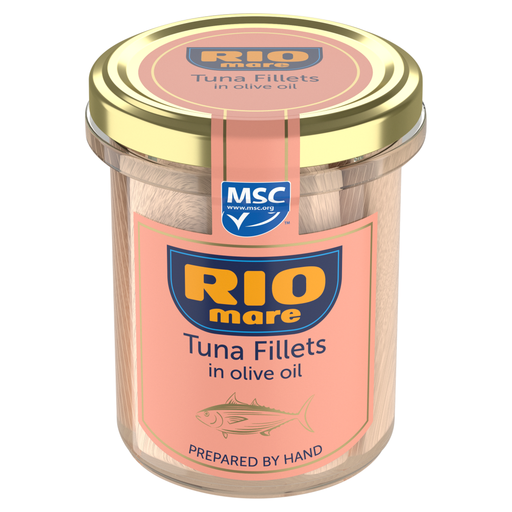
A fillet format for salads or simple meals where the tuna remains visible. The jar is labelled 180g and packed in olive oil; check its storage instructions before adding it to pantry stock.
 No image available
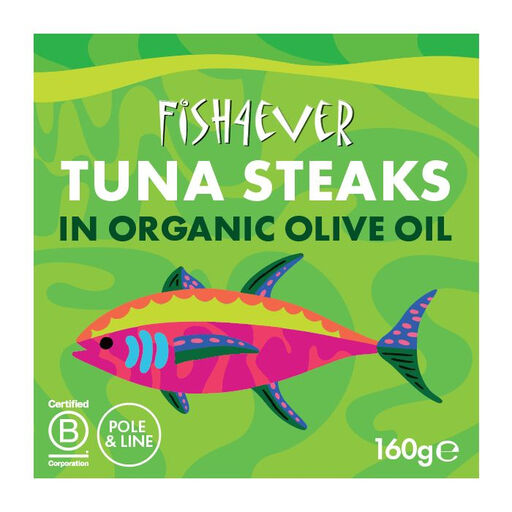
A steak format for a meal where you want larger pieces of tuna. The pack is labelled 160g and packed in olive oil. Refrigerate after opening and consume within two days, as directed in the product information.
 No image available
No-drain chunks suit quick lunches and dishes where intact fillets are unnecessary. This pack contains three 100g cans. The product information says to refrigerate after opening, consume within two days and be aware that some bones may remain.
No. Oil-packed tuna suits a dish where you want that packing medium, while spring water offers a plainer base. Check the exact ingredients and nutrition panel: values for one tuna product do not establish those of another.
Compare drained weights to see how much tuna each pack contains, then consider whether you want chunks, steaks or fillets. Tesco displays drained-weight information for many products in its tuna range.
Follow the exact pack’s storage and open-life instructions. Food Standards Scotland advises checking the label; Marks & Spencer instructs shoppers to transfer unused spring-water chunks to a non-metallic container, refrigerate them and eat them within two days. Another product may give different directions.
Account for how often the tuna will be eaten, not just how many tins fit in the cupboard. The NHS advises people who are pregnant or trying for a baby to have no more than four cans of tuna a week or two tuna steaks a week.
Check the ingredients and allergen information, best-before date, and storage directions on each pack. Food Standards Scotland advises following the label for storage and after-opening use; rotate unopened stock so earlier-dated tins are used first.