Plated-dinner hosts
If the tuna will be visible in a starter or salad, you may want fillets, loins or steak-style pieces that can be arranged on the plate. The product descriptions from M&S, Asda and Sainsbury’s illustrate these different cuts.


For an anniversary dish that puts tuna on show, choose intact fillets or steak-style pieces in olive oil when you want the fish and its packing oil to shape the plate. Spring-water tuna leaves more of the flavour to your dressing or sauce. Check the species, drained weight and any sourcing statement on the individual pack rather than relying on a premium label.
If the tuna will be visible in a starter or salad, you may want fillets, loins or steak-style pieces that can be arranged on the plate. The product descriptions from M&S, Asda and Sainsbury’s illustrate these different cuts.
Your dressing or sauce determines whether olive oil should contribute to the dish or whether spring-water tuna gives you more control over the final flavour. Princes lists both spring-water chunks and flavoured yellowfin-steak products.
If a catching method or fishery certification matters to you, look for the claim on the exact product. Asda and Sainsbury’s list MSC claims for particular tuna products, while M&S describes its tuna steak as pole-and-line caught.
Decide whether the tuna’s appearance or its role in the recipe comes first, then compare the cut, packing liquid and label details on that basis.
| Concern | What to check | Who this matters to |
|---|---|---|
| Pieces for plating | Look for fillets, loins or steak-style pieces; check the drained weight when planning portions. | If the tuna is the visible centre of a starter, intact pieces matter more to me than a format intended to be mixed into a filling. About 36% of consumers put plated presentation first. |
| Flavour and packing liquid | Read the ingredients for olive oil, spring water or added flavourings; check that the seasoning fits the dish. | When the tuna is served with little dressing, I want its packing liquid to work with the rest of the menu. For about 29% of consumers, flavour and menu matching are the primary concern. |
| Species and sourcing | Check the species and the precise wording of any MSC, catching-method or traceability claim on the product. | I want to know which fish I am serving and what sourcing claim applies to this pack, without assuming the claim predicts its taste. Sourcing transparency comes first for about 21% of consumers. |
| Control over seasoning | Confirm the packing liquid and compare fat and salt per 100 g on the same basis, such as drained product. | If I am making a separate dressing, I want to decide how much oil and seasoning the finished dish contains. About 14% of consumers primarily seek that control. |
A steak-style product can use a different species from a fillet product, and a sourcing statement may apply to only one item in a range.
Read the species, cut, packing medium and any certification wording on the exact pack before choosing it for the menu.
A jar or tin can contain packing liquid as well as fish. Total pack sizes alone may therefore give a misleading basis for planning servings.
Use the drained weight where it is given, and check how many portions the pack needs to provide.
Olive oil or built-in flavouring will become part of the finished dish. A sauce-led recipe may call for a different packing liquid from a simply dressed starter.
Plan the tuna, dressing and garnishes together; compare ingredient lists and nutrition panels on a like-for-like basis.
Storage instructions change after opening, and some tuna products warn that bones may remain.
Follow the pack’s instructions for transferring and refrigerating leftovers, and check the tuna before serving.
These ranges show different ways to choose a dinner ingredient; the cut and ingredients still need checking product by product.
John West offers tuna-steak formats for recipes that need larger pieces.
The Princes range includes spring-water chunks, steaks and flavoured Ocean Select yellowfin steaks.
Tesco lists own-label and branded tuna in several cuts, including Tesco Finest albacore steak.
Taste the Difference includes albacore fillets and steak in extra-virgin olive oil.
Asda lists Rio Mare tuna fillets in olive oil as a branded fillet option.
M&S lists tuna steak in olive oil alongside other cuts in its tinned-fish range.
These Joybuy selections cover olive-oil-packed fillets and steak-style tuna for a dinner where the fish remains visible. Choose between them by the cut you want to serve, and check drained weight when planning portions.
 No image available
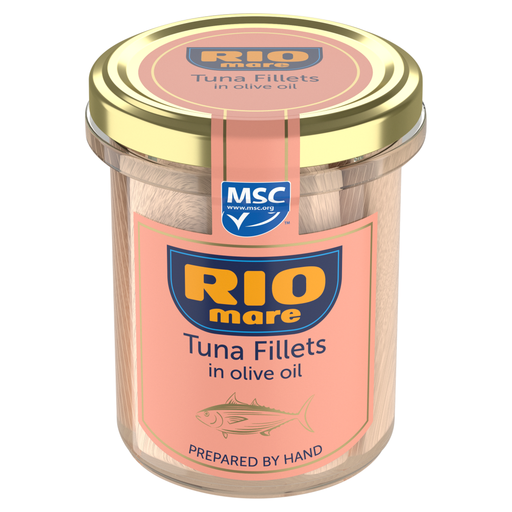
The fillet cut suits a starter or salad where you intend to leave the tuna in visible pieces. The 180 g figure is the jar’s pack size; check its drained weight to plan portions. If fishery certification matters to you, check the current product label for the claim that applies to this jar.
 No image available
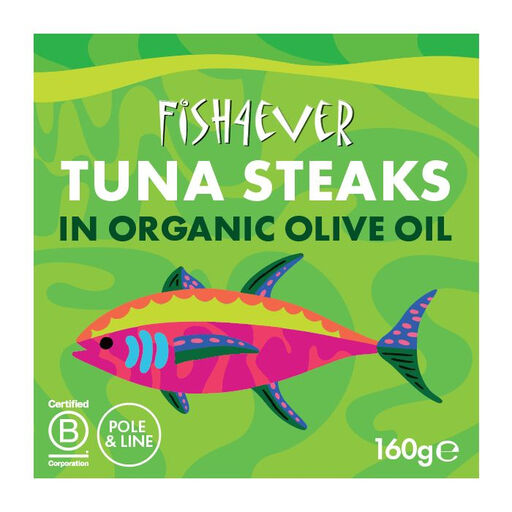
Choose the steak-style cut if you want larger pieces for a plated dish but do not need whole fillets. The product name specifies organic olive oil and a 160 g pack; check the drained weight before deciding how many packs to serve. Check the label separately if a particular fishing method or fishery certification is important to you.
Choose fillets if you want intact pieces to arrange on the plate; a steak-style tin suits a dish where larger flaky pieces will also work. Check the cut, species and drained weight of the individual product rather than assuming that either format describes every other detail.
Olive-oil-packed tuna fits a simply dressed dish when you want the packing oil to contribute to it. Spring-water tuna leaves more control to a separate dressing or sauce. Compare ingredients and nutrition on the same stated basis when choosing between products.
Follow the storage instructions on the pack you opened. The identified M&S and Sainsbury’s products instruct buyers to transfer unused contents to a non-metallic container, refrigerate them and use them within two days; instructions may differ on another product.
Read the current physical pack, including its ingredients and allergen information. GOV.UK guidance for UK prepacked food says allergens required to be declared must be emphasised in the ingredients list; an online listing should not replace a check of the product you will serve.