Breakfasts built around visible tuna pieces
If you want distinct pieces on toast, beside eggs or on a plate, look for tuna steak or tuna fillets on the label. These are tinned formats, not fresh raw fillets.


For a weekend breakfast where you want visible pieces of tuna on toast or beside eggs, start with a tin labelled tuna steak or tuna fillets; choose chunks if you plan to mix the fish into a filling. No-drain packaging can make serving simpler, while spring water, brine and oil call for different ingredient and nutrition checks. Tinned tuna is not a substitute for fresh fillets, and the serving instructions on the exact pack matter: one tuna-steak product listed below requires cooking.
If you want distinct pieces on toast, beside eggs or on a plate, look for tuna steak or tuna fillets on the label. These are tinned formats, not fresh raw fillets.
A no-drain steak tin or pot can remove a preparation step. Check its pack size and serving instructions rather than assuming every steak-labelled product is ready to serve.
If the rest of breakfast affects your choice, compare the ingredients and per-100g nutrition on the exact spring-water, brine or oil-packed product. The figures for one variant should not be applied to another.
Start with how you intend to serve the tuna, then compare the packing liquid and the preparation instructions on the pack.
| Priority | What to check | Your needs |
|---|---|---|
| Piece format | Look for steak or fillet wording if visible pieces matter. Check the pack size against the number of servings; chunks suit tuna that will be mixed or folded into a dish. | I want recognisable pieces on toast or a plate, rather than tuna mixed into a filling. |
| Packing liquid | Compare ingredients and values on the same per-100g basis. Princes Food and Drinks lists 0.5g fat and 0.85g salt per 100g drained for its spring-water steak, versus 8.0g fat and 0.9g salt for its sunflower-oil steak. | If I am choosing between water and oil, I want the packing liquid and the labelled nutrition to fit the meal. |
| Serving steps | Check whether the exact product needs draining, warming or thorough cooking. No-drain describes packaging convenience, not whether a product is fresh. | For a quick breakfast, I would rather know the preparation steps before setting the table. |
| Sourcing claims | Look for a certification mark or sourcing statement on the individual pack. Princes describes its own canned-tuna tracing and fishing methods; that is a brand claim, not a certification for every product. | When sourcing affects my choice, I want to check the claim on the tuna I am buying. |
| Safety and storage | Read the fish-allergen declaration, inspect the container and follow its opening and storage instructions. The NHS advises people who are pregnant or trying for a baby to have no more than four cans of tuna or two tuna steaks a week. | Fish allergy, a damaged container or pregnancy-related guidance could change whether this tuna belongs on my breakfast plate. |
Steak or fillet wording helps identify a tinned format with pieces, but it does not make the contents fresh raw tuna. Chunks may also disappoint if the appearance of separate pieces is central to the dish.
Choose a steak- or fillet-labelled tin for a plated tinned-tuna breakfast. If the recipe depends on fresh-fish texture or searing fresh tuna, shop for fresh fish instead.
A single tin and a multipack can serve different numbers of breakfasts, and the stated net and drained weights may describe different amounts of usable tuna.
Check the unit count, net weight and any drained weight against the portions you intend to serve.
Princes Food and Drinks lists 99kcal and 0.5g fat per 100g drained for its spring-water steak, compared with 168kcal and 8.0g fat for its sunflower-oil steak. Its brine steak lists 0.9g salt per 100g drained, compared with 0.85g for spring water.
Compare the exact variant’s ingredients and nutrition on a matching basis, then choose the packing liquid that suits the whole breakfast.
Tuna products declare fish as an allergen, and instructions for preparation and leftovers can differ. A familiar tinned-tuna name does not replace the directions on the product in hand.
Read the allergen, preparation and storage information, and do not use a swollen or damaged container. If you are pregnant or trying for a baby, follow the NHS weekly tuna guidance.
These range references help distinguish tinned-tuna formats; they do not establish that every variant has the same ingredients or instructions.
Princes lists tuna steaks in spring water, brine and sunflower oil.
Tesco Groceries lists a John West No Drain Fridge Pot tuna-steak format with a little spring water.
Tesco Groceries lists an own-label 110g tuna steak with a little spring water.
These Joybuy options focus on steak- and fillet-labelled tuna for a breakfast with visible pieces. They include different packing liquids and preparation requirements, so the name alone is not enough to choose between them.
 Image unavailable
Steak-labelled tuna in sunflower oil is an option for a breakfast plate with visible pieces. The product directions describe serving it cold or gently warmed; follow the pack’s instructions for any leftovers.
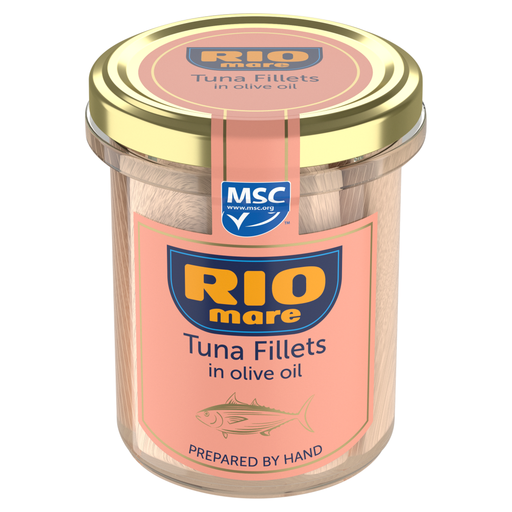 Image unavailable
Fillet-labelled tuna in olive oil fits a breakfast where the pieces are served separately. Check the jar’s serving and opened-jar storage instructions, and do not use it if the lid is swollen.
 Image unavailable
This brine-packed steak product is for a breakfast where you can allow time to cook. It is explicitly not ready to eat: drain it and cook it thoroughly until piping hot, following the product directions. Do not serve it raw.
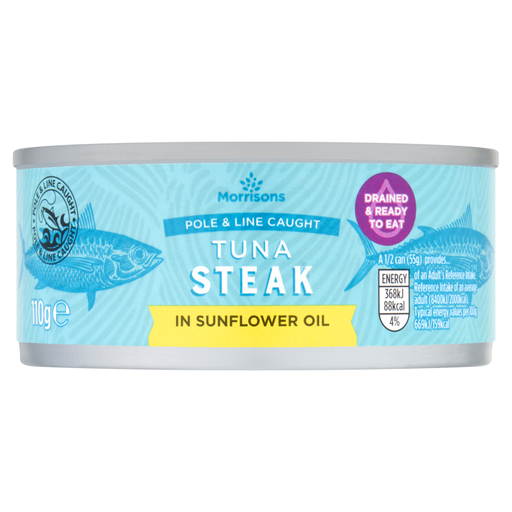 Image unavailable
This is a 110g steak-labelled sunflower-oil option for serving tuna in pieces. The product title says “Drained”, while its description says “No Drain”; check the pack if avoiding a draining step matters. Compare nutrition using the basis stated on its label.
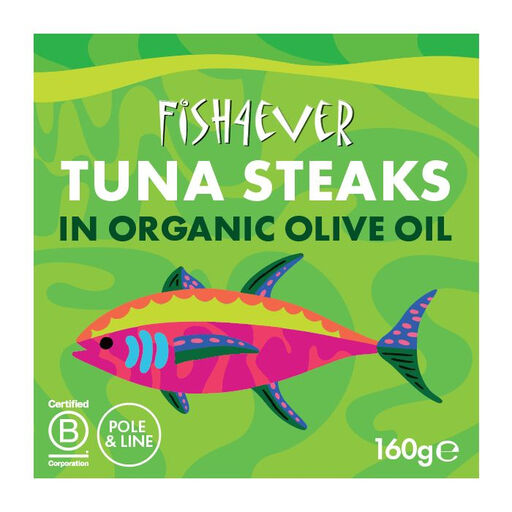 Image unavailable
This olive-oil product has a steak-labelled title, but its description also calls the contents chunks. If distinct pieces are essential to your breakfast, check the pack’s description and serving instructions before choosing it.
Not when the dish depends on fresh-fish texture or cooking fresh fillets. For a breakfast made with tinned tuna, a steak or fillet label is a useful starting point when you want visible pieces; chunks suit fillings and mixed dishes.
Choose by the ingredients and nutrition of the exact variant, as well as how you will serve it. Princes Food and Drinks lists 0.5g fat per 100g drained for its spring-water steak and 8.0g for its sunflower-oil steak; its brine steak lists 0.9g salt per 100g drained. Those figures describe those Princes products, not every tuna tin.
Yes. Fish is declared in the ingredient or allergen information for the tuna products described here. Read the label on the exact pack, particularly if you are choosing a different variant or a product with additional ingredients.
The NHS advises people who are pregnant or trying for a baby to have no more than four cans of tuna a week or two tuna steaks a week. A tin marketed as “tuna steak” should not be assumed to use the same portion definition as a fresh tuna steak; consult the NHS guidance when planning how much tuna to eat.
Follow the opening and storage directions on the exact product. Joybuy’s John West chunk and Princes chunk product information instructs refrigeration and use within two days of opening; the Princes directions also say to transfer leftovers to a sealed container. Do not apply those directions to a different product without checking its pack.