Serving tuna visibly
If tuna will be a recognisable part of a starter, sharing salad or platter, look at fillets or steaks and choose a packing liquid that suits the dressing.


Choose fillets or steaks when tuna will remain visible on a starter, platter or salad; choose chunks when it will be mixed into a filling, dip or pasta dish. No-drain tuna can simplify last-minute assembly, but check the pack size against your guest count. Whichever format you choose, check the packing liquid, drained weight, salt and storage instructions for the exact product.
If tuna will be a recognisable part of a starter, sharing salad or platter, look at fillets or steaks and choose a packing liquid that suits the dressing.
For tuna folded into pasta, fishcakes, a dip or sandwiches, chunks are a practical format. Check the drained weight before scaling the recipe for guests.
A no-drain format can remove a preparation step. For example, Joybuy lists a John West no-drain steak pack of 3 x 60g; plan how many packs your dish needs.
Start with how the tuna will appear in the finished dish, then check the pack details against the recipe and the number of guests.
| Priority | What to check | Your needs |
|---|---|---|
| Piece size | Check whether the product contains fillets, steaks or chunks. Match the format to whether the tuna will stay visible or be mixed through. | I want recognisable pieces on a platter or salad; for a dip or filling, chunks will do the job. |
| Packing liquid | Look for olive oil, sunflower oil, spring water or brine on the exact pack. Check the salt figure before adding salty ingredients to the dish. | If I am making my own dressing, I want to choose how much oil goes into it. For an oil-based dish, I may want to use what comes with the tuna. |
| Quantity | Check the pack size and drained tuna weight, where stated. Work out the total needed for the recipe rather than treating every tin as one serving. | There needs to be enough tuna for the finished dish and the number of guests, particularly if it is the main visible ingredient. |
| Sourcing claims | Read claims on the exact product rather than assuming they apply across a brand. Sainsbury's describes its cited 145g skipjack chunks as pole-and-line caught and sourced from an MSC-certified fishery; Princes makes its own traceability claim for responsibly sourced fish. | I want to know which sourcing statement applies to the tin I am buying, rather than relying on a general impression of the range. |
| Storage and ingredients | Check the best-before date, fish allergen declaration and instructions for opened contents. The cited M&S, Sainsbury's and John West products specify refrigeration after opening, with product-specific use periods. | I need to check what I am serving guests and make a plan for any tuna left after preparation. |
Chunks can be mixed through a dish, but they will not give a starter or salad the same visible pieces as fillets or steaks.
Read the format in the product name before buying, rather than relying on the general description “tinned tuna”.
Oil becomes part of the dish if you use it, while salt figures differ between the cited products. Capers, olives or other seasoned ingredients can also affect the finished flavour.
Check the exact label and taste the dish before adding further salt or dressing.
Opening a tin changes how it must be stored. The cited product instructions call for refrigeration and specify different periods for using leftovers.
Open only what you need where possible, transfer leftovers to a non-metallic container and follow the exact pack's refrigeration and use instructions.
These brand references show different formats to consider; they are not a list of products available from Joybuy.
M&S lists a 200g tuna steak in olive oil and 115g Collection Ventresca albacore fillets in extra-virgin olive oil for dishes where the tuna remains visible.
The John West no-drain tuna steak listed by Joybuy comes in a 3 x 60g pack for dishes assembled close to serving.
Princes lists chunks, drained tuna, sandwich tuna and steaks, giving shoppers several formats to compare.
Sainsbury's lists 145g skipjack tuna chunks in spring water, a format for recipes where tuna is mixed through.
Tesco's tinned-tuna category includes chunks, steaks, no-drain products and tuna packed in different liquids.
These Joybuy options include chunks for mixed dishes, steaks for visible pieces and fillets in a jar for a starter or salad. Check the exact pack when planning quantities and leftovers.
 No image available
Chunks suit a filling or mixed salad, while the no-drain format removes a preparation step. Check the pack's drained weight when calculating how much tuna the dish needs.
 No image available
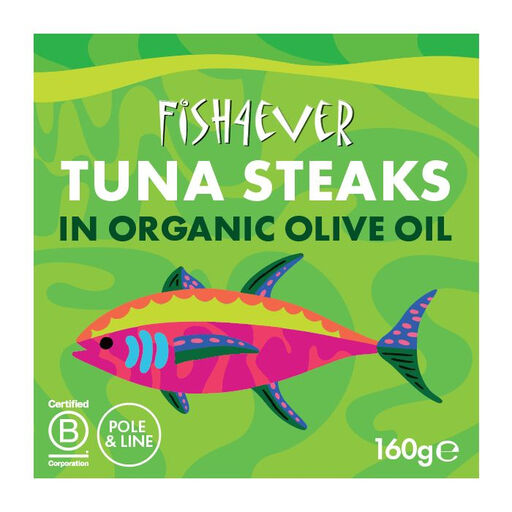
Consider the steak format when tuna should remain recognisable in a salad or on bread. Olive oil is the packing medium; check the label for drained weight before planning portions.
 No image available
The steak format offers an option for a salad or bread topping where the tuna stays visible. This product is packed in sunflower oil rather than olive oil; check its label for seasoning and opened-storage instructions.
 No image available
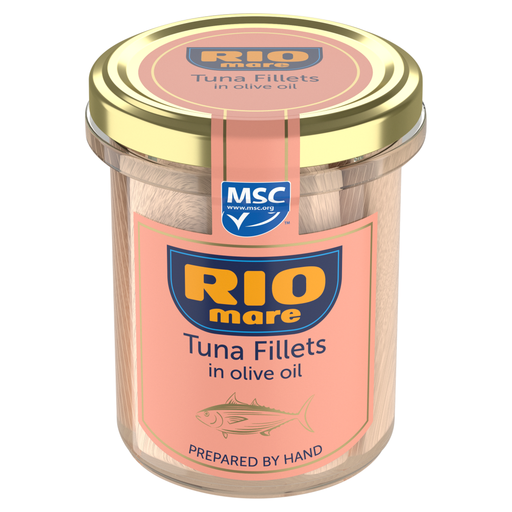
Fillets are an option when tuna will be visible in a starter or salad. This is a glass jar rather than a tin; check its drained weight and opened-jar storage directions on the label.
 No image available
The six-can chunk pack is an option for a mixed dish prepared for several guests. Spring water leaves the dressing to the recipe; check the drained weight per can when scaling it.
Use fillets or steaks if the tuna will remain visible on a platter, starter or composed salad. Chunks suit pasta, dips and fillings where the pieces will be mixed through; check the drained weight whichever format you choose.
No. Oil-packed tuna can suit a dish that uses the packing oil, while tuna in spring water lets you add a separate dressing. Check the exact product's ingredients and nutrition label: the cited M&S olive-oil products and Sainsbury's spring-water chunks have different listed fat figures.
Follow the instructions on the exact pack and refrigerate opened tuna as directed. The cited M&S tuna products say to transfer leftovers to a non-metallic container and eat them within two days; Sainsbury's gives a one-day period for its cited spring-water chunks.
Tuna is fish, so check the current allergen and ingredient information on every product you serve. Check dressings, mayonnaise, crackers and garnishes separately rather than assuming the tuna label covers the whole dish.