What to check when choosing tuna
Set any prescribed texture requirements before choosing a format; then compare the portion, nutrition label and preparation involved.
| Concern | What to check | Who this matters to |
|---|
| Protein and appetite |
Compare protein per 100g and the portion likely to be eaten; consider energy and fat if appetite is limited. |
When a small meal needs a practical protein ingredient, the amount actually eaten matters as much as the label value. About 29% of consumers put that protein-and-appetite need first. |
| Salt |
Read salt per 100g and per portion on the exact pack; include other ingredients in the meal. |
If packaged foods add up across the day, I want to know how much salt my serving of tuna contributes. Salt comparison is the primary need for about 24% of consumers. |
| Chewing and swallowing |
Look for bone warnings and, where applicable, check the prepared meal against the prescribed IDDSI texture. |
For someone who struggles with firm pieces or has a swallowing plan, an easy-open pack does not settle whether the food is manageable. About 29% of consumers place texture and safe eating first. |
| Preparation and storage |
Choose a pack the person can open and use; follow its instructions after opening. |
When cooking, draining or handling leftovers is difficult, a cupboard ingredient or no-drain format can simplify the routine. Ease of preparation and storage comes first for about 18% of consumers. |
Tinned tuna options on Joybuy
These tinned spring-water and sunflower-oil options suit a comparison of pack format and meal-preparation needs. Fresh tuna steaks remain a separate choice if chilled storage and cooking fit the household’s routine.
 Image unavailable
John West No Drain Tuna Chunks in Springwater, 3 x 100g
Consider the no-drain format when emptying a tin is a practical barrier.
Springwater tuna chunks in a 3 x 100g pack. Check the pack for bone warnings, and do not assume the chunks meet a prescribed swallowing texture.
View on Joybuy
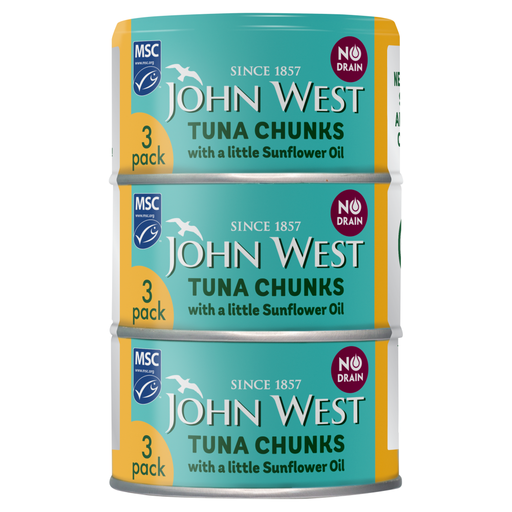 Image unavailable
John West No Drain Tuna Chunks in Sunflower Oil, 3 x 100g
This is an oil-packed no-drain option to consider when that format fits the person’s meal plan and draining is difficult.
Tuna chunks in sunflower oil in a 3 x 100g pack. The product information warns that bones may remain; check the fish before serving.
View on Joybuy
 Image unavailable
John West Tuna Chunks in Springwater, 4 x 125g
These springwater tuna chunks are an option for meals where a tinned ingredient is convenient.
The pack contains 4 x 125g. Check this exact variant’s draining instructions and any bone warning rather than treating it as a no-drain product.
View on Joybuy
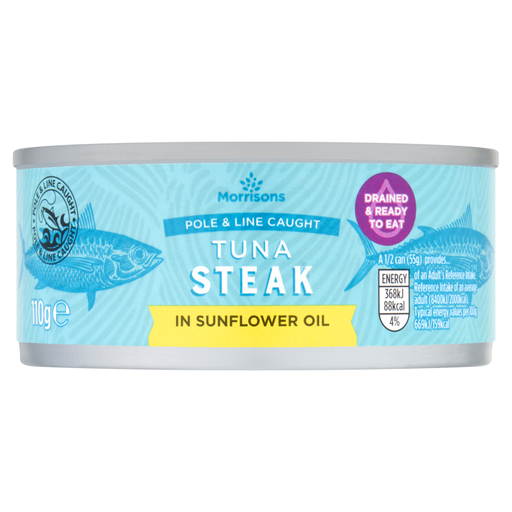 Image unavailable
Morrisons Drained Tuna Steaks with Sunflower Oil, 110g
Consider this oil-packed tuna steak when that format fits the meal being prepared.
The title identifies a 110g drained product, but the accompanying drainage description differs. Confirm the pack’s draining instructions and the basis of its nutrition declaration before comparing it with other tuna.
View on Joybuy
 Image unavailable
Morrisons Fad Free Tuna Chunks in Spring Water, 145g
This spring-water option is a tinned ingredient for meals where preparation needs to be straightforward.
The pack is 145g. Compare salt for the portion being served and check the exact pack for bone warnings if chewing is difficult.
View on Joybuy
Questions about choosing and serving tuna
Can tinned tuna contribute protein to an older person’s meals?
Yes, it can be a practical protein ingredient, but it is not a complete nutrition plan. Compare the exact pack’s protein declaration with the portion the person is likely to eat, and consider the rest of the meal.
Should I choose tuna in spring water or oil?
Choose by the person’s meal plan and the exact label, not the packing-medium name alone. M&S lists 0.6g fat per 100g for its spring-water chunks and 6.4g per 100g for its sunflower-oil steak; their salt declarations also differ. Those figures do not describe every product in either format.
Is ordinary tinned tuna suitable for someone with dysphagia?
Do not assume that chunks or steaks meet a prescribed texture. Follow the person’s speech and language therapist or dietitian’s guidance and test the prepared food under its intended serving conditions, as the International Dysphagia Diet Standardisation Initiative advises.
What should I do with tuna left after opening?
Follow the storage instructions and use-by period on the individual pack. A resealable pot and an opened tin may have different instructions, so check before planning to use leftovers in another meal.


