Households making sandwiches quickly
Tinned tuna offers a cupboard-stored filling that can be prepared without thawing or cooking. Check the can size and drained weight against the amount needed for lunch.


Choose tinned tuna when you need a cupboard-stored sandwich filling that takes little preparation; compare the packing liquid, drained weight, ingredients and salt on the exact can. Frozen fish fillets are an alternative only if you can follow their thawing and cooking instructions and make suitable arrangements for a chilled packed lunch. For either choice, check the pupil’s allergy plan and the school’s packed-lunch arrangements before sending fish.
Tinned tuna offers a cupboard-stored filling that can be prepared without thawing or cooking. Check the can size and drained weight against the amount needed for lunch.
Frozen fish calls for advance thawing or cooking and a plan for the cooked food before it goes into a packed lunch. The chosen fillet’s instructions determine the preparation steps.
Check the pupil’s individual plan, the school’s packed-lunch arrangements and the exact fish product’s label. The Department for Education’s July 2026 guidance for England says schools should consider food brought from home in their allergy-safety approach.
Decide whether lunch preparation can include cooking fish, then compare the exact pack and the arrangements for taking it to school.
Choose it when: You want to assemble a sandwich or similar lunch from a cupboard-stored fish product.
Bear in mind: Once opened, unused tuna needs the refrigeration and use window stated on its label.
Choose them when: You can prepare the fish ahead of time and arrange a suitable chilled lunch.
Bear in mind: Fillets need thawing or cooking according to their own instructions; they cannot simply replace ready-to-use tuna in a sandwich.
| Priority | What to check | Your needs |
|---|---|---|
| Preparation time | Check whether the tuna needs draining. For a frozen fillet, follow its thawing or cook-from-frozen and cooking instructions. | I need to make a sandwich without cooking fish that morning, or I have time to prepare a fillet in advance. |
| Can format and nutrition | Compare packing liquid, can size, drained weight and nutrition on the same per 100g drained basis. Princes lists 23.5g protein and 0.85g salt for its spring-water tuna; ASDA lists 25g protein and 0.90g salt for its spring-water four-pack. | The filling needs to work with my recipe and portion size, and I want to compare the exact variants rather than assume all tuna cans are alike. |
| Allergy arrangements | Read the exact fish-allergen declaration and check the pupil’s plan and school arrangements. The Department for Education’s July 2026 guidance for England says packed lunches should be considered in schools’ allergy-safety approaches. | Before fish goes to school, I need to know whether it fits the pupil’s individual arrangements. |
| Storage and transport | Follow the tuna label after opening; the reviewed John West and ASDA products specify refrigeration and use within two days. For cooked fillets, check the chosen pack’s directions and the lunch’s cooling and storage arrangements. | I may have tuna left after making lunch, or I need a workable plan for taking cooked fish to school. |
| Fish choices across the week | The NHS says fresh and canned tuna do not count as oily fish when considering its weekly fish guidance. | If I am planning the household’s fish meals across the week, I will not count a tuna sandwich as the oily-fish choice. |
A frozen fillet adds preparation steps before it can become a packed-lunch filling.
Follow the chosen fillet’s thawing or cooking directions and plan how the cooked fish will be cooled and kept for lunch. A Food Standards Agency review published in 2021 identifies refrigerator thawing as a way to keep defrosting food at microbiologically safe temperatures.
Spring water, brine and oil variants need not have the same drained weight or nutrition values.
Compare the exact cans on the same basis, such as per 100g drained, and read the ingredients and salt value for the variant you intend to use.
The reviewed tuna products declare fish. A packed lunch also needs to fit the pupil’s individual arrangements and the school’s approach to allergies.
Check the physical pack, the pupil’s plan and the school’s current packed-lunch arrangements before choosing either tinned tuna or a fish fillet.
The reviewed John West and ASDA products call for refrigeration of unused contents and use within two days; ASDA also specifies a covered, suitable non-metallic container.
Make the portion needed for lunch, then follow the exact can’s instructions for any leftovers.
These examples show formats worth comparing; check the exact product label rather than applying one variant’s details to an entire range.
Its tinned-tuna range includes chunks and no-drain formats relevant to sandwich preparation.
Princes offers tuna in different packing liquids, so the exact variant matters when comparing ingredients and nutrition.
Its own-label spring-water multipack provides another exact product for comparing can size and drained nutrition.
Its listed own-label formats include larger multipacks and smaller tins that may suit different lunch portions.
Its tinned-tuna listings bring own-label and branded products in several packing liquids and formats into one category.
These options include four tinned-tuna formats for preparing a lunch and one frozen pangasius fillet option that needs cooking before it could become a packed-lunch component.
 No image available
The no-drain format is an option when a tuna sandwich needs assembling without a draining step. The pack contains three 100g cans; it contains fish, and opened contents need refrigeration and use within two days. Check the pupil’s allergy arrangements before use.
 No image available
This four-can brine format can be portioned for sandwiches or salads. The listed salt value is 0.90g per 100g drained; compare the exact label if that matters for your choice. It contains fish, and opened leftovers should be transferred to a sealed container, refrigerated and consumed within two days.
 No image available
This four-can spring-water format is listed for sandwich preparation. Check the exact can’s directions if avoiding a draining step matters; its use as a no-drain product should not be assumed. It contains fish, and unused contents should be transferred to a non-metallic container, refrigerated and consumed within two days.
 No image available
This four-can sunflower-oil variant is listed for sandwiches and salads. Check its ingredients and nutrition panel against the recipe rather than using values from a spring-water or brine can. It contains fish; refrigerate opened leftovers in a sealed container and consume them within two days.
 No image available
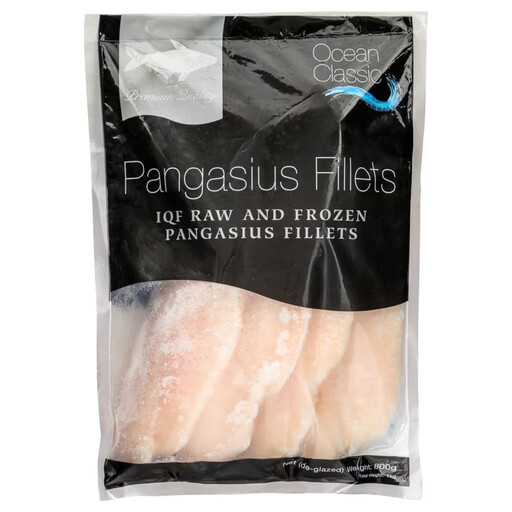
These frozen fillets are a plan-ahead fish option, not a ready-to-eat substitute for tinned tuna. Follow the pack’s refrigerator-thawing and cooking directions, and establish how the cooked fish will be cooled and kept for the school lunch. The listing says to keep the fillets frozen below −18°C, not refreeze after thawing and consume within 24 hours of defrosting. They contain fish.
Yes, if you can follow the chosen fillet’s thawing and cooking instructions and make suitable arrangements for the cooked fish as a chilled lunch component. Unlike canned tuna, a frozen fillet cannot be opened and served immediately. A Food Standards Agency review published in 2021 identifies refrigerator thawing as a way to keep defrosting food at microbiologically safe temperatures.
Follow that can’s label and refrigerate unused tuna. The reviewed John West and ASDA listings specify use within two days; ASDA also directs shoppers to move leftovers to a covered, suitable non-metallic container.
Check the pupil’s individual plan and the school’s current arrangements before sending it. The Department for Education’s July 2026 guidance for England says food brought from home, including packed lunches, should be considered in schools’ allergy-safety approaches. The reviewed tuna products declare fish.
No. The reviewed tuna products declare fish; that does not establish whether they contain shellfish or what an individual pupil can tolerate. Use the exact label and the pupil’s individual allergy advice and school plan.
No. The NHS says fresh and canned tuna do not count as oily fish. If you are considering its weekly fish guidance for the household, account for an oily-fish choice separately.