Cooks assembling a meal straight away
Tinned chunks can go into pasta, a jacket potato, rice or a salad without a separate fish-cooking step. A no-drain format also avoids draining; frozen steaks are a different choice because they require cooking.


Choose tinned tuna when you need to assemble dinner straight away: chunks work in mixed dishes, while a no-drain format removes a preparation step. Choose frozen tuna steaks for a cooked, fillet-style main when you have time to follow the pack’s cooking or defrosting instructions. Chilled steaks that have previously been frozen offer another cooked option, but their use-by and storage instructions need closer attention than an unopened tin.
Tinned chunks can go into pasta, a jacket potato, rice or a salad without a separate fish-cooking step. A no-drain format also avoids draining; frozen steaks are a different choice because they require cooking.
A frozen or chilled tuna steak suits a plated, fillet-style dinner if you can follow its cooking and storage instructions. The cited ASDA frozen steaks have oven instructions from frozen, while the cited Sainsbury’s chilled steaks come with pan-frying instructions.
Check whether you are buying an unopened cupboard product, a frozen steak or a chilled steak that has already been defrosted. Leftover and refreezing instructions differ by product; NHS tuna guidance is also relevant if you are pregnant or trying for a baby.
Start with how the tuna will be served, then check the preparation and storage directions on the exact pack.
| Priority | What to check | Your needs |
|---|---|---|
| Time to serve | Check whether the tuna is ready to eat, needs draining or must be cooked. ASDA gives 32–35 minutes of oven cooking from frozen for its cited two-steak pack; follow the instructions on the pack you buy. | If dinner needs assembling straight away, I would choose tinned tuna. For a cooked steak-style main, I can allow time for the frozen product’s instructions. |
| Meal format | Compare chunks for mixing into a dish with preserved canned steaks or a steak that must be cooked. Check whether a seasoned product fits the recipe in place of plain tuna. | For pasta or a jacket potato, I want tuna that mixes in easily. If the fish is the centre of the plate, I want a cooked fillet-style portion. |
| Storage | Read unopened and leftover storage directions separately. Frozen steaks need freezer space; chilled steaks have a use-by date. M&S says to transfer leftovers from its cited spring-water tin to a non-metallic container, refrigerate them and eat them within 2 days. | I want a cupboard ingredient for an unplanned dinner, or I can make room in the freezer and plan when to cook a steak. |
| Pack details | Compare cut, covering liquid or oil and drained weight where stated. Nutrition and sourcing statements should be checked on the exact variant rather than applied across a brand’s range. | The liquid and usable quantity matter to my recipe, so I want to compare like-for-like packs rather than assume every tin contains the same amount of tuna. |
The cited ASDA frozen steaks must be fully cooked and checked piping hot before serving. They also require freezer storage, unlike an unopened cupboard tin.
Choose a ready-to-eat tinned format for an immediate mixed dish. Choose frozen steaks when you can follow the cooking instructions for a hot main.
A frozen steak also takes cooking time and freezer space.
Sainsbury’s says its cited chilled steaks have previously been frozen. Its instructions distinguish home freezing before the use-by date from refreezing after defrosting.
Check the use-by date and the exact storage panel when planning the meal. For that Sainsbury’s product, consume it within 24 hours of defrosting and do not refreeze it once defrosted.
Chunks, canned steaks, no-drain formats and different covering liquids do not give you identical ingredients for a recipe. Nutrition values can also differ between variants, as the M&S spring-water and sunflower-oil products illustrate.
Compare the cut, pack quantity and drained weight where stated, then read the label of the variant you intend to use.
The NHS says fresh and canned tuna do not count as oily fish. Its guidance also sets tuna limits for people who are pregnant or trying for a baby.
If either point affects your food choices, check the current NHS guidance rather than treating a tuna tin or steak as an oily-fish portion.
John West offers a no-drain tuna-steak fridge pot for meals assembled without draining a conventional tin.
Princes has conventional tinned tuna formats, including steaks in brine, spring water and sunflower oil.
Tesco’s cited UK listings include own-label canned chunks and steaks as well as yellowfin steak products.
The cited Sainsbury’s product is a chilled pack of two yellowfin tuna steaks that have previously been frozen.
The cited ASDA two-steak frozen pack is an option for a cooked tuna main rather than an immediately assembled tinned-tuna dish.
The cited M&S range includes canned tuna steak in spring water and in sunflower oil.
These options include ready-to-use canned tuna for assembled meals and frozen steaks for a planned cooked dinner. Check the individual pack if you need a particular preparation or storage method.
 No image available
The no-drain chunks suit a salad or sandwich assembled without draining a conventional tin. The pack contains three 100g cans; refrigerate unused tuna after opening and use it within 2 days. Some bones may remain.
 No image available
These ready-to-eat chunks can be added to pasta, salads or sandwiches after draining. The pack contains four 145g cans; refrigerate leftovers in a sealed container and use them within 2 days. Small bones may remain.
 No image available
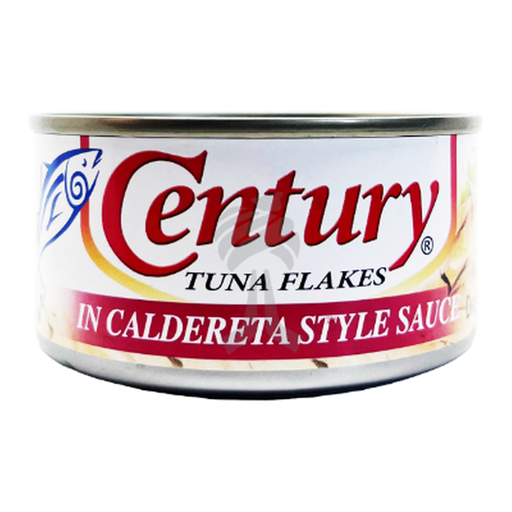
This is seasoned tuna with vegetables for serving with rice or pasta, rather than plain chunks for any recipe. It is described as ready to eat; for a hot dish, follow the heating instructions until piping hot. The ingredients include soybean, and the allergen note says it may contain milk.
 No image available
These canned steaks are ready to eat cold in a salad or sandwich; they are not frozen fillets. The stated quantity is 160g. Drain the oil if heating, and transfer unused contents to a non-metallic container, refrigerate them and consume within 24 hours.
 No image available
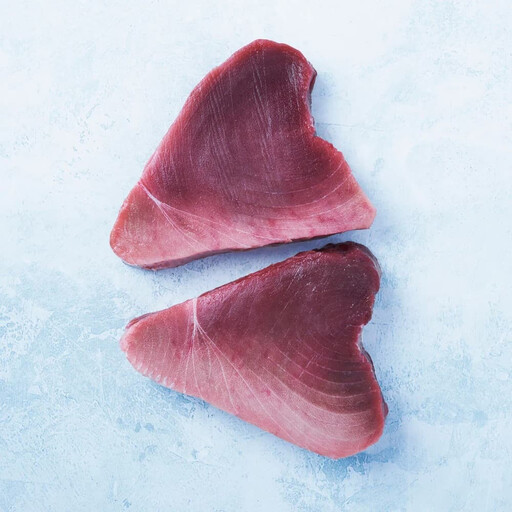
These frozen steaks are for a planned fillet-style meal, not an immediate replacement for tinned tuna. Store at −18°C or colder; the listing gives 12–24 hours for refrigerator defrosting and says not to refreeze once thawed. Follow the pack’s handling and cooking instructions rather than treating its “sashimi grade” wording as a safety assurance.
Not as a ready-to-use ingredient. Tinned tuna can be added straight to a mixed dish, while the cited ASDA frozen steaks must be fully cooked and checked piping hot. Choose steaks when you have time for a cooked, fillet-style main.
The cited ASDA two-steak pack gives oven instructions from frozen: 32–35 minutes at 200°C conventional, 180°C fan or Gas 6. Check the instructions on your own pack rather than applying that time to a different product.
Follow the storage directions on that tin. For its cited spring-water tuna, M&S says to transfer unused contents to a non-metallic container, refrigerate them and eat them within 2 days.
The cited Sainsbury’s chilled steaks may be frozen at home before their use-by date, according to that product’s instructions. Once defrosted, Sainsbury’s says to consume them within 24 hours and not refreeze them; check the wording on any different pack.
No. The NHS says fresh and canned tuna do not count as oily fish. Its guidance also says people who are pregnant or trying for a baby should have no more than four cans of tuna or two tuna steaks a week.