Quick pasta-night cooks
If tuna will be mixed into pasta, a bake or a salad, tinned chunks or ready-to-use tinned steak avoid the thawing and cooking step needed for a raw frozen steak.


Choose tinned tuna when you want to stir pieces through pasta, a sauce or a salad without cooking raw fish; choose frozen tuna steaks when you want an intact, cooked centrepiece and have time to follow the pack’s thawing and cooking directions. For tinned tuna, decide whether chunks or larger steak pieces suit the dish, then check whether the packing medium is water, brine or oil.
If tuna will be mixed into pasta, a bake or a salad, tinned chunks or ready-to-use tinned steak avoid the thawing and cooking step needed for a raw frozen steak.
If the tuna itself will be the plated main, a frozen steak offers an intact fillet format. Allow time to thaw and cook it according to the product’s instructions.
If the sauce or dressing is already planned, compare tuna in spring water, brine and oil by its ingredients and labelled nutrition. Check the instructions for storing any leftovers, too.
Decide whether the meal needs tuna mixed through it or a cooked steak on the plate; then compare the format and label details that matter to your recipe.
| Concern | Buying check | Who this matters to |
|---|---|---|
| Minimal preparation | Look for tinned chunks or tinned steak, and check whether draining is needed. | When dinner needs to come together quickly, I want tuna I can add to pasta or salad without thawing and cooking it. About 50% of consumers put minimal preparation first. |
| An intact centrepiece | Check whether the product is a frozen raw steak rather than tinned steak, and read its thawing and cooking directions. | For a plated main, I want a cooked piece of tuna rather than flakes stirred into sauce. An intact steak is the primary need for about 30% of consumers. |
| Packing medium and label | Compare spring water, brine and oil using the ingredients and nutrition panel, including any per 100g drained figures. | If I am making my own dressing or sauce, I want to choose deliberately what comes with the tuna in the tin. About 20% of consumers make that label choice their first concern. |
Chunks can be stirred through a dish, but they will not give you an intact cooked steak. A frozen steak also changes the preparation needed for dinner.
Decide whether the recipe calls for pieces mixed through it or a steak served separately, then check the cooking directions for the format you buy.
Princes lists different ingredients for its spring-water and sunflower-oil chunks. The packing medium matters if you plan to add your own oil, dressing or seasoning.
Read the ingredients and nutrition panel on the actual tin, including whether figures refer to drained tuna.
Leftover-tuna instructions can be product-specific. Sainsbury’s tells shoppers to transfer its spring-water chunks to a non-metallic container, refrigerate them and use them within one day.
Follow the storage and use-by-opening instructions on your own pack rather than assuming another tin has the same limit.
Frozen tuna may need advance thawing, and the Asda frozen-steak pack says not to eat its product raw and to cook it fully.
Read the exact pack before planning the meal. Follow its thawing, cooking and frozen-storage directions rather than instructions for tinned tuna.
Its sunflower-oil tuna chunks are an option for pasta where oil-packed tuna suits the recipe.
Its tinned range provides examples of chunks in spring water and sunflower oil, as well as ready-to-use tuna steak.
Its own-label spring-water chunks provide another tinned format to compare for pasta and cupboard meals.
Its own-label spring-water chunks suit recipes that use tuna mixed through the dish.
Its examples span frozen tuna steaks and tinned tuna steak in brine, two different ways to build the meal.
Its range includes tinned tuna steak in spring water and frozen yellowfin tuna steaks.
These options cover tinned chunks for pasta or salad, tinned steak pieces in oil, and frozen steaks for a cooked centrepiece. Choose the format before comparing individual packs.
 No image available
A tinned-chunks option when tuna will be mixed into pasta or salad rather than served as an intact steak. Packed in spring water; check the tin for draining and leftover-storage instructions.
 No image available
Tinned chunks for pasta or salad when sunflower oil suits the dish. Compare this product’s ingredients and drained nutrition with a water-packed tin if the packing medium affects your recipe.
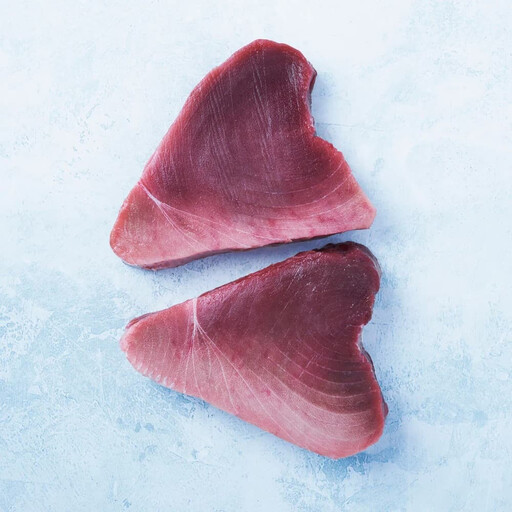 No image available
A frozen, two-steak option for an intact cooked tuna main rather than tuna stirred through sauce. Plan for thawing and follow the product’s storage and cooking instructions. Do not rely on the listing’s sashimi-grade wording as confirmation that it is suitable to eat raw.
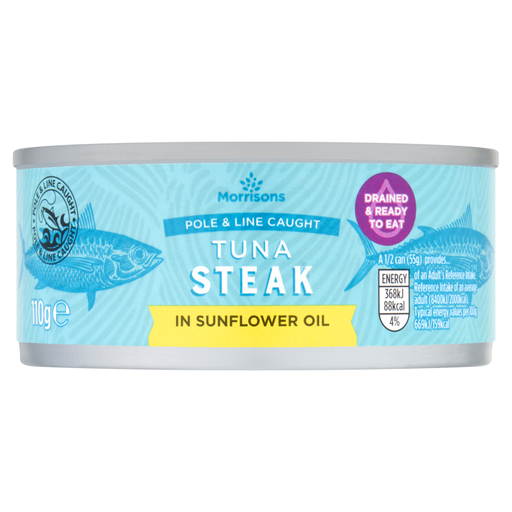 No image available
A tinned tuna-steak format for a dish where visible pieces matter but a raw frozen steak is not needed. Check the pack to establish whether draining is required and how to store any leftovers.
Yes, when the recipe calls for tuna mixed through pasta, a bake, sauce or salad. If the tuna is meant to be an intact cooked centrepiece, choose a steak format and follow its cooking instructions; tinned chunks will not give the same presentation.
Choose by what the recipe already contains and by the individual tin’s label. Spring-water tuna provides a base for your own dressing or sauce, while an oil-packed product brings its packing oil into the dish. Brine and oil products can contain salt, so check the ingredients and nutrition panel rather than treating the formats as interchangeable.
Follow the thawing and cooking directions on the exact pack, allowing for any required refrigerator defrosting. Asda’s frozen tuna-steak instructions say not to eat that product raw and to cook it fully; do not apply tinned-tuna preparation instructions to a raw steak.
Follow the time and storage method printed on that product. For its spring-water chunks, Sainsbury’s instructs shoppers to transfer the contents to a non-metallic container, refrigerate them and use them within one day.