Start with plain tuna chunks in spring water if you want to mix the fish into a familiar meal; consider a no-drain format if visible liquid or draining is the bigger obstacle. Neither format is certain to suit a particular eater, so try a small pack before stocking up and check the current label for ingredients, fish-allergen information and storage instructions.
Who is this for?
Households managing texture-sensitive meals
If a child hesitates over an unfamiliar taste, texture or appearance, the format of the tuna may matter as much as the meal it goes into. Healthier Together NHS identifies taste and texture as factors in food fussiness.
Quick family-meal planners
For sandwiches, jacket potatoes or pasta dishes assembled with little preparation, compare conventional tins with no-drain or already-drained formats. Tesco Groceries, Princes and M&S list examples of these formats.
Label-first shoppers
If ingredients, packing liquid, fish-allergen information, drained quantity or leftover storage affect the choice, compare the exact packs rather than relying on the front-of-pack format name.
What matters when choosing tuna?
For fussy-eater meals, consider the eating texture and preparation step before deciding how many tins to keep in the cupboard.
| Concern |
What to check |
Who this matters to |
| Familiar taste and texture |
Compare chunks, steak pieces and chunks-and-flakes mixes; try a single tin before a multipack. |
If an eater notices unfamiliar pieces or flavours, a format close to foods they already accept may be the starting point. About 36% of consumers put predictable taste and texture first. |
| Quick, less messy preparation |
Check whether the exact pack needs draining and whether its liquid suits the intended meal. |
When a sandwich or mixed meal needs assembling quickly, visible liquid and an extra draining step can get in the way. Roughly 29% of consumers prioritise easier, less messy preparation. |
| Useful amount for repeat meals |
Compare single tins with multipacks, and check both net and drained weight. |
If tuna is going into several familiar meals, having enough usable fish matters—but an untried multipack could go to waste. Around 21% of consumers make pack size and repeat use their main concern. |
| Ingredients and safe storage |
Read the current fish-allergen and ingredient labels, plus instructions for leftovers; account for pregnancy-related tuna guidance where relevant. |
Where an allergy, leftover storage or pregnancy guidance affects the household, the exact label and weekly tuna intake take priority. About 14% of consumers put these checks first. |
Common buying mistakes
-
Treating every tuna texture as interchangeable
Chunks, larger steak pieces and mixed chunks and flakes look and feel different. Healthier Together NHS notes that taste and texture can affect food fussiness; a format name alone cannot tell you what a particular child will accept.
Try one tin with an already familiar meal before buying several, and note whether pieces, flavour or visible liquid caused difficulty.
An untried multipack may leave more tins unused if that texture is rejected.
-
Using the packing liquid as a shortcut for the nutrition label
“In spring water” describes the liquid, not the full nutrition profile of every product sold in that format.
Compare the ingredient list and nutrition panel on the exact pack, particularly if salt content matters to your choice.
-
Putting an opened tin back in the cupboard
An unopened storecupboard tin and its leftovers have different storage requirements. Food Standards Scotland advises checking the label for refrigeration instructions after opening.
Follow the pack’s directions for any tuna you plan to save, including how it should be stored and when it should be used.
-
Overlooking weekly tuna intake during pregnancy
NHS guidance places a weekly limit on tuna for people who are pregnant or trying for a baby because tuna contains more mercury than other fish.
If that guidance applies to you, count tuna eaten across meals and stay within the NHS limit of no more than four cans a week.
Brands and formats to compare
John West
Tesco Groceries lists John West tuna chunks alongside No Drain formats and different packing liquids.
- A No Drain pack is worth considering when reducing visible liquid and draining matters.
- Check the particular pack’s texture and quantity; the format does not establish whether a fussy eater will accept it.
Princes
Princes lists spring-water chunks and describes its Sandwich Tuna as a mix of chunks and flakes.
- The different formats offer a choice between distinct chunks and a mixed filling.
- Check the current label and try the intended texture before committing to repeat meals.
Tesco
Tesco Groceries lists own-label skipjack tuna chunks in spring water in single-tin and multipack formats.
- A single tin allows a smaller first trial than a multipack.
- The product description does not establish that its chunk texture will suit a particular eater.
Sainsbury's
Sainsbury's lists own-label spring-water tuna chunks in different tin and pack sizes.
- A smaller tin may limit waste when trying an unfamiliar format.
- Compare the exact pack size and current label before moving to a multipack.
Asda
Asda Groceries lists an own-label four-pack of tuna chunks in spring water, with tuna and spring water in its ingredient statement.
- The stated format and ingredients make it straightforward to compare with other spring-water chunks.
- Spring water alone does not establish the salt content; read the nutrition panel on the current pack.
M&S
M&S describes spring-water tuna chunks and an already-drained tuna steak format.
- The drained steak format avoids a draining step if distinct fish pieces suit the meal.
- Larger pieces may be more noticeable to a texture-sensitive eater; the format is not an acceptance guarantee.
Tinned tuna on Joybuy
These tins cover no-drain chunks and conventional chunks in spring water or brine. A single tin offers a smaller texture trial; a multipack makes more sense once the intended format is familiar.
 No image available
John West No Drain Tuna Chunks in Springwater 3 x 100g
Consider this format if draining and visible liquid complicate a quick meal. The three-tin pack allows separate uses, but try the chunk texture before relying on it for repeat meals.
View on Joybuy
 No image available
Morrisons Fad Free Tuna Chunks in Spring Water 145g
A single tin is a smaller commitment for trying chunks in a familiar meal. Check the drained weight on the pack if the amount of usable tuna matters to your comparison.
View on Joybuy
 No image available
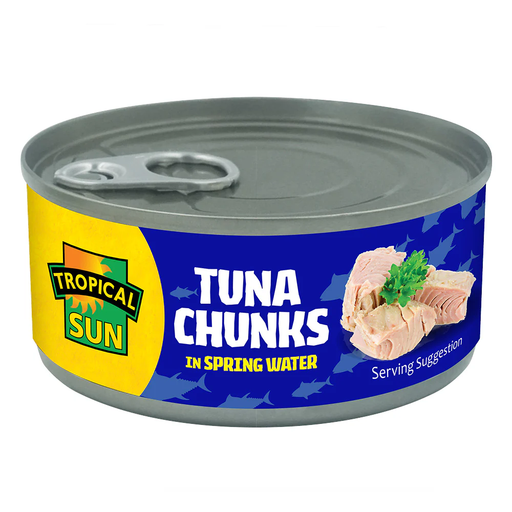
Topical Sun Tuna Chunks in Springwater 160g
This single tin offers another chunk format to try in a sandwich or pasta dish. Check the exact pack’s draining directions and allergen label before use.
View on Joybuy
 No image available
John West Tuna Chunks in Springwater 4 x 125g
The four-tin pack suits repeat meals if chunks in spring water are already accepted. Check the instructions on this exact pack rather than assuming the No Drain directions for a different John West product apply.
View on Joybuy
 No image available
Princes Tuna Chunks in Brine 4 x 145g
Consider this four-pack for repeat meals if chunks packed in brine suit the intended dish. Try one tin before relying on the multipack for a fussy eater, and check its drained weight when comparing usable amounts.
View on Joybuy
Frequently asked questions
Which tuna texture should I try first for a fussy eater?
Try a small pack whose texture resembles food the eater already accepts. Plain chunks can be mixed into a familiar meal, while Princes describes its Sandwich Tuna as a chunks-and-flakes mix; neither format is certain to be accepted.
Is tinned tuna suitable for someone with a fish allergy?
Tuna is fish, so do not treat a standard tuna tin as a fish-free ingredient. Read the current product’s allergen declaration and follow the person’s individual allergy advice.
How should I store leftover tuna after opening a tin?
Follow the storage instructions on the exact pack. Food Standards Scotland advises checking whether food needs refrigeration after opening; do not assume the unopened tin’s storecupboard storage conditions still apply.
Does pregnancy affect how many tins of tuna I can eat?
Yes. NHS guidance says that people who are pregnant or trying for a baby should have no more than four cans of tuna a week, so count tuna across meals rather than considering each tin separately.


