For coeliac shopping, check the current pack’s ingredients, allergen information and any gluten-free wording before choosing by cut or brand: “steak” and “fillet” describe the tuna, not its gluten suitability. Choose tinned steak or fillets when you want visible pieces from a cupboard product, chunks for a mixed filling, or fresh chilled tuna when you want an uncanned steak to cook. Water, oil and no-drain formats also differ, so compare the exact variants that suit your meal.
Who is choosing?
Coeliac shoppers checking each pack
If you need to assess tuna for a gluten-free diet, the exact variant matters more than a familiar brand or a plain-looking tin. Coeliac UK advises reading food labels; check again when you change product or flavour.
Shoppers looking for visible tuna pieces
For a salad or jacket potato where the tuna remains visible, tinned steak or fillet formats may fit the dish you have in mind. Fresh chilled tuna is a separate choice if you want a steak to cook.
Quick-lunch shoppers
If draining a tin is inconvenient, a product labelled drained or no-drain may remove that step. Check its ingredients and packing medium as carefully as you would for a standard tin.
What matters when buying?
Start with the exact pack label for gluten suitability, then decide whether you need a cupboard ingredient or fresh tuna to cook. Within tinned tuna, cut, packing medium and preparation steps shape the choice.
Tinned tuna
Choose it when: You want a cupboard product for a salad, sandwich or jacket potato.
Bear in mind: Steak, fillet, chunks and no-drain products have different formats and ingredients; none of those names establishes gluten suitability.
Fresh chilled tuna
Choose it when: You want an uncanned tuna steak to cook.
Bear in mind: It needs chilled storage and cooking plans rather than the cupboard storage and ready-to-use format associated with tinned tuna.
| Concern |
What to check |
Who this matters to |
| Gluten suitability |
Read the current pack’s ingredients, allergen information, precautionary wording and any gluten-free claim. Check the exact flavour and packing medium. |
When I change tuna variant, I need to assess that pack rather than rely on one I bought before. About 33% of consumers put label assurance first. |
| Pieces or flakes |
Look for steak, fillet, chunks or sandwich-tuna wording; check the drained weight when comparing pack sizes. |
For a salad or jacket potato, I want pieces that remain visible instead of tuna for mixing into a filling. Whole-piece texture comes first for about 27% of consumers. |
| Preparation |
Check whether draining is needed, the portion size and the instructions for storage after opening. |
At lunch, I would rather open the tuna and use it without draining liquid. Around 20% of consumers make ease of preparation their primary concern. |
| Pack and medium |
Compare pack count, net and drained weights, and whether the tuna is packed in water or oil. |
I need a pack size and packing medium that work for the meals I plan to make. For about 20% of consumers, that combination is the deciding factor. |
Common buying mistakes
-
Taking “steak” or “plain” to mean gluten-free
These words describe the tuna or its presentation, not whether the exact product is suitable for a gluten-free diet. Ingredients and precautionary wording can differ between variants.
Read the label on the pack you buy or receive, particularly when switching brand, flavour or packing medium. Coeliac UK advises shoppers to read food labels.
-
Confusing tinned fillets with fresh tuna
“Fillets” on a cupboard product does not make it fresh chilled fish. Tesco lists tinned tuna and fresh chilled tuna in separate categories, reflecting different storage and preparation choices.
Decide whether you want tuna ready for a meal from the cupboard or a chilled steak to cook, then compare products within that category.
-
Comparing pack size without checking drained weight
Two packs with similar stated weights may provide different amounts of tuna once their packing liquid is removed. A no-drain product also serves a different preparation need.
Compare the stated net and drained weights, number of tins or pots, and packing medium before choosing a format.
Brands to consider
Sainsbury’s
Its own-label range includes tuna steak in spring water and in sunflower oil, alongside a drained-and-ready product.
- Sainsbury’s lists skipjack tuna and spring water for its spring-water steak; its sunflower-oil steak also lists sunflower oil and salt.
- Sainsbury’s notes that ingredients can change, so use the label on the current pack for your decision.
Princes
Princes offers chunks, steaks and sandwich-tuna formats for different ways of preparing a meal.
- Princes lists tuna and spring water as the ingredients of its Tuna Chunks in Spring Water.
- That ingredient list does not establish gluten suitability for every Princes variant; assess the pack you choose.
John West
Its no-drain formats are relevant when avoiding a draining step matters more than choosing a conventional tin.
- A John West no-drain tuna-steak fridge pot is listed by Sainsbury’s.
- Check the exact pot’s ingredients and storage instructions. Sainsbury’s says its listed fridge pot should be refrigerated after opening and used within two days.
Tesco
Tesco’s listings distinguish cupboard tinned tuna from fresh chilled tuna, helping shoppers choose the intended format.
- Its tinned-tuna listings include steak, chunks, no-drain and fillet products.
- A category listing cannot establish the ingredients or gluten suitability of every Tesco own-label product; read the exact pack.
Joybuy tinned tuna selections
These Joybuy products cover tinned fillets or steaks packed in oil and a no-drain chunks option for quick meals. They are cupboard-tuna choices, not fresh chilled tuna. Check the current label of each product for ingredients, allergen information and any gluten-free or precautionary wording before deciding whether it suits your needs.
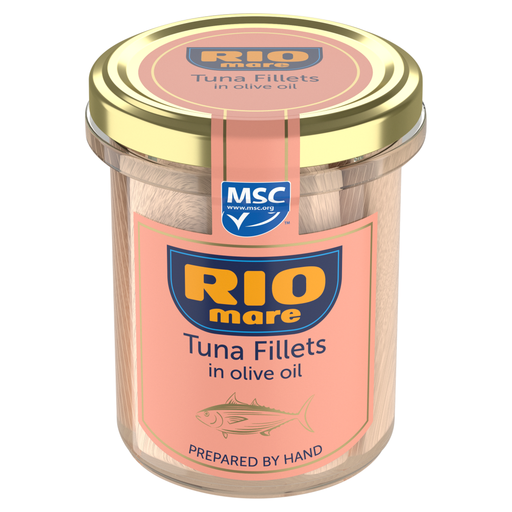 Image unavailable
Rio Mare Tuna Fillets in Olive Oil, 180g glass jar
Consider this fillet format when you want visible tuna pieces for a salad or sandwich. It is packed in olive oil and supplied in a 180g glass jar; check the current label for gluten-related information.
View on Joybuy
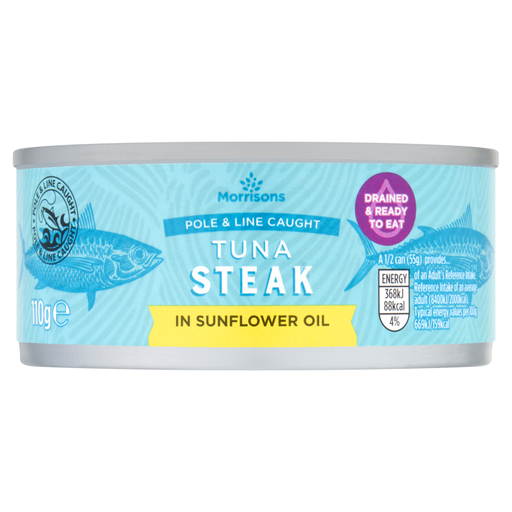 Image unavailable
Morrisons Drained Tuna Steaks with Sunflower Oil, 110g
This is a tinned steak option for meals where you want tuna pieces packed with sunflower oil. If avoiding draining matters, confirm the instructions on the pack: the product name says “Drained”, while its description says no draining is needed. Check the current gluten-related label information too.
View on Joybuy
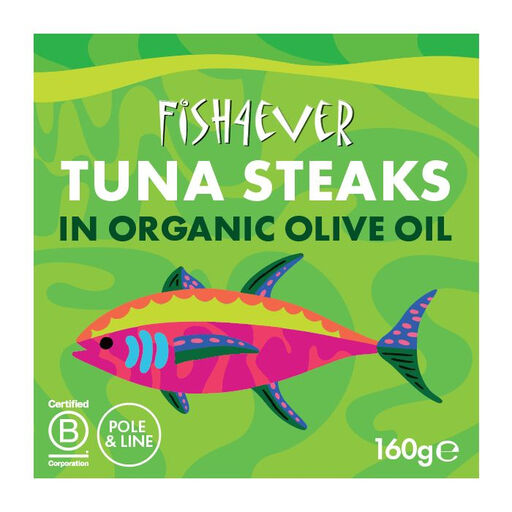 Image unavailable
Fish4ever Tuna Steaks in Organic Olive Oil, 160g
Choose this format to consider tuna steaks packed in olive oil for a meal where pieces remain visible. The pack is 160g and specifies organic olive oil; assess its current ingredients and gluten-related wording before coeliac use.
View on Joybuy
 Image unavailable
Tropical Sun Tuna Steaks in Sunflower Oil
This steak format is an option when sunflower oil suits the meal you are preparing. Check the pack’s current ingredients, allergen information and gluten-related wording rather than relying on the cut description.
View on Joybuy
 Image unavailable
John West No Drain Tuna Chunks in Springwater, 3 × 100g
Consider these chunks for a quick sandwich filling or mixed salad when a no-drain format is useful. This is a three-tin spring-water pack, not a steak or fillet product; check its current label for gluten-related information.
View on Joybuy
Questions about choosing tuna
Is plain tinned tuna automatically suitable for a gluten-free diet?
No: assess the current label of the exact product rather than assuming that plain tuna, a particular cut or a familiar brand is suitable. Coeliac UK advises shoppers to read food labels, and ingredients can differ between packing media and flavours.
Are tinned tuna fillets the same as fresh tuna fillets?
No. Tinned fillets are cupboard products, while fresh tuna belongs to the chilled-fish category and calls for different storage and cooking plans. Tesco lists the two categories separately; choose according to whether you need ready-to-use tuna or a steak to cook.
Should I choose tuna in spring water or oil?
Choose by the ingredients and packing medium you want for the meal, then assess the exact pack for gluten suitability. Sainsbury’s lists skipjack tuna and spring water for its spring-water steak, while its sunflower-oil steak also lists sunflower oil and salt; those ingredient lists apply to those variants, not every tuna product.
How should I store tuna after opening it?
Follow the instructions on the particular tin or pot. For example, Sainsbury’s listing for a John West no-drain fridge pot says to replace the lid, refrigerate and use within two days; do not apply that pot’s instructions to every tinned tuna product.


