Carbohydrate-focused shoppers
You want to check the tin’s carbohydrate figure and ingredients, then choose separately what else goes into your keto meal.


For a keto-friendly tin, check the carbohydrate figure and ingredients on the exact product before choosing spring water, brine or oil. Treat organic status as a separate requirement: oil-packed tuna may suit a meal where you want oil included, but neither its packing medium nor a responsible-sourcing claim establishes that the tuna is organic.
You want to check the tin’s carbohydrate figure and ingredients, then choose separately what else goes into your keto meal.
You require an organic claim for the tuna itself. An MSC, pole-and-line or responsible-sourcing statement does not answer that question.
You would rather buy tuna already packed in oil than add it while assembling a meal, but still need to check the oil type and nutrition panel.
For keto-friendly tinned tuna, assess the recipe and carbohydrate figure first; check an organic claim independently of how the tuna is packed.
| Concern | What to check | Who this matters to |
|---|---|---|
| Carbohydrate and ingredients | Read carbohydrate and sugars per 100g, then check the full ingredients, particularly in flavoured or sauce-based products. | If I am building a keto meal around plain tuna, I want to know what is in the tin before adding anything else. About 36% of consumers put a verifiable carbohydrate figure and simple ingredients first. |
| Organic status | Look for an explicit organic claim for the tuna on the specific product and check its certification information; do not substitute fishing-method or sourcing claims. | When organic production is a requirement for me, an MSC logo or a traceability statement cannot stand in for an organic claim. Roughly 29% of consumers prioritise verifying organic status. |
| Oil and meal preparation | Check the packing oil, fat figure and whether you intend to use or drain the oil. | I may prefer oil already in the tin rather than adding it when I prepare the meal. Around 21% of consumers chiefly want that included-fat convenience. |
| Salt and pack format | Compare salt on the same stated nutrition basis and check can size when choosing a multipack. | If I keep several tins in the cupboard, the individual can size and salt declaration matter to my choice. About 14% of consumers make salt and pack format their primary concern. |
MSC certification, pole-and-line catching and traceability describe different aspects of sourcing. GOV.UK says food labelled organic must meet organic production rules; sourcing language alone does not establish that claim.
If organic tuna is essential to your purchase, check the exact product’s organic wording and certification information.
Plain tuna examples can list very little carbohydrate, but that does not establish the figures for a flavoured, sauce-based or salad-style recipe.
Read carbohydrate and sugars per 100g alongside the ingredients of the tin you intend to buy.
Sainsbury’s lists 0.42g salt per 100g for its cited brine tuna, while Asda lists 0.90g per 100g drained for its cited spring-water multipack. The packing medium alone does not tell you the salt figure.
Compare the declared values on the exact products, paying attention to whether they refer to drained tuna.
A tin’s carbohydrate figure does not change the NHS advice on tuna during pregnancy.
If you are pregnant, follow NHS guidance of no more than four cans or two tuna steaks a week.
John West offers spring-water, brine, oil and no-drain tuna formats.
Princes sells tuna chunks and sandwich tuna in different packing media.
Tesco’s tinned-tuna assortment includes own-label and branded choices across several packing media.
Sainsbury’s lists own-label plain tuna with product-level nutrition and ingredient information.
Asda lists own-label tuna alongside branded alternatives, including spring-water multipacks.
M&S provides nutrition information for both spring-water chunks and olive-oil tuna steak.
These selections include spring-water and brine tuna for adding your own ingredients, plus sunflower-oil and olive-oil options for shoppers who want oil in the tin. Check each product’s own label if organic tuna is a requirement.
 No image available
Consider this spring-water format if you want smaller cans to combine with ingredients of your choice.
 No image available
This spring-water multipack suits a shopper who wants to choose separately what to add to the tuna.
 No image available
Choose brine-packed tuna as a plain base if you plan to add other meal ingredients yourself.
 No image available
Consider this option when you want oil included and sunflower oil suits the meal you are making.
 No image available
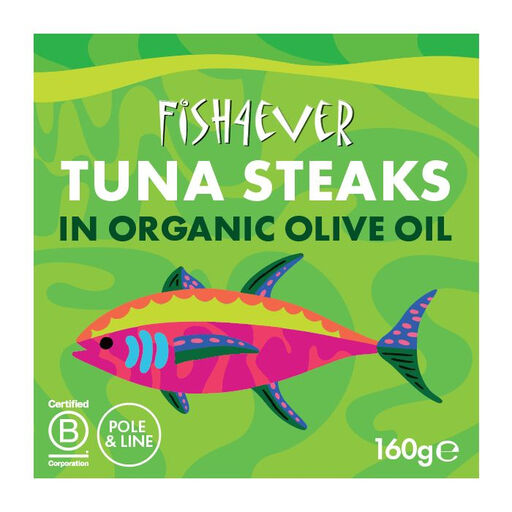
Consider this tin if you want olive oil included, while keeping your requirement for organic tuna separate.
No. Organic status concerns production and labelling, while the carbohydrate figure and ingredients of the particular tin inform your keto purchase. Check both independently; GOV.UK says products labelled organic must meet organic production rules.
Choose by what you want the tin to contribute to your meal, then check its label. M&S lists 0.6g fat per 100g for its cited spring-water chunks and 12.3g per 100g for its cited olive-oil steak; those product-specific figures do not establish the values of every tin in either format.
No. They describe sourcing or fishing methods, not an organic claim. If organic tuna is a purchase requirement, look for that claim and its certification information on the specific product.
Yes. The NHS advises no more than four cans or two tuna steaks a week during pregnancy. That guidance applies regardless of whether the tuna is chosen for a keto meal.