Busy lunchbox planners
For lunches prepared in a hurry, a no-drain format removes a preparation step. A smaller can may also mean less opened tuna to store when the intended portion is small.


For school-day lunches, choose no-drain tuna when quick preparation matters, or a smaller can if a larger one would leave leftovers. Spring-water chunks offer a straightforward option for meals across the week; oil- and brine-packed products have different packing media, so compare the exact pack’s ingredients, nutrition and storage instructions. Tuna contains fish and is unsuitable for someone with a fish allergy.
For lunches prepared in a hurry, a no-drain format removes a preparation step. A smaller can may also mean less opened tuna to store when the intended portion is small.
When tuna is going into sandwiches, jacket potatoes, pasta or salads across the week, can size, packing medium and the texture of chunks or steaks may matter more than single-portion convenience.
Tuna contains fish, which the Food Standards Agency identifies as an allergen. Check the purchased product’s ingredients, allergen information and after-opening instructions, particularly when choosing between variants.
Start with the portion and preparation you need, then check the exact can’s label before putting it in the cupboard.
| Concern | What to check | Who this matters to |
|---|---|---|
| Quick, low-mess preparation | Look for an explicit no-drain label and a can size that fits the intended lunch. | When lunch must be assembled quickly or away from a sink, avoiding a draining step is the priority. About 36% of consumers put preparation convenience first. |
| Meals across the week | Match the can size and chunk or steak format to the recipes you plan to make. | If the same cupboard ingredient needs to work in sandwiches and family meals, flexibility matters more than a single-serving pack. Around 29% of consumers make versatile meal use their primary concern. |
| Allergens and label details | Check the full ingredients, fish-allergen information and after-opening directions on the purchased can. | When preparing food for others, I need to identify allergens and know how to handle any leftovers. For about 21% of consumers, those label and storage checks come first. |
| Fishing method and traceability | Check whether a sourcing or certification claim applies to the exact product, rather than the brand generally. | If a stated catching method or traceability feature guides my choice, I want to see it on the can I am buying. Roughly 14% of consumers prioritise those sourcing details. |
Spring-water chunks, oil-packed steaks and other variants can differ in ingredients, nutrition and texture. Marks & Spencer lists different fat values per 100 g for its spring-water chunks and sunflower-oil steak; that comparison applies to those two products.
Choose for the intended recipe and compare the exact products’ ingredients and nutrition panels.
A large can used for a small lunch leaves tuna to store. The after-opening period varies: the cited Asda small-can product says to use refrigerated leftovers within two days, while the cited M&S oil-packed steak specifies 24 hours.
Match the can to the portion. Transfer unused contents to a suitable non-metallic container, refrigerate them and follow that pack’s instructions.
Tuna contains fish and is unsuitable for someone with a fish allergy. The word ‘tuna’ alone does not establish whether a particular product has any shellfish-related ingredient or warning.
Read the full ingredients and allergen information on the exact can when managing an allergy.
A catching-method or certification statement attached to one tuna product does not establish the same feature for every variant from that brand.
Check the wording on the product you intend to buy alongside its pack format and ingredients.
A reference point for choosing between spring-water chunks and a no-drain format.
A range to consider when the choice is between chunks, sandwich tuna, steaks and prepared tuna formats.
An own-label option for spring-water chunks in different can sizes.
Product lines to compare when both tuna texture and packing medium matter.
These tuna packs cover no-drain portions and chunks in spring water or brine for lunches and meals across the school week. Choose by the preparation needed, the amount you expect to use and the exact pack label.
 Image unavailable
Consider this pack when a lunch needs to be assembled without draining tuna. It contains three 100 g cans of no-drain chunks in springwater. Tuna contains fish; check the purchased pack’s allergen and after-opening instructions.
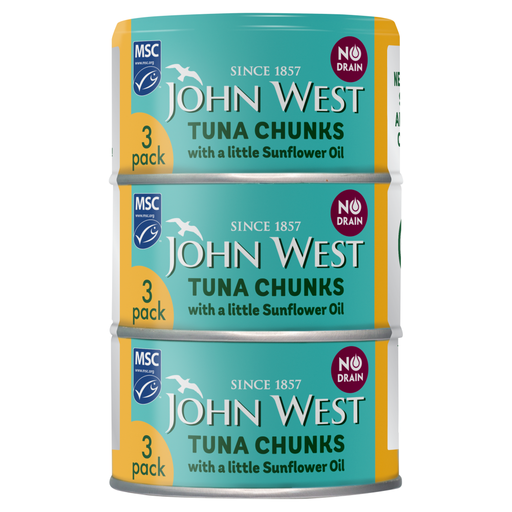 Image unavailable
This no-drain format offers three 100 g cans for quick preparation when sunflower oil suits the intended meal. Compare its nutrition panel with any spring-water option you are considering, and check the exact pack for allergen and storage information.
 Image unavailable
Spring-water chunks can be used across sandwiches, salads and pasta meals. The listing title indicates six 145 g cans, while its description also gives a 145 g net quantity; confirm the total pack contents before choosing it for repeated meals. Check the can for fish-allergen and storage details.
 Image unavailable
This four-can pack offers spring-water chunks for meals such as sandwiches, pasta or jacket potatoes. Each can is listed as 125 g. If avoiding a draining step is important, check this exact variant’s pack rather than relying on instructions that also mention the No Drain range.
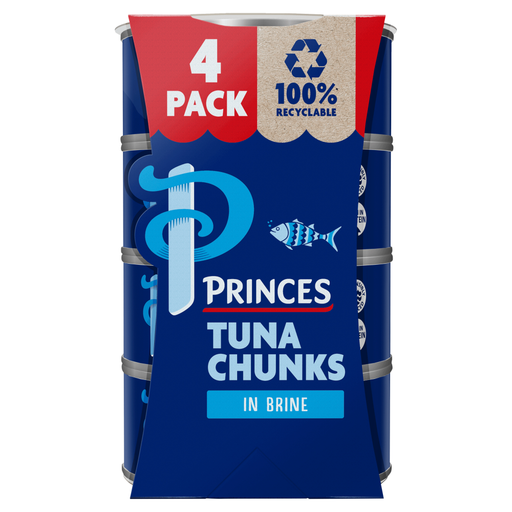 Image unavailable
Choose this four-can pack if brine-packed chunks fit the meals you plan to make. Each can is listed as 145 g. Check the exact label for salt, allergen and after-opening information; the product details also warn that small fish bones may remain.
No. Tuna contains fish, which the Food Standards Agency identifies as an allergen. Read the purchased product’s full ingredients and allergen information for any other relevant warnings; do not assume a shellfish warning from the word ‘tuna’ alone.
Follow that can’s storage instructions. The cited Asda small-can product directs shoppers to transfer unused contents to a suitable non-metallic container, refrigerate them and use them within two days; the cited M&S sunflower-oil steak specifies 24 hours. Check the period on the product you open.
Not necessarily. Marks & Spencer lists 0.6 g fat and 99 kcal per 100 g for its spring-water chunks, compared with 6.4 g fat and 159 kcal per 100 g for its sunflower-oil tuna steak. These are two specific products, so compare the panels on the exact cans you are choosing.
Choose a can size close to the amount you expect to use at one time if storing leftovers would be inconvenient. A larger multipack may suit repeated meals, but its individual cans can still leave unused tuna after a small lunch; check the can sizes and after-opening instructions before deciding.