Students preparing lunch at home
A multi-tin pack can supply tuna for sandwiches, wraps, pasta or salads prepared in a kitchen. Check the drained weight and the instructions for storing anything left after opening a tin.


For lunches prepared at home, a standard tuna multipack lets you drain and portion the fish in a kitchen; compare can count and drained weight before choosing a larger pack. If you need to open tuna between lectures without a sink, consider a smaller no-drain format instead. Check the packing liquid’s nutrition panel and whether you can refrigerate any leftovers.
A multi-tin pack can supply tuna for sandwiches, wraps, pasta or salads prepared in a kitchen. Check the drained weight and the instructions for storing anything left after opening a tin.
A smaller no-drain pack is worth considering when draining a conventional tin on campus would be awkward. Compare its can size and count with a standard multipack rather than treating the formats as equivalent.
Spring-water, brine and oil-packed tuna have different nutrition panels, so check the exact variant. Tuna contains fish; anyone with a fish allergy needs to check the label regardless of packing liquid. NHS guidance also limits tuna consumption during pregnancy.
Decide where you will open the tin, then compare the amount of tuna, packing liquid and storage instructions for the formats that fit.
| Priority | What to check | Your needs |
|---|---|---|
| Usable quantity | Compare can count, net weight and drained weight. Tesco Groceries lists 4 × 10²g drained weight for its 4 × 145g spring-water pack. | I’m preparing several lunches and want to know how much tuna the pack provides once the liquid is drained. |
| Packing liquid | Read the nutrition panel for the exact variant, using the same per 100g drained basis. Sainsbury’s lists 0.12g salt for its spring-water tuna and 0.42g for its brine tuna per 100g drained; its sunflower-oil version lists 178kcal and 8.5g fat on that basis. | A particular flavour or nutrition value matters to me, so I don’t want to assume that water, brine and oil versions match. |
| Where you eat | Check whether the pack is labelled no-drain and whether its can size suits one lunch. A conventional tin may need draining before you add it to food. | If I’m making lunch at home, I can use a kitchen. Between lectures, opening a smaller no-drain can may be more practical. |
| Leftovers | Read the exact pack’s instructions for transferring, refrigerating and using opened tuna. Tesco’s cited tins say to move unused contents to a covered non-metallic container, refrigerate and consume within 2 days. | I need a tin size I can finish, or a way to refrigerate what remains after opening it. |
| Ingredients | Check the fish allergen declaration and any other ingredients on the exact label. For pregnancy, NHS guidance says no more than 4 cans of tuna a week. | Before buying several tins, I need to know whether the ingredients and any applicable tuna guidance fit my circumstances. |
Packing liquid matters: Sainsbury’s lists different salt values for its spring-water and brine variants, while its sunflower-oil variant has a different fat and energy profile.
Choose the packing liquid for your recipe, then compare nutrition panels on the same per 100g drained basis.
Net weight includes the packing liquid. Two tins with similar front-of-pack weights need not provide the same amount of drained tuna.
Check drained weight and can count when planning how many lunches a multipack will cover.
Unused tuna needs the storage described on its pack; a larger tin is awkward if you cannot refrigerate the remainder.
Choose a size you can finish, prepare portions in a home kitchen, or consider a smaller format for eating on campus.
Saving part of a tin also means having a suitable container and access to refrigeration.
NHS guidance limits tuna during pregnancy to no more than 4 cans a week because tuna can contain higher levels of mercury than other fish.
If you are pregnant, account for tuna eaten across meals rather than considering each lunch tin separately.
Tesco Groceries lists own-label 4 × 145g tuna multipacks in spring water and brine.
Tesco Groceries lists Princes tuna chunks in spring water as a 4 × 145g multipack.
John West appears in both conventional multi-tin and smaller no-drain formats.
Sainsbury’s lists own-label 4 × 145g tuna chunks in spring water, brine and sunflower oil.
The cited M&S tuna-steak multipack uses larger 200g tins, which may suit meal preparation where the opened contents can be used or stored.
These packs cover multi-tin options for preparing lunch at home, alongside one smaller no-drain option for opening tuna between lectures. Check each pack’s drained weight and storage directions against how you plan to use it.
 No image available
Six spring-water tins give you several cans to use for home-prepared lunches. Check the drained weight when planning portions; after opening a tin, the product instructions say to transfer leftovers to a non-metallic container, refrigerate and use within 2 days.
 No image available
This four-tin spring-water pack is an option for sandwiches, salads or pasta prepared at home. Check its drained weight for portion planning and the physical pack instructions before relying on it for eating without draining on campus.
 No image available
The labelled no-drain format and smaller tins suit opening tuna away from a kitchen. Check the exact pack instructions before taking it to campus; opened leftovers still require refrigeration.
 No image available
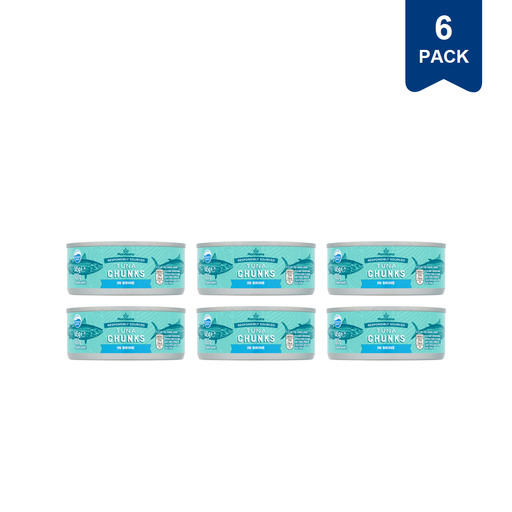
Six brine-packed tins offer a multi-lunch format for preparation at home. The product information lists 0.9g salt per 100g drained; check that value against your preferences and check drained weight when planning portions.
 No image available
This four-tin sunflower-oil pack is an option for home-prepared wraps, salads or pasta. Compare its nutrition panel with the exact spring-water or brine product you are considering; the product information warns that some bones may remain.
Use drained weight to compare how much tuna remains after the packing liquid is removed, alongside can count and size. Tesco Groceries lists its cited 4 × 145g spring-water pack as 4 × 10²g drained.
No single packing liquid suits every recipe or preference. Spring water, brine and sunflower oil have different nutrition panels: the cited Sainsbury’s spring-water and brine tins differ in salt, while its oil-packed version has a different fat and energy profile. Check the exact product label.
Follow that tin’s storage instructions and refrigerate leftovers rather than leaving them in a bag or locker. Tesco’s cited products say to transfer unused contents to a covered non-metallic container and use within 2 days; for the cited M&S pack, follow its physical label because the retailer listing gives conflicting periods.
No. Tuna is fish regardless of whether it is packed in spring water, brine or oil. Check the ingredients and allergen declaration on the exact pack if you have a fish allergy.
Yes. NHS guidance says that people who are pregnant should have no more than 4 cans of tuna a week. Count tuna across meals when considering a multipack, not just the tins used for lecture lunches.