First-shop cupboard planners
If you want several meals from one multipack, the tin count and drained quantity help you judge how much tuna you can use. John West and Princes product listings show why net tin sizes alone do not answer that question.


For a first food shop, choose a tuna multipack by the number of tins you expect to use and the drained quantity per tin, then decide which packing liquid suits your meals. A four-tin spring-water or brine pack offers separate portions for several meals; a three-tin no-drain oil pack is a different format for shoppers who want to skip draining.
If you want several meals from one multipack, the tin count and drained quantity help you judge how much tuna you can use. John West and Princes product listings show why net tin sizes alone do not answer that question.
For sandwiches, salads, jacket potatoes or pasta, consider whether one tin fits a meal and whether you want to drain it. John West lists both conventional and no-drain formats.
If the packing liquid or fishing method matters to you, check the statement on the exact product. Princes and M&S describe sourcing attributes for particular tins, not every product bearing their names.
Start with usable portions, then consider preparation and the product-specific details that matter to you.
| Concern | What to check | Who this matters to |
|---|---|---|
| Usable portions | Compare tin count and drained weight per tin where stated; net weights can include different amounts of liquid. | If I am stocking a cupboard for several meals, I want to know how much tuna each tin provides. About 43% of consumers put usable portions first. |
| Quick preparation | Check tin size, whether draining is needed and the label’s instructions for leftovers. | When lunch needs to be quick, opening a suitable portion without an extra draining step matters most to about 29% of consumers. |
| Liquid and sourcing | Read the exact product’s ingredients and nutrition table, plus any product-specific fishing or certification statement. | I may want spring water, brine or oil to suit a particular meal, or care about a stated fishing method. Those product details are the primary concern for about 28% of consumers. |
The checked John West 4 x 125g brine pack and Princes 4 x 145g spring-water pack each state 102g drained tuna per tin, despite their different net weights.
Use the drained quantity, where stated, to plan portions from water- or brine-packed tuna.
A no-drain sunflower-oil product is not the same format as tuna packed in spring water or brine. The checked John West oil product lists 170 kcal and 6.9g fat per 100g.
Choose the liquid for the meals you plan and read the nutrition information on that exact pack.
If one tin is more than you need for a meal, its after-opening instructions affect how you can use the remainder.
Match the tin size to your portions. Follow the exact product label for transferring, refrigerating and using leftovers.
The checked Princes and M&S sourcing statements concern particular products; other formats may carry different statements.
Check the fishing-method or certification wording on the tin you intend to buy.
Own-label four-tin chunks in spring water or brine for shoppers planning several cupboard meals.
Four-tin spring-water and brine chunks, alongside a distinct three-tin no-drain format.
Four-tin chunks available in different packing liquids.
Own-label spring-water chunks in a smaller multipack format.
A single-tin option if a planned meal matters more than stocking several separate tins.
These selections cover four-tin brine and spring-water packs, a three-tin no-drain sunflower-oil pack and a six-tin spring-water pack. Choose by the portions and packing liquid you intend to use.
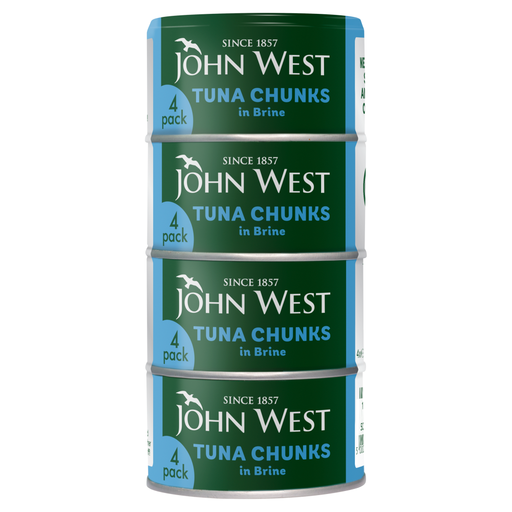 Image unavailable
For meals that use a separate tin at a time: four 125g tins, with 102g drained tuna per tin stated for this matching pack. The listed ingredients are tuna, water and salt.
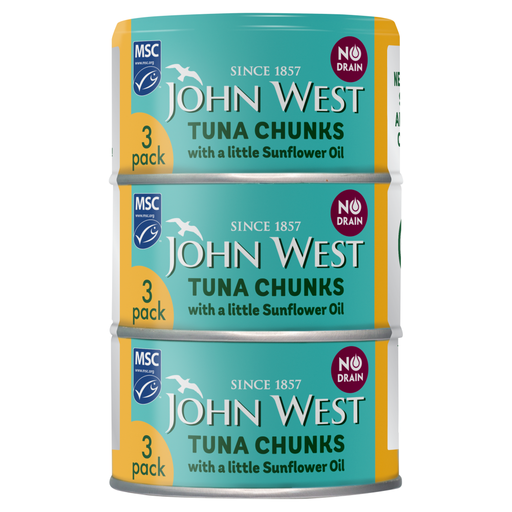 Image unavailable
For meals where you want to skip draining: this pack contains three 100g tins of tuna in sunflower oil. Its listing gives 170 kcal and 6.9g fat per 100g; read its nutrition table rather than substituting figures from a water-packed tin.
 Image unavailable
For sandwiches, salads or pasta when you prefer tuna packed in spring water: the pack contains four 125g tins, and the listing names spring water and salt among the ingredients. Check the drained quantity on the pack when planning portions.
 Image unavailable
For keeping four brine-packed tins for separate meals: this variant contains four 145g tins and lists tuna, water and salt as ingredients. Check this brine pack’s drained quantity rather than using the figure from a Princes spring-water variant.
 Image unavailable
For a cupboard plan that calls for six separate tins: this pack contains six 145g tins. The listed ingredients are skipjack tuna, spring water and salt; check the drained quantity on the pack to plan how much tuna each meal will use.
For tuna in water or brine, drained weight tells you how much fish remains after draining, where the pack states it. The checked John West brine and Princes spring-water four-packs both state 102g drained per tin despite different net tin weights.
Follow the instructions on that product’s label. The checked M&S, John West and Princes instructions say to transfer unused tuna to a suitable container, refrigerate it and use it within two days.
No. The checked John West No Drain product is packed in sunflower oil, while its spring-water product uses a different packing liquid. Check the exact tin’s ingredients and nutrition table before choosing between them.
Yes. The checked tuna products identify fish as an allergen; read the label on the exact product each time you buy it.