What to check before choosing
Start with the meals and portions you need for the week, then decide which filling and handling format fits them.
| Concern |
What to check |
Who this matters to |
| Enough tuna for the week |
Count the tins and compare their stated weights and drained weights. A 145g tin does not necessarily provide 145g of drained tuna. |
If I have several tuna meals planned, I want enough separately sealed portions without opening a large tin at once; about 33% of consumers put that need first. |
| Filling and recipe fit |
Check whether the tuna comes in spring water, brine or oil, and read the ingredients and per-100g nutrition for that product. |
When I am adding my own sauce or dressing, I want to choose the packing liquid deliberately; roughly 27% of consumers make the meal’s filling their primary concern. |
| Low-mess portions |
Confirm that the exact pack says no drain, then check its tin count and individual tin weight. |
For a quick individual lunch, I would rather avoid draining a tin than buy more tuna than that meal calls for; about 20% of consumers chiefly want that convenience. |
| Label and sourcing checks |
Read the exact can for fish allergen information, storage directions and any certification or catch-method claim. |
If a household member has a fish allergy, or a stated sourcing method guides my choice, the individual label matters most; approximately 20% of consumers put these checks first. |
Tuna multipacks on Joybuy
These conventional tuna-chunk multipacks offer four or six separately packed tins for meals across a weekly shop. Compare their tin sizes and choose between brine, spring water and sunflower oil according to the dishes you have planned.
 No image available
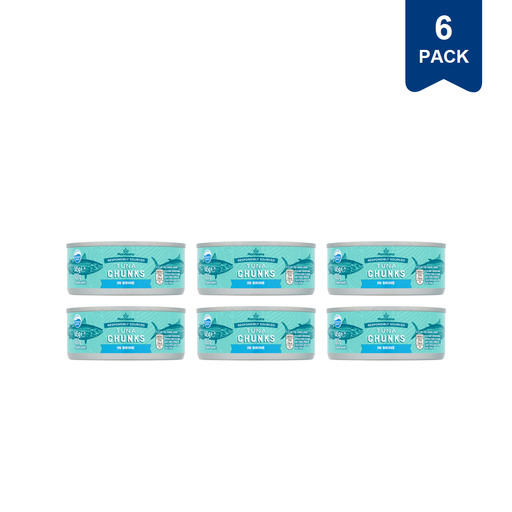
Morrisons Fad Free Tuna Chunks in Brine, 6 x 145g
Six separate tins suit a plan that uses tuna in several meals during the week.
Tuna chunks in brine; each tin is labelled 145g. Check the pack’s drained weight when working out how much tuna each meal will have. Contains fish.
View on Joybuy
 No image available
Morrisons Fad Free Tuna Chunks in Spring Water, 6 x 145g
Six separate tins suit repeated meals where you plan to add your own sauce or dressing.
Tuna chunks in spring water; each tin is labelled 145g. Compare the stated drained weight with the amount your recipes require. Contains fish.
View on Joybuy
 No image available
John West Tuna Chunks in Springwater, 4 x 125g
Four separate tins suit meals planned for different days, with a smaller stated tin size than the 145g four-packs shown here.
Tuna chunks in spring water; each tin is labelled 125g. Check the drained weight and opened-tin storage directions on the pack. Contains fish.
View on Joybuy
 No image available
Princes Tuna Chunks in Brine, 4 x 145g
Four separate tins suit a week with several planned tuna meals when brine is the preferred filling.
Tuna chunks in brine; each tin is labelled 145g. Contains fish, and the product information warns that small fish bones may remain.
View on Joybuy
 No image available
Princes Tuna Chunks in Sunflower Oil, 4 x 145g
Four separate tins suit meals spread through the week when sunflower oil is wanted as part of the dish.
Tuna chunks in sunflower oil; each tin is labelled 145g. Check this pack’s per-100g nutrition if comparing it with a spring-water version. Contains fish.
View on Joybuy
Questions about tinned tuna multipacks
How do I compare packs with different numbers of tins?
Compare the tin count, each tin’s stated weight and the drained weight where it is given. A 4 x 145g pack and a 3 x 100g no-drain pack are different amounts and may suit different numbers of meals.
Should I choose tuna in spring water or sunflower oil?
Choose according to whether you want to add your own sauce or use the packing oil in the dish, then check the exact nutrition label. The Princes spring-water product listed by Joybuy has 0.5g fat per 100g drained; the Princes sunflower-oil four-pack listed by Sainsbury’s has 9.5g per 100g drained. Those figures describe the specified products, not every tuna pack in either filling.
What should I do with tuna left after opening a tin?
Follow that tin’s storage instructions and refrigerate unused tuna. The John West No Drain and M&S products described here say to consume opened tuna within two days; check the directions on any other pack you buy.
Does tinned tuna count as oily fish?
No. The NHS says fresh and canned tuna do not count as oily fish. If you are checking fish guidance for pregnancy, breastfeeding or a child, consult the NHS advice relevant to that person rather than applying a single household rule.
What should I check if someone has a fish allergy?
Tuna is fish, so read the current ingredients and allergen information on the exact pack before choosing it. Do not rely on the label you remember from a previous purchase or on an image of another variant.


