Parents putting together a quick lunch
A no-drain tin avoids a draining step. If several people are eating, a standard tin may be easier to use in one shared meal.


Choose a smaller no-drain tin when quick preparation and avoiding leftovers matter most; a standard tin makes more sense when lunch is shared or the tuna goes into a larger meal. For a sandwich or wrap, check whether you want chunks or a chunks-and-flakes texture. Whichever format you choose, compare the usable amount and current label, and plan how you will store anything left after opening.
The useful distinction for a school-holiday lunch is how much tuna you will open and what preparation the meal needs.
A no-drain tin avoids a draining step. If several people are eating, a standard tin may be easier to use in one shared meal.
Compare the amount in each tin with the meal you are making. Check drained weight on tins packed in liquid: Tesco lists its 160g spring-water tin at 112g drained.
Tuna is fish, so check the current allergen label. Read any bone warnings and the instructions for refrigerating unused contents before opening a tin you may not finish.
Start with the amount needed for this lunch, then choose the preparation format and read the label details that affect serving or storing it.
| Priority | What to check | Your needs |
|---|---|---|
| Amount to use | Check individual tin size and, where stated, drained weight. Tesco lists 112g drained weight for its 160g spring-water tin. | If I am making one small lunch, I want to open an amount I can use; for a shared meal, a larger tin may fit. |
| Preparation and texture | Check whether the tin needs draining and whether the tuna is chunks or a chunks-and-flakes mix. John West describes its named No Drain spring-water product as ready to use without draining. | For a hurried sandwich, I would rather choose the draining step and texture before I start making the filling. |
| Ingredients and allergens | Read the current ingredients and fish-allergen information. Check for any other allergen statements relevant to the people eating. | I need to know whether everyone eating this lunch can have the specific product, not just tuna in general. |
| Salt information | Compare salt using the same per-100g basis on current packs; check whether a figure refers to the drained product. | If salt is part of my choice, the words “in spring water” alone do not give me the comparison I need. |
| Leftovers and serving | Read the pack’s storage instructions and any bone warning. Marks & Spencer instructs buyers of its cited tuna to move unused contents to a non-metallic container, refrigerate them and eat them within 2 days. | When some tuna may be left after lunch, I want a container ready and the pack’s time limit clear. |
| Fish variety | Distinguish canned tuna from oily fish when planning different fish meals: the NHS says canned tuna does not count as oily fish. | If I am choosing fish meals for the week, I do not want to mistake a tuna lunch for an oily-fish choice. |
Pack weight and usable amount can differ. Tesco lists 112g drained weight for its 160g spring-water tin.
Compare net and drained weights where available, then decide whether the meal will use the whole tin.
“In spring water” describes the packing medium, not the salt figure on the nutrition panel.
Compare the current packs on a like-for-like per-100g basis if salt matters to your choice.
Marks & Spencer’s cited product instructs buyers to transfer unused contents to a non-metallic container, refrigerate them and eat them within 2 days.
Prepare a covered container if you expect leftovers, and follow the instructions on the tin you buy.
The NHS says fresh and canned tuna do not count as oily fish.
Keep that distinction in mind when choosing different fish meals; a tuna lunch does not fill an oily-fish role.
These named products illustrate format and label checks; a detail for one tin should not be assumed to apply to its whole brand.
John West describes its No Drain Tuna Chunks in Spring Water MSC as ready to use without draining.
Princes lists a 145g size for its Tuna Chunks in Spring Water.
Tesco lists its Tuna Chunks in Spring Water as a 160g tin with 112g drained weight.
Marks & Spencer lists a 160g Tuna Chunks in Spring Water product.
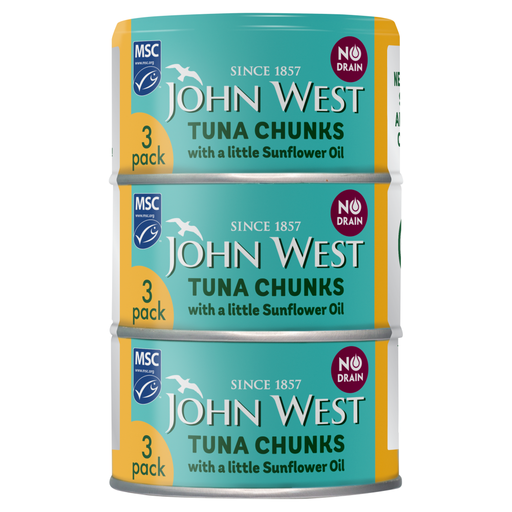
These options include smaller no-drain tins and standard tuna chunks for school-holiday lunches. One no-drain option is packed in sunflower oil rather than spring water, so check the packing medium as well as the tin size.
 No image available
Consider the individual 100g tins when one lunch calls for a smaller amount without a draining step. This is a three-tin pack; check the current label for allergens and instructions after opening.
 No image available
This 145g tin is an option when lunch will use a standard tin of spring-water chunks. Check the pack’s drained weight if the amount available after draining will determine whether you have leftovers.
 No image available
Four separate 125g tins let you open one tin at a time across lunches. Check the current pack for drained weight and any preparation instructions; this product is not identified as a no-drain format.
 No image available
The individual 100g tins offer a no-drain format for a smaller lunch. This version is packed in sunflower oil, not spring water; check that distinction against the meal you intend to make.
 No image available
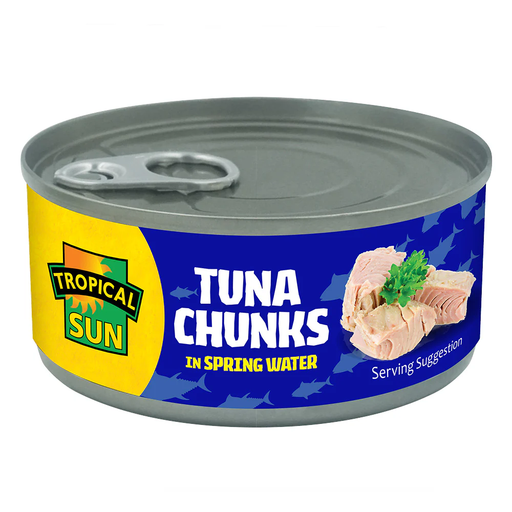
This 160g tin is an option when a larger lunch will use spring-water tuna chunks. Check the drained weight for portion planning, and read the current allergen and serving instructions before use.
Choose a smaller no-drain tin if avoiding the draining step and opening only a modest amount are your priorities. A standard tin may fit better when several people will share it or the tuna will go into a larger meal; compare drained weight where the pack gives it.
Follow the storage instructions on your pack rather than leaving unused tuna in the can. For its cited product, Marks & Spencer says to transfer unused contents to a non-metallic container, refrigerate them and eat them within 2 days.
Tuna is fish, so it is not suitable for someone with a fish allergy. Check the current product label for its full allergen information before serving.
No. The NHS says fresh and canned tuna do not count as oily fish, so a tuna lunch should not be counted as an oily-fish choice.