Pasta and antipasto planners
In a simple pasta, salad or sharing dish, the packing oil and the size of the tuna pieces can affect what reaches the plate. Olive-oil tuna is worth considering when the oil will be served with the fish.


Choose tuna in olive oil when its oil and pieces will be noticeable in a simple pasta, salad or antipasto dish. Spring-water or sunflower-oil chunks can suit a sauce or bake where other ingredients provide the main flavour. For value, compare the drained tuna and portions you can serve, rather than treating total pack weight as the amount of fish.
In a simple pasta, salad or sharing dish, the packing oil and the size of the tuna pieces can affect what reaches the plate. Olive-oil tuna is worth considering when the oil will be served with the fish.
For several portions or a pasta bake, count the tins and check the drained quantity. A larger pack does not necessarily contain the same amount of usable tuna as another pack of similar total weight.
A no-drain format addresses handling at the worktop; an MSC-labelled product addresses certified fishery sourcing. Check the exact tin for whichever condition matters to you.
Decide first whether the packing liquid will become part of the dish, then match the amount of tuna and the preparation format to the meal.
| Concern | What to check | Who this matters to |
|---|---|---|
| Usable quantity | Check the number of tins and the drained weight; total pack weight also includes packing liquid. | If I am cooking for a group, I need enough fish for the planned portions, not simply a large pack on the shelf. About 40% of consumers put comparable usable quantity first. |
| Oil and texture | Check for olive oil, chunks or larger pieces, and added flavourings such as lemon. | For a lightly dressed pasta or antipasto plate, I want the tuna and its oil to contribute to the finished dish. Olive-oil flavour and visible pieces are the primary concern for about 30% of consumers. |
| Easy preparation | Look for a no-drain format or a packing liquid that lets you add your own oil. | When I am assembling the meal quickly, I would rather avoid draining or choose how much oil goes into the recipe. That preparation need comes first for about 20% of consumers. |
| Certified sourcing | Look for the MSC ecolabel on the exact product; assess its oil and portion size separately. | If certified fishery sourcing is my condition for choosing a tin, I need to check the product itself rather than rely on the brand name. It is the primary concern for about 10% of consumers. |
A tin’s stated weight can include oil or water. That matters when estimating how many portions a pack will provide.
Check the drained weight where it is stated and use the same weight basis when comparing packs.
Sunflower oil or spring water gives a different starting point from olive oil when the liquid is going into a simply dressed dish.
Decide whether you will drain the tuna, mix its liquid into a sauce or serve the oil with the fish.
Instructions differ by product. Sainsbury’s specifies use within one day for its olive-oil chunks after transferring unused contents to a non-metallic container and refrigerating them; the researched Rio Mare and M&S products specify use within two days.
Follow the storage and use-by-opening instructions on the exact pack, including any direction to transfer the contents to another container.
Its 4 × 145 g skipjack chunks in olive oil are presented for pasta, rice dishes and salads.
Its researched range includes sunflower-oil chunks in a 4 × 145 g pack and a 400 g tin, alongside steak formats.
Its 4 × 145 g skipjack chunks in sunflower oil are a multipack option for dishes with their own sauce or dressing.
Its No Drain chunks in spring water address preparation without a separate draining step.
Its Ocean Select yellowfin tuna steak in olive oil includes lemon flavouring.
Its 200 g skipjack tuna steak in olive oil is a larger-piece option for serving the tuna visibly.
These selections cover olive-oil tuna for simple dishes, spring-water and sunflower-oil multipacks for mixed dishes, and a no-drain option. Check the drained quantity on the chosen pack when planning portions.
 No image available
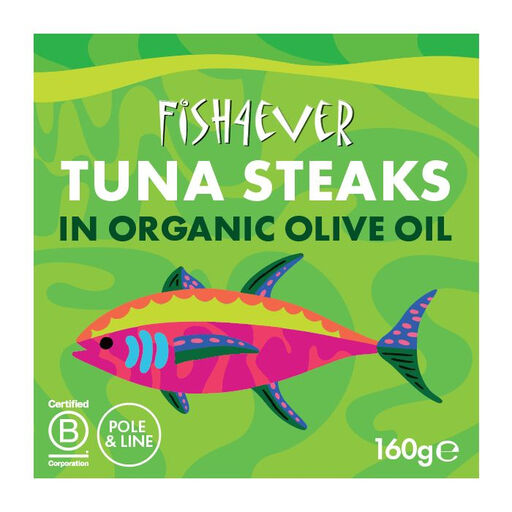
Consider this single tin when the tuna and its olive oil will be served in a simple pasta or salad. The steak format offers a different serving choice from chunks; check the drained quantity for your planned portions.
 No image available
Six tins give cooks separate portions for a group dish or several meals. The spring-water packing does not supply olive-oil flavour, so it suits pasta with another sauce or dressing.
 No image available
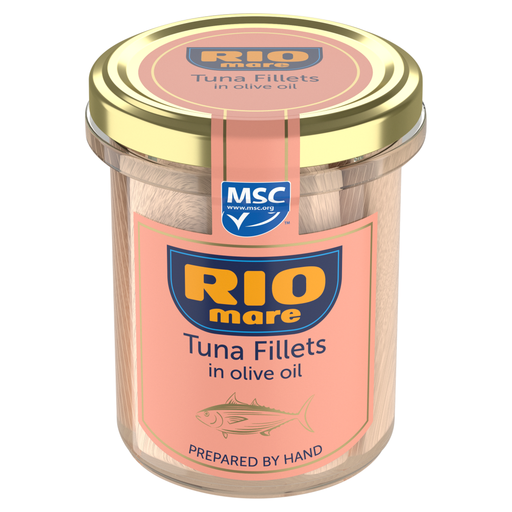
The jarred fillets are an option when olive oil and visible pieces are part of a pasta or salad. Check the exact label if MSC certification is a condition of your choice.
 No image available
The no-drain format reduces handling when assembling pasta or salad, while three smaller tins allow separate portions. Add your own olive oil if the dish calls for that flavour.
 No image available
This four-tin pack suits a pasta dish in which a sauce provides the main flavour. Its sunflower-oil packing is a different choice from olive-oil tuna when the oil itself will be served.
Choose it when the oil and fish will be tasted directly in a lightly dressed pasta. If the tuna is going into a strongly flavoured sauce or bake, spring-water or sunflower-oil chunks can also fit the recipe; compare drained quantities for the portions you need.
Not necessarily: the stated weight can include the packing liquid. Check the drained weight and number of tins when working out how much fish you can serve.
Follow the instructions on that product’s label. Sainsbury’s tells shoppers to transfer its researched olive-oil chunks to a non-metallic container, refrigerate and use within one day; the researched Rio Mare and M&S products specify use within two days after opening.
Yes. The researched tuna products list fish in their ingredients or allergy information. Check the exact tin and any added flavourings or recipe ingredients if an allergy affects the meal.