What to check when choosing tuna
When choosing tinned tuna for an older adult, establish any prescribed texture requirements before comparing the pack’s serving information, organic claim and salt declaration.
| Concern |
What to check |
Who this matters to |
| Safe texture |
Check the person’s swallowing plan and prescribed IDDSI level, if applicable; confirm the prepared food meets that requirement when served. |
If someone has a prescribed swallowing texture, I need to know whether the meal is suitable before serving ordinary chunks. About 31% of consumers put that texture requirement first. |
| Meal and portion fit |
Compare drained serving size, protein per labelled serving and packing medium with the meal being planned. |
When appetite or meal preparation makes a manageable protein ingredient important, I want a portion the person can use as part of a varied meal. Meal practicality is the primary concern for about 31% of consumers. |
| Organic credentials |
Look for an explicit product-level organic claim and information identifying the applicable certification. |
If the household specifically wants organic food, I need the tuna itself to meet that requirement, not merely carry a sustainability logo. That is the first consideration for about 23% of consumers. |
| Salt |
Compare salt per 100g and per serving on the exact pack; check whether it is packed in water or brine. |
When reducing salt in a meal, I want to compare cans by their labels rather than assume the packing medium tells the whole story. About 15% of consumers make salt their primary concern. |
Tinned tuna selections on Joybuy
These spring-water and sunflower-oil tuna options offer different packing media and pack formats for ordinary meals. Check the individual product if organic certification is essential, and follow any prescribed swallowing plan before serving tuna chunks.
 No image available
John West No Drain Tuna Chunks in Springwater, 3 x 100g
A three-can format to consider when planning separate tuna meals. The title identifies chunks packed in spring water; check the pack’s salt and serving declarations, and do not assume the chunks meet a prescribed swallowing texture or that the product is organic.
View on Joybuy
 No image available
John West Tuna Chunks in Springwater, 4 x 125g
A four-can spring-water option for comparing portions across planned meals. Check the nutrition declaration on the exact pack; neither the packing medium nor the chunk description establishes organic status or suitability for a prescribed texture.
View on Joybuy
 No image available
Morrisons Fad Free Tuna Chunks in Spring Water, 145g, 6 Pack
A six-pack to consider if several spring-water tuna meals are planned. Compare the labelled serving and salt information with the intended portions; the product name does not establish organic certification or a prescribed swallowing texture.
View on Joybuy
 No image available
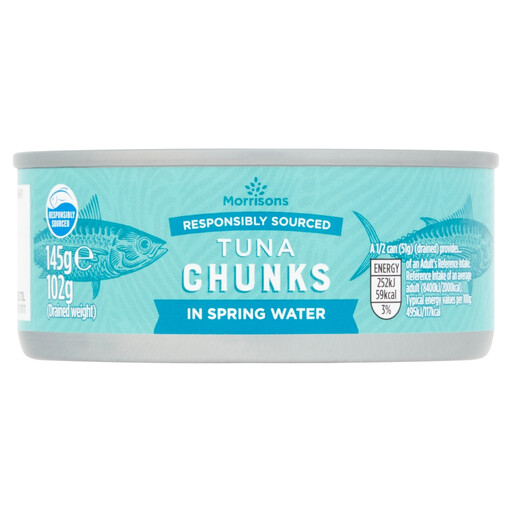
Morrisons Fad Free Tuna Chunks in Spring Water, 145g
A single-can spring-water format for a meal where one can is a useful size. Read the pack for its drained serving and salt values, and check organic credentials and any swallowing-texture requirement separately.
View on Joybuy
 No image available
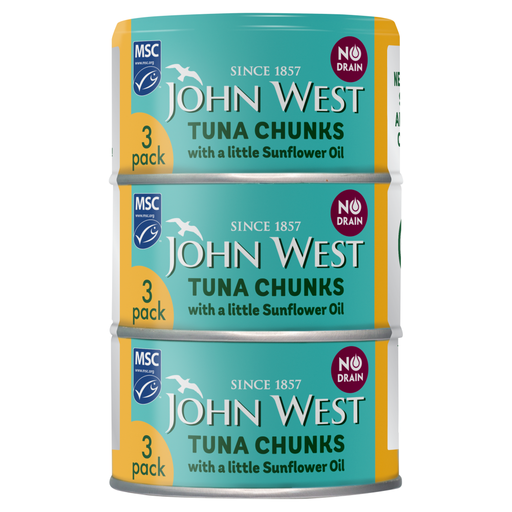
John West No Drain Tuna Chunks in Sunflower Oil, 3 x 100g
An oil-packed alternative when that packing medium fits the planned meal. The title specifies three 100g cans; compare the pack’s serving and nutrition declarations, and do not treat oil packing as evidence of organic status or suitability for a prescribed texture.
View on Joybuy
Common questions
Does organic have a legal meaning on UK tinned tuna?
Yes. Under Department for Environment, Food & Rural Affairs rules, food marketed as organic in the UK must meet applicable production rules, and the product and relevant suppliers must be certified by an approved organic control body. Check the claim and certification on the individual product rather than inferring them from a brand or sustainability label.
Is organic tuna automatically a better nutritional choice for an older adult?
An organic claim does not establish how the tuna fits an individual meal. Compare the labelled serving, protein and salt information, packing medium and any dietary advice that applies to the person; include tuna within a varied diet.
Does canned tuna count as oily fish?
No. The NHS states that fresh and canned tuna do not count as oily fish. If following its general guidance to include an oily-fish portion, consider a separate suitable option such as salmon, sardines or mackerel.
Can someone with dysphagia eat ordinary tinned tuna chunks?
Only if the texture is allowed by their individual swallowing assessment and plan. The International Dysphagia Diet Standardisation Initiative says clinicians recommend food textures for individual patients; prepare and check the meal according to that recommendation rather than assuming chunks or blended tuna will meet it.
Should I choose tuna in water or brine when reducing salt?
Compare salt per 100g and per serving on the exact product. The NHS advises choosing tinned fish in water instead of brine when cutting down salt; follow any individual clinical dietary advice as well.


