For wild-caught tinned tuna in Great Britain, do not use an organic label as your deciding filter: Soil Association Certification’s Great Britain organic standards say products from fishing wild animals cannot be sold as organic. Instead, check any sustainability claim on the exact pack, then choose the tuna’s packing medium and format for your dish. An organic ingredient, such as olive oil, does not make the tuna organic.
Who is choosing?
Hosts checking sustainability claims
If organic was your starting point, separate claims about the fish from claims about other ingredients. The Marine Stewardship Council says its blue MSC label applies to certified wild-caught seafood; check whether it appears on the exact pack you plan to serve.
Cooks matching tuna to a recipe
For a dish with its own spices, sauce or dressing, the packing medium affects what goes into the mix. Compare spring water, brine and oil on the ingredient panel rather than treating them as interchangeable versions of the same tuna.
Shoppers planning a platter or filling
Steaks and fillets may suit a dish where the pieces stay visible; chunks can be mixed into a filling or sauce. Check the format and drained quantity before deciding how many packs the menu needs.
What matters when buying?
For a world food night, settle the claim you want to rely on and the role tuna will play in the dish before comparing pack formats.
| Concern |
What to check |
Who this matters to |
| Wild-capture sustainability |
Look for an MSC label on the exact pack if independent fishery certification matters to you. Keep it distinct from an organic claim about another ingredient. |
If environmental claims guide the menu, I need to know what is certified rather than rely on broad wording. About 31% of consumers would put credible wild-capture information first. |
| Packing medium and flavour |
Read whether the tuna is packed in spring water, brine or oil, then check the ingredients and nutrition values on the stated basis. |
When I am adding my own sauce or seasoning, the liquid in the pack needs to suit the dish. Roughly 31% of consumers would make recipe fit their primary concern. |
| Texture and ingredients |
Choose between chunks, steaks and fillets for the intended presentation; inspect the ingredient list and drained weight. |
For a platter, I may want defined pieces; for a filling, I may prefer chunks that mix in. About 23% of consumers would prioritise format and ingredient control. |
| Portions and preparation |
Check the number of packs, drained quantity and whether the product is described as no-drain. |
If I am preparing several servings, I need enough usable tuna without adding an awkward draining step. Approximately 15% of consumers would put portions and serving convenience first. |
What is easy to overlook?
-
Searching for organic wild-caught tuna
Soil Association Certification’s Great Britain organic standards say products from fishing wild animals cannot be sold as organic. That rule concerns the wild-caught fish, not whether another ingredient in the pack is organic.
For wild-caught tuna, check the exact pack for the sustainability information you want and read organic wording for its precise ingredient scope.
-
Treating all sustainability wording as certification
A brand’s responsible-sourcing or catch-method statement is not the same claim as an MSC label. The Marine Stewardship Council describes its label as applying to seafood from fisheries certified to its wild-capture standard.
Check which statement appears on the product you are buying and whether it names a certification or describes a brand’s own practice.
-
Comparing pack sizes without checking usable tuna
A tin’s total weight does not necessarily tell you how much tuna remains after draining. A no-drain pack also changes the preparation step.
For dishes serving several guests, compare stated drained quantities and pack counts among formats that suit the same recipe.
-
Relying on a product page when serving guests
Marks & Spencer advises that product information may change. The physical pack is the practical place to check current ingredients, fish-allergen information and instructions for leftovers.
Read the label before preparing the dish, particularly if guests need ingredient information or some tuna will remain after opening.
Brands to consider
These ranges provide examples of formats and product wording to compare; a brand name alone does not establish an individual tin’s certification or ingredients.
John West
Tesco Groceries lists John West tuna among its UK tinned-tuna options, including no-drain formats and different packing media.
- Check its no-drain options if avoiding a draining step matters for quick assembly.
- MSC wording on one product does not establish certification across the range; check the individual pack.
Princes
Princes describes a range of tuna chunks, steaks and other formats. The brand says it can trace its canned fish to the original boat.
- The range offers different formats to match the way tuna will appear in a dish.
- Princes’ traceability statement is a brand claim, not an MSC certification for every product. Check the chosen pack for any independent label.
Tesco
Tesco Groceries lists own-label and branded tinned tuna in chunks, steaks and several packing media.
- The category gives shoppers several pack formats to compare for a planned recipe.
- A category listing cannot establish the catch method or certification of each individual tin.
Sainsbury's
Sainsbury's lists own-label tuna steaks in sunflower oil and an albacore steak product in extra-virgin olive oil; its sunflower-oil listing states pole-and-line capture.
- Named species, catch-method and oil details can help narrow down a presentation-led dish.
- The two products have different species and packing oils. Neither example establishes an organic claim for the tuna.
M&S
Marks & Spencer describes its spring-water tuna chunks as pole-and-line caught and responsibly sourced under its own Forever Fish policy.
- The stated catch method and spring-water packing give two specific details to check against the menu.
- Responsible sourcing is Marks & Spencer’s own claim; read the exact pack for its current ingredients and any certification label.
Joybuy tuna options
For a world food night, these options cover olive-oil tuna for dishes where the oil and larger pieces are welcome, plus spring-water and brine chunks for recipes you will mix or season yourself. The Rio Mare option is a glass jar rather than a tin.
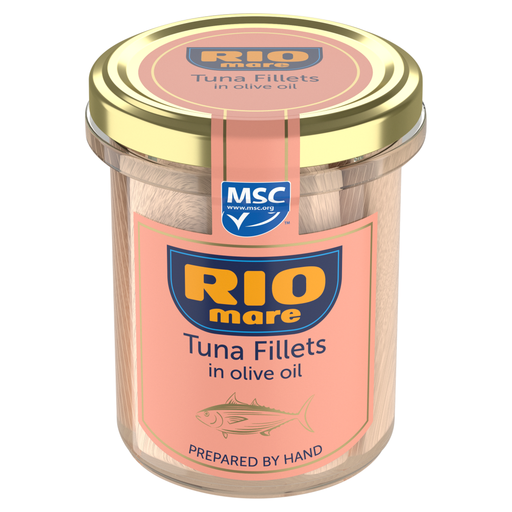 Image unavailable
Rio Mare Tuna Fillets in Olive Oil, 180g glass jar
Consider these fillets for a platter or salad where olive oil suits the dish. The product description identifies skipjack tuna; it also claims MSC certification, so check the exact jar for the label before relying on that claim.
View on Joybuy
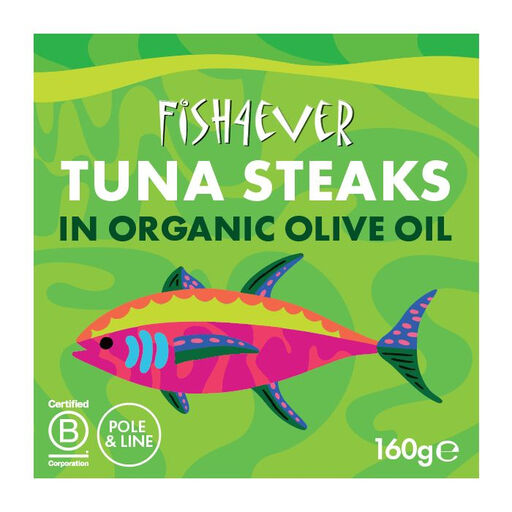 Image unavailable
Fish4ever Tuna Steaks in Organic Olive Oil, 160g
The steak format and olive oil may suit a dish that calls for visible pieces and an oil component. The product information identifies skipjack tuna and describes the olive oil as organically certified by Ecocert Portugal; that claim applies to the oil, not the tuna.
View on Joybuy
 Image unavailable
John West No Drain Tuna Chunks in Springwater, 3 × 100g
These no-drain chunks are an option for a filling or salad assembled with your own seasoning. The listed ingredients are tuna, water and salt; check the pack if a particular catch method or certification matters to you.
View on Joybuy
 Image unavailable
Morrisons Fad Free Tuna Chunks in Spring Water, 6 × 145g
The six-pack offers separate cans for preparing multiple portions of a mixed dish. The product information identifies skipjack chunks with tuna, water and salt; check the exact cans for catch-method or certification details if those affect your choice.
View on Joybuy
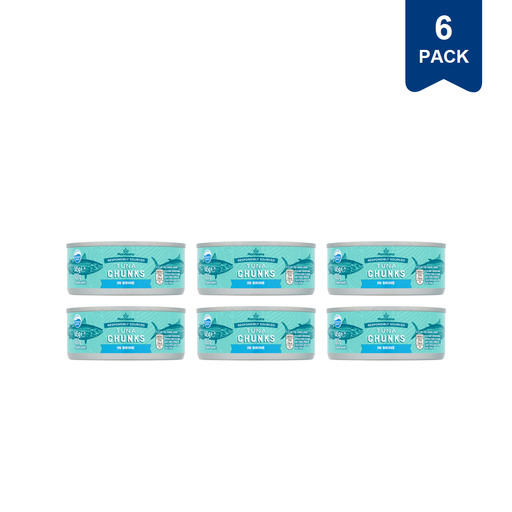 Image unavailable
Morrisons Fad Free Tuna Chunks in Brine, 6 × 145g
Choose the brine version if its seasoning suits a filling or other mixed dish. This six-pack contains 145g cans of skipjack chunks; the product information lists water and salt and warns that bones may remain. Check the label before serving.
View on Joybuy
Common questions
Can wild-caught tinned tuna be sold as organic in Great Britain?
No. Soil Association Certification’s organic standards for Great Britain say products from fishing wild animals cannot be sold as organic. If a tuna product names an organic ingredient, check whether the claim refers only to that ingredient.
What does an MSC label on tuna tell me?
The Marine Stewardship Council says its blue label applies to wild-caught seafood from fisheries certified to its sustainability standard. It is not an organic label, and it does not tell you whether the tuna is packed in water, brine or oil.
Should I buy tuna in spring water, brine or oil for my dish?
Use the intended recipe to choose: spring water leaves you to add the dish’s flavourings, brine adds salt, and oil contributes its own flavour and texture. Read the exact ingredients and compare nutrition values on the same stated basis if those differences matter to you.
How should I store tuna after opening it?
Follow the storage instructions on the exact pack, including its directions for any unused contents. Check those instructions before preparing more tuna than the dish needs.
Does organic olive oil make a tuna product organic?
No. Organic wording for the olive oil identifies that ingredient, not the tuna or necessarily the whole product. GOV.UK says a food product must meet organic production rules to be labelled organic; read the scope of the claim on the pack.


