Organic-claim checkers
If you prefer organic food, read the wording closely enough to tell whether it describes the tuna, the packing oil or another ingredient. In Great Britain, GOV.UK says food described as organic must be inspected and certified.


Check which ingredient an organic claim describes: Ocado’s Fish4Ever listing names organic olive oil, but that wording does not establish that the tuna itself is organic. For a meal where you are tracking calories, compare the nutrition figures on the same per-100g basis and for the portion you will eat. Spring-water tuna offers a plain base; choose oil-packed tuna when the oil has a deliberate place in the meal.
If you prefer organic food, read the wording closely enough to tell whether it describes the tuna, the packing oil or another ingredient. In Great Britain, GOV.UK says food described as organic must be inspected and certified.
If tuna is a regular lunch ingredient, compare energy, protein and salt using the same per-100g basis, then check how much tuna you will actually use.
If you want tuna ready for a salad, jacket potato or sandwich, consider the packing medium alongside the other ingredients you plan to add.
For tinned tuna chosen with both weight management and an organic preference in mind, check the claim’s scope before comparing nutrition and how the tin fits your meal.
| Concern | What to check | Who this matters to |
|---|---|---|
| Organic claim | Read the exact claim, ingredients and certification details. Check whether “organic” describes the tuna or the oil. | If I want an organic ingredient, I need to know which part of the tin the claim covers before choosing it; about 45% of consumers put claim scope first. |
| Nutrition and portion | Compare kcal, protein and salt per 100g on the same drained or undrained basis, then check your intended portion. | When I plan repeatable lunches, I want figures that reflect the amount of tuna I will eat; roughly 36% of consumers prioritise nutrition and portion size. |
| Packing medium and format | Check whether the tuna is packed in water or oil, and whether the stated weight includes liquid. | For a quick salad or sandwich, I want a tin that works with the rest of my meal; about 19% of consumers chiefly prioritise format and meal preparation. |
Ocado describes Fish4Ever yellowfin tuna as packed in organic olive oil. That wording identifies the oil; it does not establish that the fish is organic.
Read the ingredient list and certification wording for the particular tin. In Great Britain, GOV.UK says food described as organic must be inspected and certified.
Net weight can include packing liquid, while nutrition figures may describe drained contents or a stated serving. Those are different bases for a portion comparison.
Check drained weight and whether each nutrition panel uses drained or undrained values before comparing kcal, protein and salt.
A tuna label describes the product, not the finished sandwich, salad or pasta dish. Oil, mayonnaise and other additions need to be counted separately when you plan the meal.
Decide what else will go into the dish, then choose spring-water tuna for a plain base or oil-packed tuna when you intend to use the oil.
The NHS advises limiting tuna during pregnancy because it can contain higher mercury levels than other fish.
If you are pregnant, follow the NHS limit of no more than four cans of tuna or two tuna steaks a week.
Ocado lists Fish4Ever yellowfin tuna in organic olive oil.
John West lists tuna chunks in spring water for meals such as salads and sandwiches.
Princes lists tuna chunks containing tuna and spring water.
Tesco lists own-label tuna chunks in spring water.
Sainsbury's lists own-label tuna in spring water, brine and olive oil.
M&S lists tuna chunks in spring water and states that this product is pole-and-line caught.
These Joybuy tins include tuna in organic olive oil, spring water and sunflower oil. Choose by checking which ingredient an organic claim covers and how the packing medium fits the meal you plan to make.
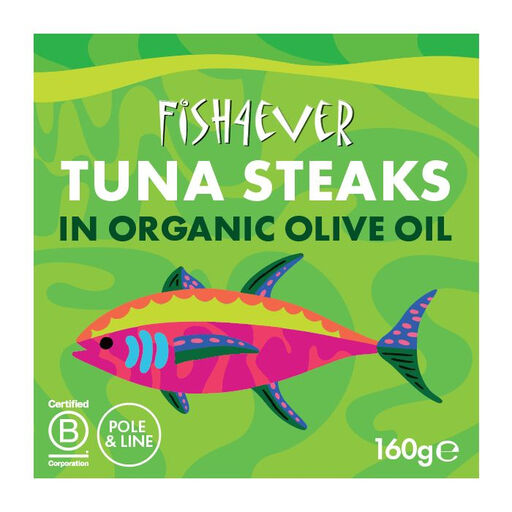 No image available
Consider this tin if organic olive oil is the ingredient you want in your meal. The name does not establish that the tuna is organic; check the claim and the nutrition basis for the portion you intend to eat.
 No image available
The four-tin spring-water pack suits meals where you want to add other ingredients separately. Compare nutrition for the amount you use, and check the pack’s wording if an organic claim matters to you.
 No image available
Choose this spring-water format when you want tuna for a meal without packing oil. Check the drained portion and the current pack’s organic wording against your priorities.
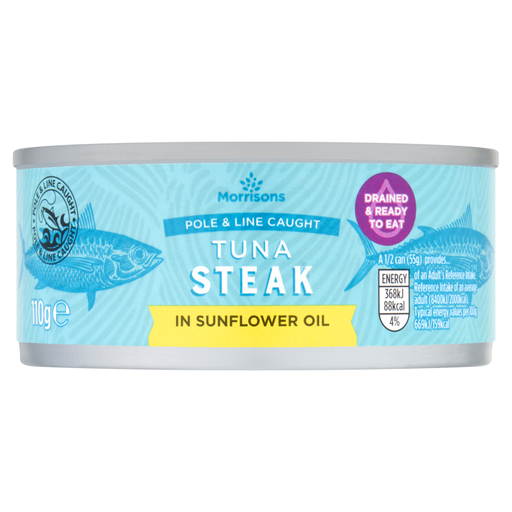 No image available
This sunflower-oil option suits a recipe where you intend to use an oil-packed tuna product. Check whether the nutrition figures refer to drained or whole contents before comparing your portion with a spring-water tin.
No conclusion about the fish follows from that wording alone. Ocado’s Fish4Ever listing identifies the olive oil as organic; check the exact ingredient and certification wording before treating the tuna itself as organic.
Choose spring-water tuna if you want a plain tuna ingredient and plan to add other ingredients yourself. Oil-packed tuna can fit a recipe when you intend to use the oil; compare the stated kcal on a like-for-like basis and account for the whole meal.
Compare energy in kcal, protein and salt per 100g using the same drained or undrained basis, then consider the amount you will eat. The NHS advises checking food labels rather than assuming the manufacturer’s stated portion matches your own.
For the Tesco and M&S tins described here, transfer leftovers to a non-metallic container and refrigerate them. Follow the storage time printed on the particular product you buy.
Yes. The NHS advises people who are pregnant to eat no more than four cans of tuna or two tuna steaks a week because tuna can contain higher mercury levels than other fish.