Hosts looking for an organic ingredient
If tuna will be part of a starter or salad, check whether an organic claim applies to the packing oil rather than assuming it applies to the fish.


Choose tuna in organic olive oil if the oil is part of the dish and an organic ingredient matters to you; that wording does not mean the tuna or the whole product is organic. For a salad or roast-leftover dish that you plan to dress yourself, spring-water tuna offers a different starting point, while fishing method and fishery certification need to be checked separately on the product you choose.
The useful distinction is between wanting an organic packing ingredient, choosing how to dress the dish and checking how the fish was sourced.
If tuna will be part of a starter or salad, check whether an organic claim applies to the packing oil rather than assuming it applies to the fish.
Spring-water chunks leave you to choose the dressing when mixing tuna with roast potatoes, vegetables or herbs.
Look for fishing-method, traceability or fishery-certification information on the particular product. These answer different questions from an organic-oil claim.
Decide how the tuna will be served, then check the ingredient wording and fish-sourcing claims independently. If comparing nutrition, use the same stated basis on both labels.
| Priority | What to check | Your needs |
|---|---|---|
| Organic wording | Read the product name, ingredients and any stated organic percentage. Ocado lists Fish 4 Ever Azores fillets in organic olive oil with 33.5% organic ingredients; that figure does not describe the tuna as organic. | I want an organic ingredient in the dish, so I need to know exactly which ingredient carries the claim. |
| Serving style | Choose between oil-packed fillets for a plated dish and chunks in spring water for mixing with your own dressing. Check the pack format if you need several portions. | Will the tuna be visible in a starter, or mixed through potatoes and vegetables as a side or leftover meal? |
| Fish sourcing | Check each product for a stated fishing method, traceability or independent fishery certification. Sainsbury's identifies MSC-certified fisheries for its cited sunflower-oil chunks; M&S states that its cited spring-water chunks are pole-and-line caught. | I care how the fish was caught, even when I am not looking for an organic packing ingredient. |
| Nutrition basis | Compare figures per 100 g or per serving only when the labels use comparable bases, including whether values are for drained tuna. M&S lists 0.6 g fat per 100 g for its cited spring-water chunks. | If I am comparing oil-packed and spring-water tins, I want the numbers to describe comparable portions. |
| Allergens and storage | Check the fish-allergen declaration and follow the selected pack's instructions for unused tuna after opening. | I need to account for anyone avoiding fish and know how to keep leftovers from the meal. |
The wording can refer to the packing oil, not the fish. Ocado states that organic ingredients make up 33.5% of its cited Fish 4 Ever Azores tuna fillets.
Check the ingredient list and the exact organic wording against the standard you want the product to meet.
An organic ingredient claim does not establish a fishing method or fishery certification. Conversely, MSC-certified fisheries do not make a packing oil organic.
Check the oil or other ingredients, fishing method and any fishery certification as separate features of the specific tin.
Net weight and drained weight describe different quantities, and nutrition figures may be stated on different bases. That can make a quick comparison between oil-packed and spring-water tuna misleading.
Check drained weight and compare nutrition per 100 g or per serving on a like-for-like basis before choosing a format.
These brand references illustrate different product claims; the details apply to the cited lines, not every tuna product bearing the brand name.
Ocado lists Azores tuna fillets packed in organic extra-virgin olive oil for a dish where the oil forms part of the serving.
Its cited spring-water chunks offer a base for a salad or mixed side that can be dressed separately.
Its cited 4 x 145 g tuna chunks are packed in sunflower oil, providing a multipack format for more than one meal.
Its tuna range includes spring-water chunks as well as other canned formats.
Tesco Groceries lists John West No Drain tuna chunks with a little spring water in a 3 x 100 g format.
These Joybuy listings are for tuna chunks in spring water or brine that could be mixed into a Sunday-roast side or a leftover meal. Choose by the stated packing liquid and pack format; check each pack separately for any organic or fish-sourcing claim you require.
 No image available
Spring-water chunks give you a tuna base for a salad dressed at the table or a roast-leftover dish. The listing names four 125 g cans; check the pack's draining and storage directions before use.
 No image available
This 145 g spring-water tin is an option for mixing tuna into a side dish and adding your own dressing. Check the label for its fish-allergen and after-opening instructions.
 No image available
The title names three 100 g cans of spring-water chunks for salads or leftover meals. Check the exact pack's liquid-handling instructions before relying on the No Drain wording, and confirm the basis of its nutrition figures when comparing tins.
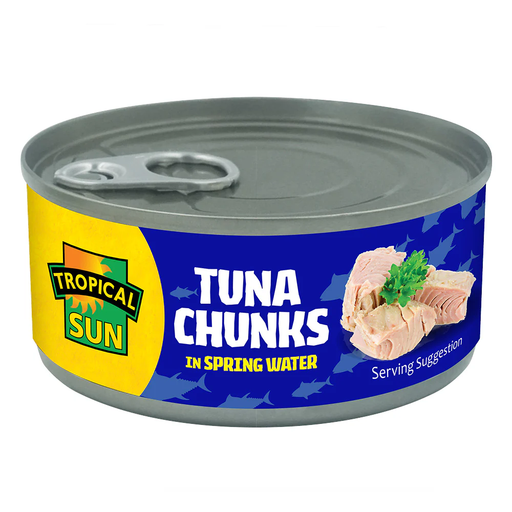 No image available
These 160 g spring-water chunks could be mixed into a roast-table salad. The product information warns of possible traces of soybeans and wheat as well as fish; check the pack if those allergens matter, and confirm its nutrition basis before comparing figures.
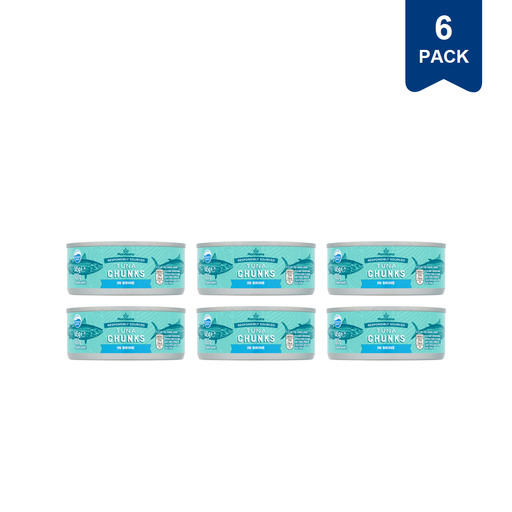 No image available
Brine-packed chunks are another option for a mixed salad or leftover dish if you do not need organic olive oil. Confirm the number of cans and total quantity on the pack before planning portions.
No. Ocado states that the cited Fish 4 Ever Azores tuna fillets contain 33.5% organic ingredients, with the organic wording referring to the olive oil. Read the exact claim and ingredients; the Department for Environment, Food & Rural Affairs distinguishes organic product labelling from identifying an organic ingredient under UK rules.
Choose oil-packed fillets if you want to serve the tuna visibly and use its packing oil in the dish. Spring-water chunks suit a salad or potato-and-vegetable mixture that you plan to dress yourself; compare the actual packs if nutrition is part of the decision.
Follow the storage and use-by instructions on the particular pack. Transfer unused tuna to another container when its label directs you to, refrigerate it and use it within the period stated there rather than applying one brand's instructions to every tin.
No. Check fishing-method, traceability and fishery-certification statements separately. For example, Ocado describes its cited Fish 4 Ever Azores fillets as pole-and-line fished and traceable to a boat, while Sainsbury's identifies MSC-certified fisheries for its cited sunflower-oil chunks.