Low-fat label comparers
If fat content guides your choice, compare the figures for the exact tins you are considering, preferably per 100g drained. Spring-water products offer a useful starting point, but their salt figures can differ.


For a low-fat choice, compare the nutrition panel before prioritising organic wording: a spring-water tin may have less listed fat than tuna preserved in organic olive oil. Check fat on the same per-100g basis, salt if it matters to you, and precisely what any organic claim covers; organic oil does not establish that the tuna itself is organic.
If fat content guides your choice, compare the figures for the exact tins you are considering, preferably per 100g drained. Spring-water products offer a useful starting point, but their salt figures can differ.
If organic production matters to you, check whether the wording applies to the finished product or to an ingredient such as olive oil. Then read the nutrition panel separately.
If you also look for MSC certification or a stated fishing method, check the claim on the exact pack. A sourcing claim answers a different question from organic status or fat content.
Start with the packing medium and fat figure, then check organic wording, salt and any sourcing or convenience features that matter to you. Use the same nutrition basis when comparing tins.
| Concern | What to check | Who this matters to |
|---|---|---|
| Total fat | Compare total fat per 100g drained where stated, along with the packing medium. | If keeping fat low is my main aim, the number on the tin matters more than an organic claim. About 31% of consumers would put that fat comparison first. |
| Organic wording | Read the exact claim, ingredients and certification information to see what is described as organic. | I want to know whether the claim covers the tuna or only an added ingredient before choosing a tin. That would be the primary concern for about 31% of consumers. |
| Salt | Check salt per 100g on a comparable basis; use per-serving information to assess the amount you eat. | A low fat figure is not enough for me if I am also comparing salt across spring-water tins. About 23% of consumers would make salt their main additional concern. |
| Sourcing and format | Check any MSC or fishing-method claim on the exact product, and whether its format needs draining. | If I want an easy-to-use tin with a stated sourcing claim, I would check those features after its nutrition panel. For about 15% of consumers, they would be the deciding concern. |
Abel & Cole lists a Fish4Ever tuna product in organic olive oil with 4.5g fat per 100g. Its organic-ingredient wording does not, by itself, establish that the fish is organic or that the finished product has a low fat figure.
Check the scope of the organic claim and compare the nutrition panel with a spring-water product. UK organic-product claims must meet production and certification requirements set out by the Department for Environment, Food & Rural Affairs.
Can sizes and suggested servings vary. A per-serving figure and a per-100g drained figure do not describe the same quantity of food.
Compare per-100g drained values where both tins provide them, then check the amount you expect to use.
Spring-water packing alone does not settle a salt comparison. Sainsbury's lists 0.12g salt per 100g drained for its 4 x 145g tuna, while the Princes 4 x 145g listing at ASDA Groceries gives 0.85g on the same basis.
If salt matters alongside fat, compare both figures on the exact products you intend to buy.
Its spring-water tuna chunks provide a straightforward option for comparing drained nutrition figures.
The No Drain spring-water 3 x 100g pack is relevant if you want a tin designed to be used without draining.
Its 4 x 145g spring-water tuna has a drained nutrition panel for shoppers comparing fat and salt together.
ASDA Groceries lists spring-water multipacks from brands including Princes and John West.
Its 160g spring-water tuna offers another labelled option for comparing fat and salt.
Tesco's tinned-tuna category separates spring-water, brine and oil-packed formats.
These tins represent the spring-water route for shoppers comparing tinned tuna for a low-fat diet. Check the current nutrition panel for each variant and verify any organic wording on its pack if that is part of your decision.
 Image unavailable
Consider this spring-water multipack if you prefer four smaller tins. Compare its current fat and salt panel with other packs on the same basis.
 Image unavailable
Choose the six-pack format if you want several spring-water tins together. Check the label's fat and salt figures rather than treating the packing medium alone as the full nutrition comparison.
 Image unavailable
This single spring-water tin suits a purchase where a multipack is unnecessary. Read its own nutrition panel when comparing it with other sizes or brands.
 Image unavailable
The No Drain format is worth considering if you want to use tuna without a draining step. For this 3 x 100g variant, ASDA Groceries lists 0.9g fat and 0.80g salt per 100g; check the pack's nutrition basis before comparing it with drained figures.
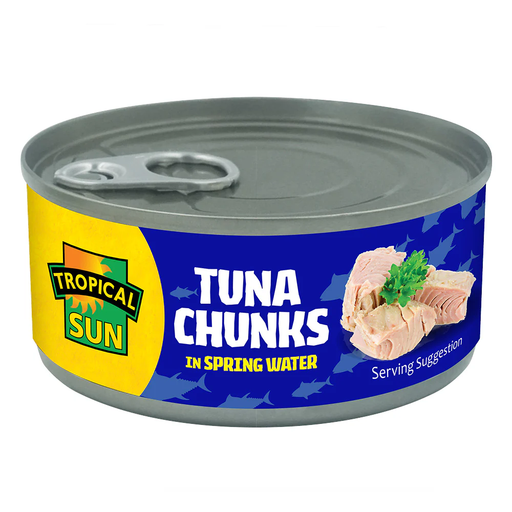 Image unavailable
This is another single-tin spring-water option. Use its current pack panel to compare fat and salt: the available approximate figures are per 100g and are not identified as drained values.
No. Organic wording and fat content answer different questions. Abel & Cole lists Fish4Ever tuna in organic olive oil at 4.5g fat per 100g, while Princes lists 0.5g per 100g drained for its spring-water tuna; check both the scope of the organic claim and the nutrition basis.
NHS food-label guidance defines low total fat as 3g or less per 100g of food. For tinned tuna, compare the exact products using drained per-100g figures where both provide them.
Yes. The Food Standards Agency advises people who are pregnant or trying for a baby to have no more than four cans of tuna a week or two tuna steaks a week because of mercury. Choosing spring water or organic ingredients does not change that tuna-specific advice.
No. NHS guidance says fresh and canned tuna do not count as oily fish; an organic claim or oil-based packing medium does not change that classification.