Hosts serving tuna visibly
For pasta, salad, bruschetta or an antipasti-style plate with tuna on show, look for a tin labelled fillets, steaks or loins. Check the packing medium if you want its oil to become part of the finished dish.


Choose tinned fillets or steaks when the tuna will remain visible in an Italian-style pasta, salad or sharing plate; check the label for intact pieces and a packing medium that suits the dish. Chunks make sense when the fish will be stirred into a sauce or filling. Whatever the format, check the specific pack’s drained weight, ingredients and warnings before planning servings.
For pasta, salad, bruschetta or an antipasti-style plate with tuna on show, look for a tin labelled fillets, steaks or loins. Check the packing medium if you want its oil to become part of the finished dish.
If the tuna will be stirred through a sauce, pasta bake or filling, chunks may provide the format you need. Drained weight and the quantity required for the recipe matter more than keeping pieces intact.
Read the exact product’s ingredients, fish-allergen statement and any bones warning. If you are pregnant or trying for a baby, include this meal when considering the NHS guidance on weekly tuna intake.
Start with how the tuna will be served, then choose the packing medium and check how much drained fish the pack provides.
| Concern | What to check | Who this matters to |
|---|---|---|
| Visible pieces | Look for fillets, steaks or loins on the label; olive-oil packing alone does not identify the cut. | If tuna is going on top of pasta or onto a sharing plate, I want pieces that remain recognisable. About 36% of consumers put intact presentation first. |
| Packing medium | Check for olive oil, sunflower oil, spring water or brine, and compare the exact ingredients and nutrition panels. | When I am making the dressing or sauce myself, I want to decide what the tuna brings to it. Packing-medium and ingredient control is the primary need for about 29% of consumers. |
| Serving quantity | Compare drained weights and confirm the number of tins or jars in the pack. | For a pasta bake or a salad shared between diners, I need enough tuna for the planned servings. About 21% of consumers place usable quantity first. |
| Preparation and label checks | Check any no-drain claim, fish-allergen statement and bones warning; apply NHS tuna guidance if pregnant or trying for a baby. | If preparation needs to be quick, or a label check affects whether I can serve the dish, that takes priority over presentation. About 14% of consumers put preparation or these checks first. |
A tuna product packed in olive oil is not necessarily labelled as fillets. If the fish needs to remain visible on the plate, the cut matters as well as the oil.
Look for fillets, steaks or loins on the specific pack, then check its drained weight against your recipe.
Tins and jars contain different amounts of packing liquid, so their net weights do not by themselves tell you how much tuna the dish will contain.
Use drained weight to plan the quantity of fish, and confirm the pack count when buying a multipack.
Ingredients and nutrition values can differ between products and packing media. A figure for one tuna steak or fillet product should not be used for another.
Compare the labels of the exact products you are considering, using the same per-100g or per-serving basis.
Tuna is fish, and an individual product may carry a bones warning or specific storage instructions. Pregnancy and pre-conception guidance also affects some meal plans.
Read the physical pack for allergens, warnings and storage directions. If relevant, consider the NHS weekly tuna guidance alongside tuna eaten in other meals.
Its tuna range includes steak and convenience formats for meals where preparation time matters.
Princes offers tuna chunks and drained formats that may suit mixed pasta dishes and fillings.
Tesco Groceries lists own-label chunks and steaks alongside other tuna formats, giving shoppers several pack types to compare.
The Taste the Difference range includes an albacore tuna steak in extra virgin olive oil for dishes where tuna pieces will be visible.
Asda Groceries lists Rio Mare Tuna Fillets in Olive Oil, a branded option to consider for a dish built around visible tuna.
Its range includes tuna steak in olive oil and albacore loins in Spanish extra virgin olive oil.
These selections cover olive-oil fillets and steaks for serving visibly, sunflower-oil steaks for recipes that suit that packing medium, and spring-water chunks for mixing into a dish.
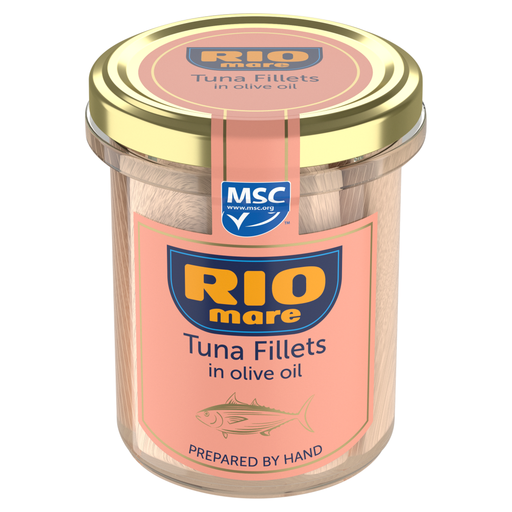 Image unavailable
Consider these fillets when you want to place tuna visibly in pasta or salad.
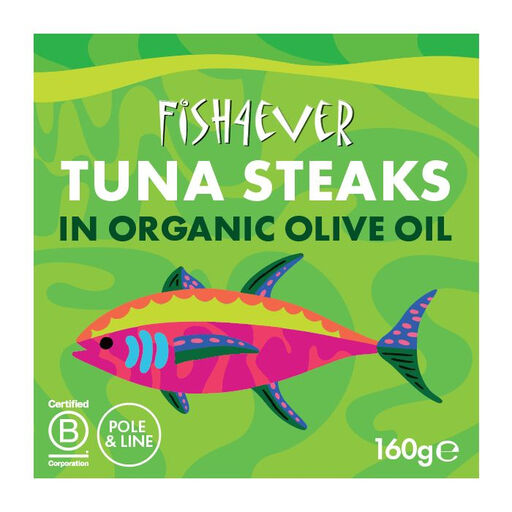 Image unavailable
This steak format is worth considering when larger tuna pieces will remain visible in pasta or salad.
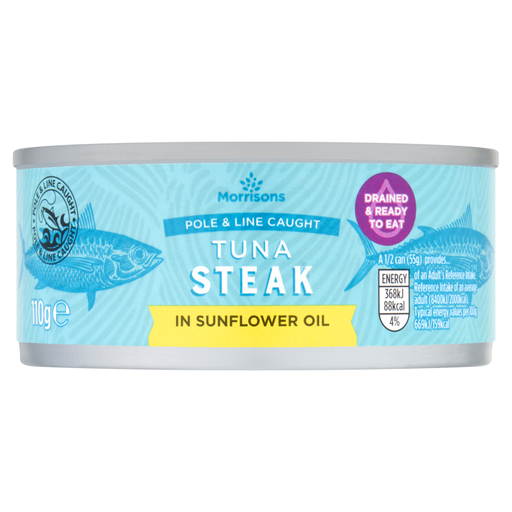 Image unavailable
Consider these steaks for visible tuna pieces if sunflower oil suits the recipe rather than olive oil.
 Image unavailable
These steaks suit a pasta or salad where identifiable tuna pieces matter and the recipe works with sunflower oil.
 Image unavailable
Choose chunks for tuna stirred through a pasta sauce or another mixed dish, rather than for an intact-fillets presentation.
Choose it if you want the packing oil to contribute to the dish and the tuna to remain visible. If you plan to add your own oil or sauce, spring water or brine gives you a different starting point. Check for fillets, steaks or loins on the label when intact pieces matter.
For people who are pregnant or trying for a baby, the NHS advises no more than four cans of tuna a week or two tuna steaks a week. Include tuna from other meals when planning this dish.
Follow the storage instructions on the specific pack. For its tuna steak in olive oil, M&S advises transferring unused contents to a non-metallic container, refrigerating them and eating them within two days; instructions for another product may differ.
No. Tuna is fish, and the Asda Groceries listing for Rio Mare Tuna Fillets in Olive Oil identifies fish as an allergen. Check the exact pack’s allergen information before serving.