Choose tuna steaks or fillets when the fish will remain visible in a picnic salad, open sandwich or sharing platter; standard chunks are often sufficient when you will mix the tuna into a filling. If you will assemble lunch away from a sink, a no-drain pack may matter more than large pieces. Check the exact tin for its species, packing medium, drained weight and ingredients before deciding.
Who is choosing?
Picnic salad and platter hosts
If the tuna will be visible on a salad, open sandwich or sharing platter, look at steaks and fillets before paying extra for a tin whose contents will be mixed into a filling. Sainsbury's, Tesco and M&S each describe an oil-packed fillet or steak product.
Low-fuss outdoor lunch packers
If you will make sandwiches or salads where draining a tin is awkward, a no-drain format is the more relevant distinction. John West describes its No Drain chunks for those uses.
Sourcing-led tuna buyers
If independently assessed fishing practices influence your choice, check the exact pack for the blue MSC ecolabel. The Marine Stewardship Council explains that the label applies to wild-caught seafood assessed against its environmental standard; it does not describe every product in a brand's range.
What matters when buying?
Start with how you will serve the tuna: visible pieces call for a different format from a mixed sandwich filling. Then check the packing medium and the details that matter for your own recipe and picnic preparations.
| Concern |
What to check |
Who this matters to |
| Visible pieces and flavour |
Look for steaks or fillets rather than chunks, and check whether the packing oil suits the dish. Compare drained weight for the fish portion. |
If I am laying tuna over a salad or sharing plate, I want pieces that remain distinct and an oil that works with the dressing. About 33% of consumers would put presentation and flavour first. |
| Easy outdoor assembly |
Check that the exact pack says no-drain, then confirm its packing medium and pack size. |
When I am making sandwiches away from a sink, I want to open the tin and use its contents without a separate draining step. Convenience would be the main concern for about 25% of consumers. |
| Fishing credentials |
Look for the MSC ecolabel on the particular pack; check a pole-and-line claim separately if that matters to you. |
If I want an independently assessed sourcing cue, I need to see it on the tuna I am buying, not just elsewhere in the range. Roughly 25% of consumers would make that their primary concern. |
| Ingredients and label details |
Read the fish allergen information, ingredients, salt and fat values, serving details and storage instructions on the exact product. |
For a dish whose seasoning I want to control, I need to know what is in the oil or flavoured packing medium before adding a dressing. Label details would come first for about 17% of consumers. |
What is easy to overlook?
-
Confusing pack weight with the fish portion
An oil-packed tin contains both fish and packing oil. Tesco lists a 150 g drained weight for its 200 g Finest Albacore Tuna Steaks tin, so the two weights answer different questions.
Use drained weight when judging how much tuna you can put on a platter or divide between sandwiches.
-
Assuming all premium tuna has the same species and cut
The cited products include albacore fillets, albacore steaks, skipjack steak and yellowfin steak. A product's species and cut do not apply to everything sold by its brand or retailer.
Check the species and whether the exact tin contains fillets, steaks or chunks. Larger pieces are more relevant when the tuna will remain visible; chunks can be mixed into a filling.
-
Treating every oil-packed tin as an unseasoned base
Princes Ocean Select Sweet Chilli contains seasoning as well as yellowfin tuna and olive oil. Its flavour direction may not suit a dressing or filling you intend to season yourself.
Read the ingredients before planning the rest of the dish. Choose a flavoured variant deliberately, or use a plain packing medium when you want to control the seasoning.
-
Planning around one exact tin
A picnic recipe can depend on a particular cut, oil or pack size, while the product you planned to buy may not be available when you shop.
Keep the format and ingredients you need in mind so you can assess an alternative without assuming that every steak or fillet tin is interchangeable.
Brands and ranges to consider
These examples show different picnic-relevant formats, not a ranking of whole brands. Check the named product's current label when its species, ingredients or sourcing claim matters to your choice.
Sainsbury's Taste the Difference
Its 220 g Albacore Tuna in Extra Virgin Olive Oil is a fillet option for a salad or sharing plate.
- Sainsbury's describes the product as two servings, with extra-virgin olive oil making up 31% of the contents.
- Check the current product label and availability before building a picnic dish around this exact tin.
Tesco Finest
Its Albacore Tuna Steaks in Olive Oil offer a steak format rather than chunks.
- Tesco lists a 200 g pack with a 150 g drained weight and a mix of olive oil and extra-virgin olive oil.
- Use the drained figure to plan portions, and check availability when shopping.
M&S
Its 200 g Tuna Steak in Olive Oil is a skipjack steak option for serving in visible pieces.
- The cited product describes pole-and-line sourcing.
- The product may contain bones; check the label and local availability.
John West
Its No Drain Tuna Chunks in Sunflower Oil are aimed at straightforward use in salads and sandwiches.
- The no-drain format removes a separate draining step during assembly.
- These are sunflower-oil chunks, not olive-oil fillets for a composed platter.
Princes Ocean Select
The Sweet Chilli variant is a 160 g yellowfin tuna steak product with olive oil and seasoning.
- A flavoured tin can provide the seasoning direction for a simply assembled dish.
- Check its ingredients and salt information if you plan to add your own dressing or seasoning.
Asda
Asda's cited grocery listing is for Rio Mare Tuna in Olive Oil MSC, a branded product rather than an Asda own-label tuna line.
- The listing provides another olive-oil-packed, MSC-labelled product to assess for a picnic.
- Do not transfer the Rio Mare product's specifications or label claims to Asda own-label tuna.
Joybuy picnic tuna selections
These products cover two ways to serve picnic tuna: fillets or steaks in olive oil for visible pieces, and no-drain chunks for assembling sandwiches or salads with less handling. Choose the format before comparing the individual packs.
 No image available
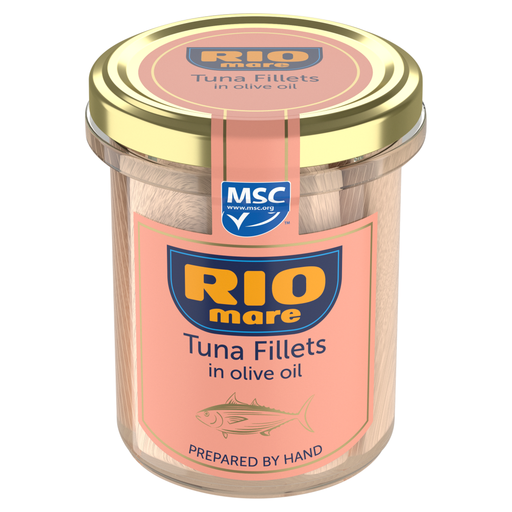
Rio Mare Tuna Fillets in Olive Oil, 180 g glass jar
Consider this fillet format when you want visible pieces for a picnic salad or sharing plate. The 180 g figure is the jar size, not a stated drained weight; check the label for the fish portion and any sourcing certification you require.
View on Joybuy
 No image available
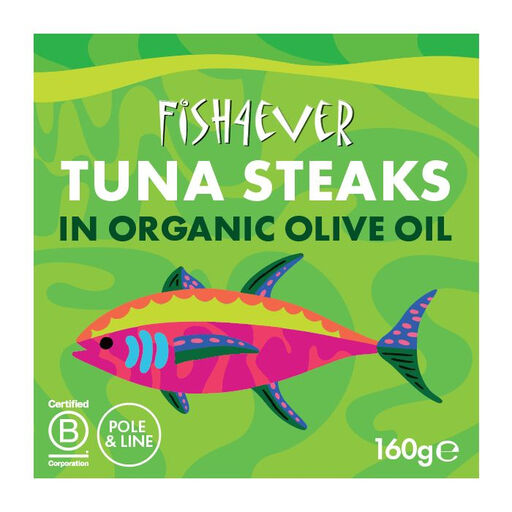
Fish4ever Tuna Steaks in Organic Olive Oil, 160 g
Consider the steak format for a salad or bread where the tuna will remain visible. The title identifies organic olive oil and a 160 g pack; check the drained weight to plan portions and the exact pack for any sourcing credential you need.
View on Joybuy
 No image available
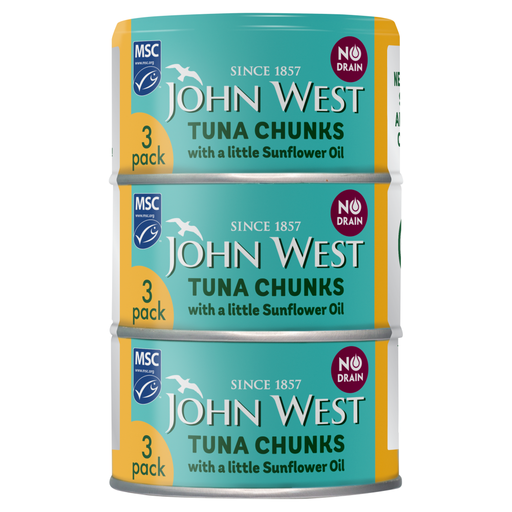
John West No Drain Tuna Chunks in Sunflower Oil, 3 × 100 g
Choose these no-drain chunks when you expect to make sandwiches or salads away from a draining point. This is a three-can sunflower-oil pack rather than a whole-fillet option; check each can's label for portion details and any MSC ecolabel you require.
View on Joybuy
 No image available
John West No Drain Tuna Chunks in Springwater, 3 × 100 g
Choose this no-drain format for outdoor sandwiches or salads when springwater suits the recipe better than packing oil. The pack contains three 100 g cans of chunks, not steaks or fillets; check the can for its fish portion and storage instructions.
View on Joybuy
Common questions
Can I use the oil from tinned tuna in a picnic salad dressing?
Yes, if its flavour suits the dish. Check whether the tin contains olive oil, sunflower oil or added seasoning before deciding how much dressing or seasoning to prepare.
How should I store tuna after opening the tin?
Follow the instructions on the exact product and refrigerate any unused tuna as directed. Asda's cited Rio Mare listing says to refrigerate it after opening and use it within two days; check other products' labels for their own instructions.
Does an MSC label tell me how the tuna will taste?
No. The Marine Stewardship Council's ecolabel concerns independently assessed fishing practices for wild-caught seafood. Compare the individual tin's species, cut, packing medium and ingredients for the dish you plan to make.
Does canned tuna count as oily fish in UK guidance?
No. The NHS classifies both fresh and canned tuna separately from oily fish. Olive oil in a tuna tin does not change that classification.


