Pie makers who want visible tuna
If you want recognisable pieces in the filling, look at products labelled steak, loin or fillet rather than choosing on a premium label alone.


Choose tuna labelled steak, loin or fillet if recognisable pieces of fish matter in your pie filling; chunks are an option when that presentation matters less. Olive oil suits a filling where you want the tuna to contribute richness, while spring water leaves more control over the sauce. Check drained weight, salt and any sourcing claim on the exact pack before deciding whether a premium format is worthwhile for your recipe.
If you want recognisable pieces in the filling, look at products labelled steak, loin or fillet rather than choosing on a premium label alone.
If the tuna needs to contribute richness to a simple sauce, consider an olive-oil product. If the sauce already contains rich ingredients, spring-water tuna gives you a different starting point.
If sourcing affects your choice, look for an MSC label, a stated catch method or traceability information on the particular tin or jar.
For pie and mash, decide how prominent the tuna should be in the filling, then choose the packing liquid and check the amount of fish you will have to use.
| Concern | What to check | Who this matters to |
|---|---|---|
| Visible pieces | Look for steak, loin or fillet on the pack; check drained weight when planning the filling. | If I want the tuna to remain recognisable after it is folded through the sauce, its format comes first. About 33% of consumers put visible pieces first. |
| Richness | Identify whether the tuna is packed in olive oil, sunflower oil or water, and compare the nutrition panel on the stated basis. | For a simple filling, I may want the tuna and its packing oil to add richness; in a richer sauce, that matters less. About 25% of consumers prioritise this choice. |
| Preparation and seasoning | Check for an explicit no-drain instruction and read the salt figure rather than judging it by the packing liquid. | When I am making pie and mash together, avoiding a draining step can matter, but I still want control over the seasoning. Around 17% of consumers make that their primary concern. |
| Sourcing | Check the exact product for an MSC label, catch-method statement or traceability detail. | If I want a specific sourcing signal before choosing a filling, a general impression of the brand is not enough. About 25% of consumers put verifiable sourcing first. |
Oil changes the filling as well as the fish. For example, M&S lists 17.3g fat per 100g for its ventresca fillets, while John West lists 0.8g per 100g for its no-drain spring-water steak; these are different products, not a controlled comparison of packing liquids.
Choose the packing liquid alongside the sauce you plan to make, and compare each product’s nutrition panel on the stated basis.
Pack weight can include oil or water. Tesco lists a 150g drained weight for its 200g Finest albacore tuna steak pack.
Use drained weight and stated servings when deciding how many packs your pie needs.
Packing liquid and salt are separate details. John West lists 1g salt per 100g for its no-drain tuna steak with a little spring water.
Read the salt figure for the exact product, particularly if the sauce or other ingredients also contain salt.
Certification and catch-method wording can differ between products in the same range. Neither tells you the tuna’s format or packing liquid.
Check the statement on the exact tin or jar, then assess whether its format and ingredients suit the pie.
Its No Drain Tuna Steak with a Little Spring Water is a steak-format option for adding tuna to a filling without a draining step.
Its range includes tuna steaks as well as other formats. The Princes tuna steak in sunflower oil lists tuna, sunflower oil and salt.
Its albacore tuna steak in olive oil is a format to consider when the fish is intended to remain visible in the filling.
Its albacore fillets in extra virgin olive oil offer a fillet-format option for a pie where the tuna should stand out.
Its ventresca fillets in extra virgin olive oil are another format for a filling built around distinct pieces of tuna.
These options cover fillets or steaks in olive oil, steaks in sunflower oil and no-drain tuna chunks in sunflower oil. Choose by the texture and packing liquid you want for the pie, and check drained weight when planning portions.
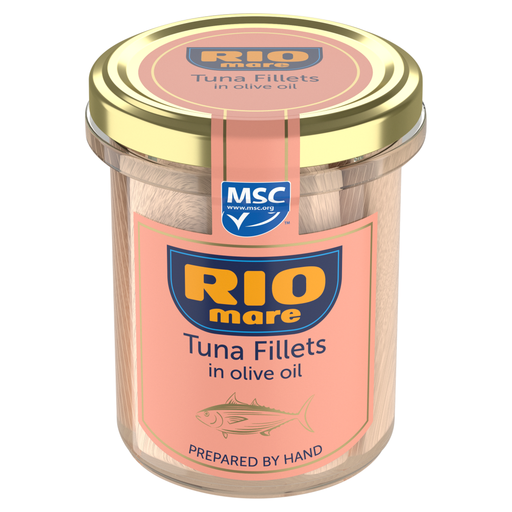 No image available
Consider the fillet format if you want recognisable tuna in an olive-oil filling. The jar is labelled 180g; check its drained weight when deciding how much fish the pie needs.
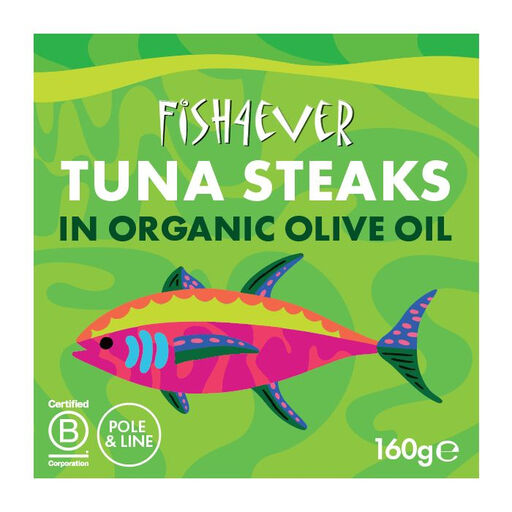 No image available
The steak format is relevant if you want distinct pieces in a filling packed with olive oil. Check the drained weight for portion planning and the nutrition panel’s stated basis when comparing products.
 No image available
This is a steak-format choice if you want an oil-packed filling without choosing olive oil. Check the drained weight on the pack before calculating portions.
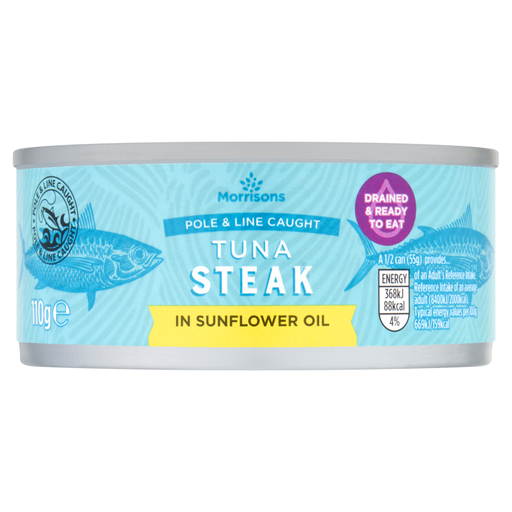 No image available
The steak format suits a filling where you want visible tuna pieces. Check the pack’s draining instructions and stated drained weight before preparing the pie.
 No image available
Choose this chunk-format option if avoiding a draining step matters more than having fillet- or steak-like pieces in the filling. The pack contains three 100g cans; check how much tuna the recipe requires.
Start with a product labelled steak, loin or fillet if distinct pieces are your priority. Tesco Finest identifies an albacore steak, while Sainsbury's Taste the Difference and M&S Collection identify fillets; the label describes the format but cannot guarantee how the fish will break up as you mix the filling.
Choose olive oil when you want the tuna and its packing liquid to contribute richness; choose spring water when you would rather build the sauce and seasoning yourself. Check the exact product’s salt and nutrition figures whichever you choose.
Plan from drained weight, the recipe and the other filling ingredients rather than pack weight alone. Tesco lists 150g drained weight for its 200g Finest albacore tuna steak pack, showing why the two figures should not be treated as interchangeable.
No. An MSC label addresses certified sourcing, not the size of the pieces, packing liquid or salt level. Check those details separately on the product you intend to use.
Follow the storage directions on the current pack. The Tesco, Sainsbury's and M&S product information for the products discussed here instructs shoppers to move unused contents to a non-metallic container, refrigerate and use them within two days.