Hosts planning shared meals
If several guests will use the pantry, check how much tuna each can yields after draining. The can’s stated weight also includes its packing liquid.


For several shared cottage meals, conventional tuna chunks in spring water or brine offer flexible cupboard stock; check the drained weight per can against the portions you plan to make. Smaller no-drain tins suit quick meals with less handling, while steaks or oil-packed chunks make sense when their texture or packing liquid suits the dish.
If several guests will use the pantry, check how much tuna each can yields after draining. The can’s stated weight also includes its packing liquid.
Smaller portions or no-drain tins can be useful for quick lunches, particularly when an opened can is unlikely to be used again during the stay. Opened-pack storage instructions still apply.
Spring water, brine and oil are distinct packing liquids; chunks and steaks also give cooks different formats to work with. Check ingredients and fish-allergen information when shopping for guests.
Start with the meals and number of guests, then decide whether portion yield, quick preparation or a particular format matters most.
| Concern | What to check | Who this matters to |
|---|---|---|
| Usable portions | Drained weight per can and the number of cans needed for planned meals. | If I am making several shared lunches, I need enough tuna after the liquid is drained. About 36% of consumers put usable portions first. |
| Preparation and leftovers | Whether draining is needed, portion size and the exact opened-pack instructions. | On a short stay, I want a quick portion without leaving half a can unused. For about 29% of consumers, handling and leftovers are the primary concern. |
| Recipe fit | Spring water, brine or oil; chunks or steaks. | When tuna is the focus of a salad, I may want distinct steak pieces; for another dish, the packing liquid may matter more. Roughly 21% of consumers prioritise the format that fits their recipe. |
| Ingredients and sourcing | Fish-allergen and ingredient labels, plus sourcing claims on the exact pack. | If I am cooking for guests with dietary requirements, I need to read the current label rather than assume similar tins are identical. Around 14% of consumers make these checks their primary concern. |
That weight includes the packing liquid. Tesco lists 102g drained tuna per can in its 4 x 145g spring-water pack, so the two figures serve different purposes when planning a meal.
Check the drained weight on the pack before deciding how many cans the group will use.
Oil-packed chunks and spring-water chunks have different ingredients and nutrition labels. Ocado lists 9.0g fat per 100g drained for M&S sunflower-oil chunks; that figure does not describe other tuna formats.
Choose the packing liquid for the intended dish and read the exact product label if its ingredients or nutrition matter.
Instructions vary by product. Sainsbury's brine multipack says to transfer leftovers to a non-metallic container, refrigerate and use within one day; the Tesco spring-water example says to consume opened tuna within two days.
Follow the instructions on the can being used and plan any leftovers into a meal within its stated period.
Own-label chunks include multipacks and smaller pack formats for different meal plans.
Own-label four-packs include chunks in spring water, brine and oil, allowing the packing liquid to follow the recipe.
Spring-water chunks are listed in both single 145g cans and 4 x 145g packs.
Its spring-water chunks come in several can and multipack sizes, alongside other tuna formats.
The range includes standard spring-water multipacks and a separate No Drain format.
Tuna steaks in spring water and chunks in sunflower oil offer alternatives when texture or packing liquid shapes the meal.
These tins cover conventional spring-water and brine chunks for shared meals, a smaller no-drain format for quick portions, and sunflower-oil chunks for dishes that call for them. Check each pack’s drained weight and opened-pack directions against your plans.
 Image unavailable
Six tins give a group several unopened portions to use across a cottage stay. The stated 145g is the weight per tin, not a stated drained portion; check the pack if that distinction affects your meal plan.
 Image unavailable
A four-tin spring-water pack for meals where plain tuna chunks suit the recipe. Sainsbury's lists 102g drained per can for this John West 4 x 125g format. Choose the separately named No Drain product if avoiding draining is important.
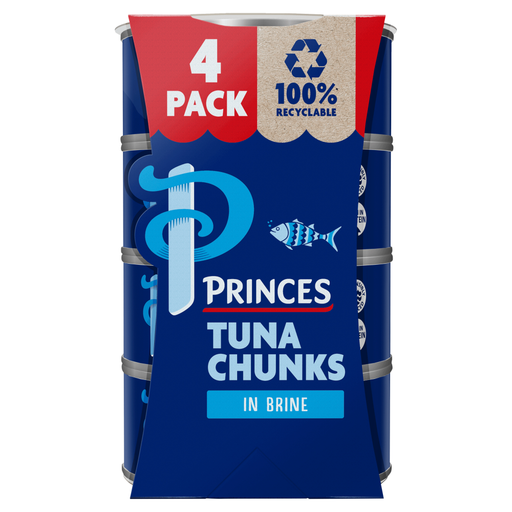 Image unavailable
Four brine-packed tins suit a cottage pantry when that packing liquid works for the planned dishes. Check the drained weight per tin for portion planning, and follow the pack’s directions for any opened leftovers.
 Image unavailable
The three smaller tins suit quick meals when draining is inconvenient or a larger opened can might go unused. John West describes this No Drain format as ready to use without draining; still follow the tin’s directions after opening.
 Image unavailable
This four-tin option fits meals where sunflower-oil-packed chunks suit the recipe. It is a different packing-liquid choice from the spring-water and brine tins above; check the exact label and drained weight when planning portions.
Not necessarily: the stated tin weight includes packing liquid. Tesco lists 102g drained tuna per can in its 4 x 145g spring-water pack, so use the drained figure when planning portions from that product.
Follow the instructions on that tin rather than assuming every product has the same opened life. Sainsbury's says to transfer leftovers from its brine multipack to a non-metallic container, refrigerate and use within one day; Tesco’s spring-water pack specifies consumption within two days.
No: tuna is fish, and the cited product labels identify fish as an allergen. Check the current ingredient and allergen labels when shopping for guests.
No. The NHS says fresh and canned tuna do not count as oily fish, regardless of whether a particular tin is packed in water, brine or oil.