Protein-first meal planners
If tuna is a regular lunch or dinner ingredient, compare protein per 100g drained with the tin’s drained weight. Together, those figures help you work out how much tuna and protein an intended portion provides.


For regular high-protein meals, start by comparing protein per 100g drained and the drained weight of each tin. Spring-water chunks are a useful starting point if you want to avoid added oil; oil-packed tuna changes the meal’s energy and fat, while brine makes the salt figure particularly worth checking. Pack size and the exact product label matter more than the brand name alone.
The useful comparison depends on how you plan to use the tins: a protein figure, packing medium or multipack format may be decisive for different meals.
If tuna is a regular lunch or dinner ingredient, compare protein per 100g drained with the tin’s drained weight. Together, those figures help you work out how much tuna and protein an intended portion provides.
If you are choosing between spring water and oil, read the energy and fat figures alongside protein. The packing medium can change those figures without giving you more protein.
If you buy several tins at once, check the number of tins, their drained weights and how often you will use them. Product-specific sourcing information may also influence which pack you choose.
For a high-protein storecupboard, choose the packing medium that suits the meal, then compare the exact tins by drained quantity and nutrition per 100g drained. The consumer groups below are distinguished by the concern they would put first.
| Concern | What to check | Who this matters to |
|---|---|---|
| Protein in the usable portion | Compare protein per 100g drained and the drained weight per tin. | If I plan several meals around tuna, I need to know how much fish and protein each tin contributes. About 29% of consumers would put that protein-and-portion question first. |
| Energy and fat | Compare energy, fat and protein per 100g drained across the packing media you would use. | When I want tuna without added oil, the packing medium matters alongside the protein figure. About 23% of consumers would make that combination their primary concern. |
| Pack size and usable quantity | Check the tin count and drained weight, then consider how often you will open a tin. | For repeat lunches, I want enough usable tuna without buying more tins than my household will use. That would be the leading concern for about 18% of consumers. |
| Product-specific sourcing | Look for an MSC label or a fishing-method statement on the exact product. | If sourcing information decides between otherwise suitable tins, I need a claim that applies to the pack in my hand. About 18% of consumers would prioritise that check. |
| Salt and use after opening | Read salt per 100g drained and the pack’s instructions for storing leftovers. | When one tin may cover more than one meal, I care about its salt figure and what to do with the remainder. Those details would come first for about 12% of consumers. |
A protein figure per 100g does not tell you the amount in a tin unless you also know its drained weight. Different tin and multipack formats can provide different usable quantities.
Compare the label’s protein basis and drained weight before planning a portion or buying several tins.
The reviewed Princes spring-water and sunflower-oil chunks both list 23.5g protein per 100g drained. Continental Food Store lists 180kcal and 9.5g fat per 100g drained for the sunflower-oil version, so the packing medium still affects the meal comparison.
Choose oil when it suits the meal you intend to make, and compare energy and fat as well as protein.
Salt figures differ between products; the name of the packing medium is not a substitute for the nutrition panel.
Check salt per 100g drained on the exact tin, particularly if tuna appears regularly in your meals.
A multipack is convenient for repeat meals, but each opened tin needs to be handled according to its storage instructions. NHS guidance also places a weekly limit on tuna during pregnancy or while trying for a baby.
Choose a tin count you can use and check the relevant NHS guidance before making tuna a frequent meal ingredient.
For example, Tesco’s reviewed product instructs shoppers to move unused tuna to a non-metallic container, refrigerate it and consume it within two days of opening.
These examples show why it is worth checking a specific product rather than assuming that every tin from a brand has the same nutrition or sourcing details.
A tuna-chunks range to compare by exact variant and packing medium.
Spring-water, brine and sunflower-oil options make the packing medium an important part of the choice.
Own-brand spring-water tins include a four-pack format for regular use.
A spring-water tin for shoppers comparing nutrition and product-specific fishing information.
An own-brand spring-water four-pack with published nutrition and product-specific sourcing information.
Spring-water single-tin and four-pack formats for different stocking habits.
These spring-water and brine tuna chunks include single tins and multipacks. Use the pack format to narrow the choice, then check each product’s drained weight and current nutrition label before planning protein per tin.
 Image unavailable
The six-pack format suits repeat meals when you prefer tuna packed in spring water.
The stated 145g is the tin size; check the drained weight on the pack before working out protein per tin. Contains fish.
 Image unavailable
This four-pack is another spring-water format for households using tuna across several meals.
Use this variant’s own nutrition panel and drained weight: figures for another John West tuna product need not describe these tins. Contains fish.
 Image unavailable
A single spring-water tin lets you choose a smaller quantity than the six-pack.
Check its drained weight if the amount of tuna or protein in one tin matters to your meal. Contains fish.
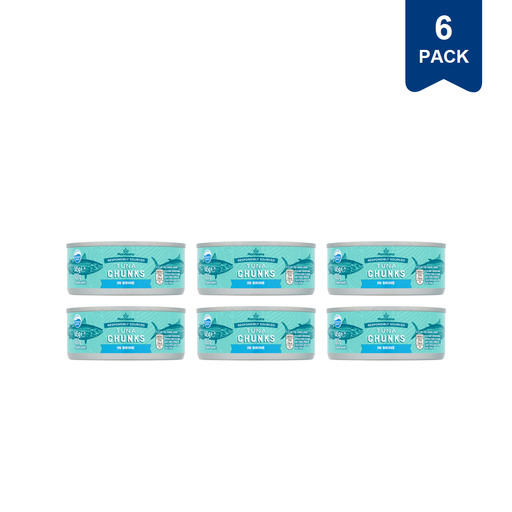 Image unavailable
This brine-packed six-pack suits repeat use if its packing medium works for your recipes.
Compare salt on the exact label with any spring-water tin you are considering, and check drained weight before planning portions. Contains fish.
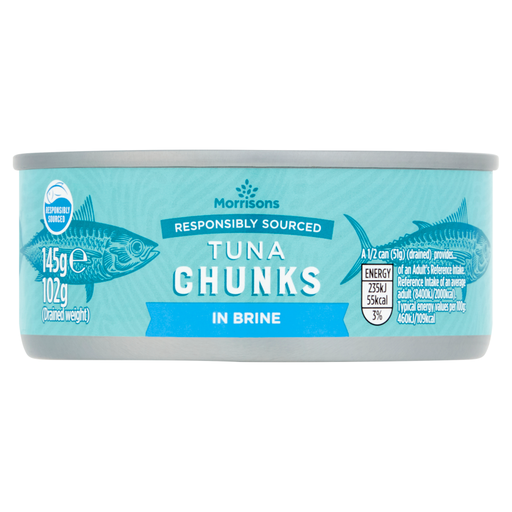 Image unavailable
A single brine-packed tin offers a smaller purchase than the six-pack of the same named range.
Read its salt figure and drained weight on the pack when comparing it with other tins. Contains fish.
Yes. Compare protein per 100g drained and the drained weight to judge an intended portion, rather than assuming every tin contributes the same amount. If you have CKD Stage 4 or higher, Berkshire Healthcare NHS Foundation Trust advises checking with your GP, renal consultant or dietitian before following a high-protein diet.
Start with spring water if you want to avoid added oil, consider oil when its energy and fat suit the meal, and check salt when choosing brine. Compare the actual nutrition panels: packing medium alone does not tell you how much protein a tin contains.
Yes. NHS guidance says that people who are pregnant or trying for a baby should eat no more than four cans of tuna or two tuna steaks a week because tuna can contain pollutants, including mercury. This is a condition for those circumstances, not a weekly limit for every shopper.
Follow the instructions on the exact product. For example, Tesco’s reviewed tuna label says to transfer unused contents to a non-metallic container, cover and refrigerate them, then consume them within two days.
Check the fish allergen declaration and any product warning about bones. Tuna is not suitable for someone with a fish allergy, and a bone warning may affect how you prepare or serve that particular product.