Cooked-fillet dinner planners
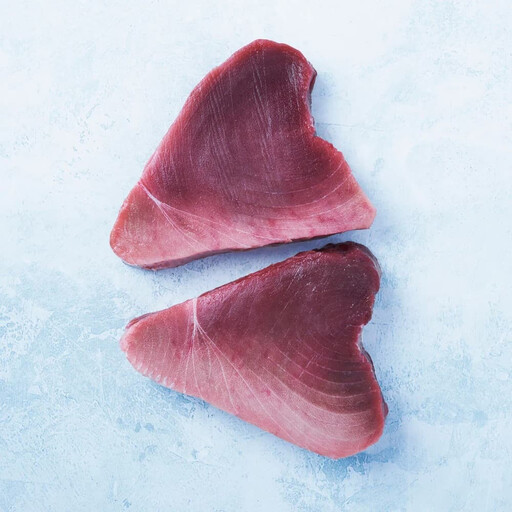
You want to cook a distinct fish portion for the plate rather than use canned tuna as an ingredient. M&S describes its yellowfin fillet product as raw fish that must be cooked.


Choose a raw tuna fillet if you want a cooked fish portion as the centrepiece and can manage its storage and cooking instructions. Choose ready-to-eat tinned tuna steak for a quicker side or topping with larger pieces, or chunks when the tuna will be mixed into fishcakes or a filling. A tinned steak is not a raw fillet: check the exact pack for its packing liquid, drained quantity and storage directions.
You want to cook a distinct fish portion for the plate rather than use canned tuna as an ingredient. M&S describes its yellowfin fillet product as raw fish that must be cooked.
You want tuna that can go straight into a side dish, filling or topping, preferably in larger pieces. John West describes its no-drain tuna steak as ready to enjoy from the pack.
You are making fishcakes or another mixed dish, so the number of tins and the quantity of tuna matter more to you than an intact fillet-like portion. Princes lists tuna chunks in spring water, while Tesco groups chunks and steaks as separate tinned formats.
For a fish-and-chips-style meal, decide what role the tuna needs to play before comparing packs: a raw portion to cook, a ready-to-eat addition or an ingredient to mix into a recipe.
| Concern | What to check | Who this matters to |
|---|---|---|
| Cooked fish portion | Check whether the tuna is raw, how it must be stored and what the pack says about cooking. | If the fish needs to be the cooked centrepiece beside the chips, a ready-to-eat tin will not serve the same role. About 36% of consumers put a cookable fish portion first. |
| Minimal preparation | Check for steak or chunks, whether draining is needed and the pack’s instructions after opening. | When time is short, I may want larger pieces of tuna that can be served as a side or topping without cooking fish from raw. Speed is the primary concern for about 29% of consumers. |
| Recipe use and pack quantity | Compare the number of tins and drained quantity, then choose chunks or steaks to suit the dish. | For fishcakes or fillings, I plan to mix the tuna in rather than keep a piece intact. About 21% of consumers chiefly need a format that suits recipe mixing and pack planning. |
| Labels and serving cautions | Read the packing liquid, nutrition information, fish-allergen statement and any bones warning on the exact product. | If ingredients or serving cautions affect the meal, the individual label matters more than the word “tuna” on the front. Those checks come first for about 14% of consumers. |
The names sound similar, but the preparation differs: John West describes its no-drain tinned steak as ready to eat, whereas M&S says its raw yellowfin fillet must be cooked.
Decide whether the plate needs a cooked fish portion or a ready-to-eat tuna side before choosing the format.
Chunks and steaks serve different presentation needs, and packs can contain different liquids and quantities of tuna. The nutrition information also belongs to the specific product, not every tuna in that format.
Compare drained quantity where stated, then read the packing liquid and nutrition table on the packs you are considering.
The cited Sainsbury’s spring-water steak says to refrigerate leftovers in a non-metallic container and use them within one day. The cited M&S canned tuna steak gives a two-day instruction.
Follow the after-opening directions on the pack you buy rather than transferring a timeframe from another brand.
A short use window may leave less time to use the rest of a large pack.
Tuna products declare fish, and the cited John West oil-packed product warns that some bones may remain.
Read the allergen and warning panels on the exact pack before serving.
Its no-drain tinned tuna steak is relevant when larger ready-to-eat pieces suit the meal better than loose chunks.
Its tinned tuna chunks are an option when the fish will be mixed into fishcakes or another recipe.
Its tinned-tuna range offers a way to compare formats before settling on a pack.
Its own-label tuna steaks provide spring-water and sunflower-oil formats to compare by label.
Its own-label skipjack tuna steak in spring water is a tinned, larger-piece option.
Its separate canned tuna steak and raw yellowfin fillet products illustrate the central format choice for this meal.
These selections include a frozen tuna-steak pack for a cooked fish portion and tinned chunks for mixed dishes or sides. Choose between them by how you intend to prepare and serve the tuna.
 No image available
Consider this two-steak frozen pack if you want a distinct fish portion to cook for the meal. Follow the pack’s storage, thawing and preparation directions; the “Sashimi Grade” wording is not a substitute for checking them.
 No image available
Choose these no-drain chunks when the tuna will go into a filling, topping or mixed dish rather than form a cooked fillet portion. The pack contains three 100g units; follow its directions for any leftovers.
 No image available
This six-can pack suits planning several mixed dishes or tuna sides. It contains chunks in spring water, not an intact fish portion; check the drained quantity on the pack if that determines how much your recipe needs.
 No image available
Consider this four-can chunk pack when you plan to mix tuna into a recipe and want brine as the packing liquid. Compare the pack’s drained quantity with the amount your dish requires.
 No image available
This four-can pack is another chunk format for fillings, toppings or other mixed dishes, with sunflower oil as its packing liquid. Read its own nutrition and drained-quantity information when comparing it with brine or spring-water packs.
It can replace the tuna element only if you are happy serving ready-to-eat canned fish as a side, filling or topping rather than cooking a raw fish portion. John West describes its no-drain tinned steak as ready to enjoy, while M&S says its raw yellowfin fillet must be cooked.
Choose steak when larger canned pieces matter to how you serve the dish; choose chunks when the tuna will be mixed into fishcakes or a filling. Neither format is the same as buying a raw fillet to cook.
Follow the instructions on your particular pack. The cited Sainsbury’s spring-water steak says to transfer leftovers to a non-metallic container, refrigerate and use within one day; the cited M&S canned steak says to refrigerate unused contents in a non-metallic container and eat them within two days.
Read the pack’s fish-allergen declaration, ingredients and any bones warning. These details matter for the exact product you serve, rather than for tinned tuna as a single interchangeable category.